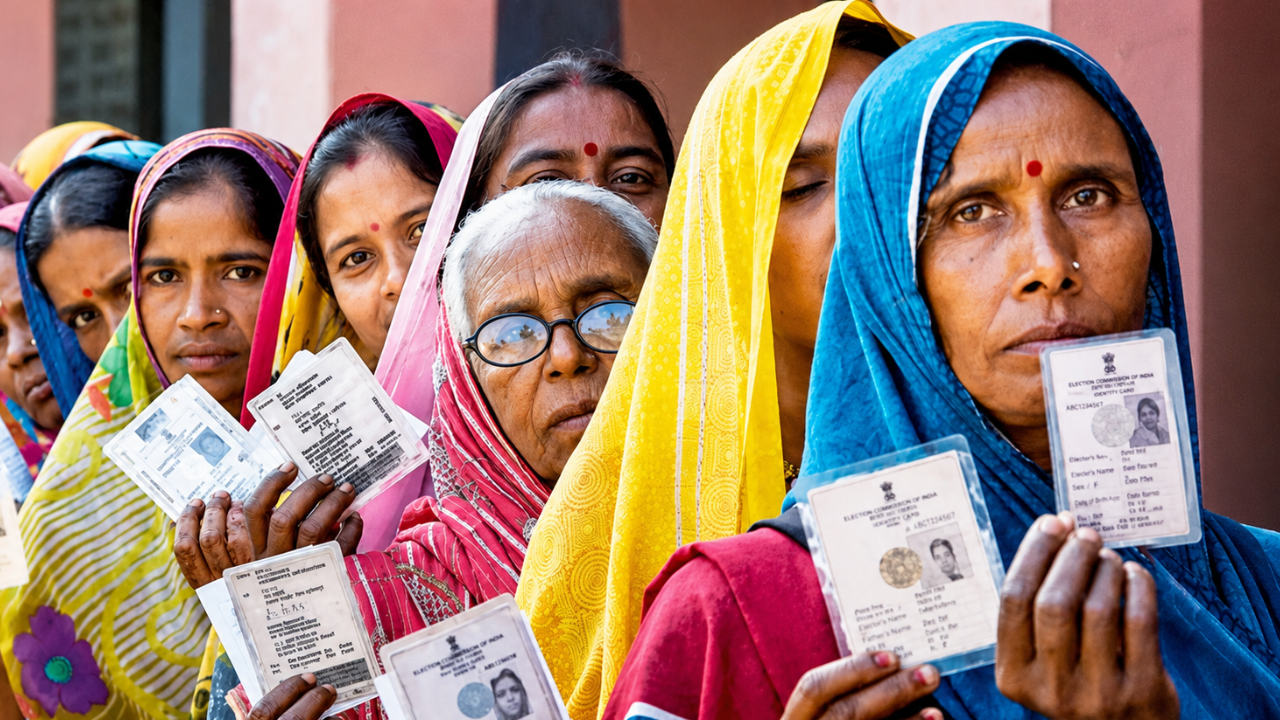
The political landscape in India's most populous state is undergoing a significant transformation as parties gear up for the upcoming legislative assembly elections. In Uttar Pradesh, female voters are emerging as the defining force of the electorate, prompting major political organizations to overhaul their outreach strategies. With more than six crore women registered to vote across the state, securing their support has become the primary objective for political strategists aiming to form the next government.
Recent electoral trends indicate a profound shift in voting patterns, particularly regarding voter turnout. In successive rounds of polling, the participation rate of women has steadily climbed, frequently outpacing the turnout among male voters. This growing engagement at the polling booths has dismantled traditional political assumptions and forced parties to design targeted campaigns that address the specific concerns of female citizens.
Recognizing this powerful demographic shift, both the ruling administration and opposition factions are rolling out extensive welfare initiatives. The political discourse is now heavily focused on financial assistance programs, direct benefit transfers, and subsidized domestic resources intended to alleviate economic pressures on households. Leaders across the political spectrum are dedicating substantial portions of their campaign rallies to discussing women-centric policies, safety measures, and financial empowerment schemes.
The governing party is leveraging its existing governance programs, which include subsidized cooking gas cylinders and housing initiatives registered directly in the names of female beneficiaries. These welfare measures are presented as tangible evidence of commitment to women's welfare and financial independence. Meanwhile, the main opposition coalition is countering with promises of enhanced monetary allowances, improved job creation, and strengthened legal protections for women across both urban and rural districts.
Political analysts note that the competition for the female vote is unprecedented in its intensity. Because women do not vote as a monolithic bloc based solely on caste or community lines, they represent a flexible and highly influential segment that can swing electoral outcomes in closely contested constituencies. As the campaign trail heats up ahead of the 2027 vote, the ability of political parties to address issues of livelihood, security, and financial inclusion will ultimately determine which platform succeeds in capturing the confidence of the state's female electorate.
Reporting based on coverage first published by The Times of India. Read the original report at The Times of India.