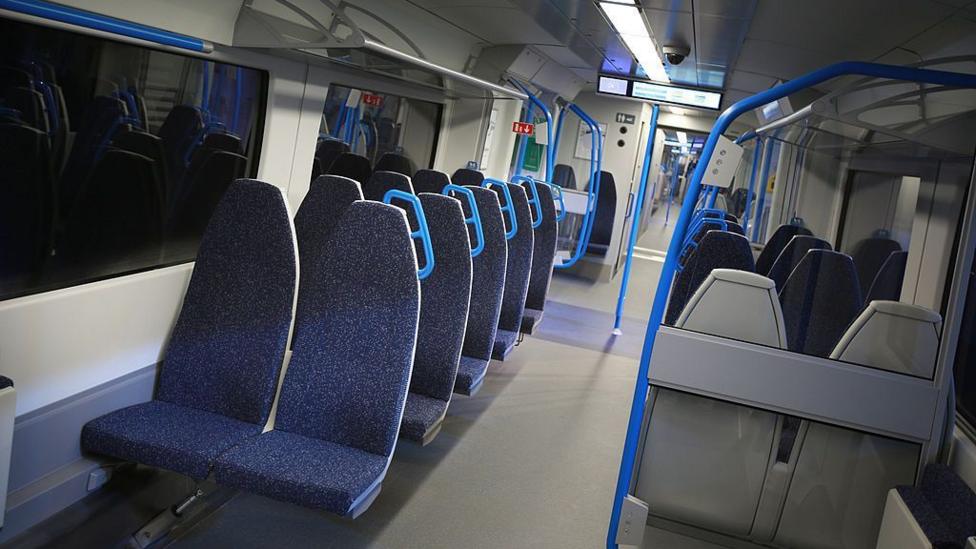
Commuter rail services in the Southeast are preparing for a major cabin makeover following an announcement by Govia Thameslink Railway. The operator confirmed that dozens of trains will receive completely redesigned seating to improve passenger comfort on one of the busiest rail networks in the country.
The upcoming overhaul will target more than 60,000 seats across a fleet of 115 trains operating on the Thameslink network. Passengers will see new cushions and backrests installed to replace the firm, minimalist fixtures that earned the nickname "ironing boards" from unhappy travelers.
Work on the fleet is scheduled to commence in 2027 and will be carried out over a two-year timeframe. In addition to standard class improvements, first-class accommodations will also receive upgraded cushioning. Furthermore, seventy trains in the fleet that currently lack seat-back tables will be fitted with them to enhance the onboard experience for working commuters and long-distance riders.
The project forms part of a broader package of enhancements introduced following the transition of the operator into public ownership earlier this year. Additional initiatives involve ramping up the frequency of Gatwick Express services starting in December, alongside fleet-wide deep cleaning to eliminate graffiti and modernize onboard restrooms.
Transport Secretary Heidi Alexander welcomed the investment, noting that the removal of the unpopular seating will deliver a much more pleasant travel environment for daily commuters. The government is pursuing these changes as a precursor to wider structural reforms intended to unify and manage passenger rail networks under the upcoming Great British Railways body.
Chief Executive John Whitehurst emphasized that the decision to overhaul the cabins was driven directly by customer feedback. Passenger surveys consistently highlighted seating comfort as a primary concern for travelers relying on the network, which connects communities across London, Sussex, Surrey, and parts of Kent.
Reporting based on coverage first published by BBC News. Read the original report at BBC News.


