Two individuals who had not received the measles immunization have passed away from the virus in Pennsylvania, according to local health authorities. Public health officials have chosen to withhold further details regarding the identities of the deceased.
Pennsylvania has recorded 393 infections of the easily transmissible illness during the current year. Nationwide figures show that American measles cases have reached their peak level in thirty-five years, amid a broader downward trend in immunization rates.
Data from Lancaster County, the site of the recent fatalities, indicates that eighty-five percent of children entering kindergarten have received the measles immunization. This percentage falls significantly short of the ninety-five percent threshold required to maintain herd immunity, a critical defense for shielding vulnerable and immunocompromised residents from transmission.
Pennsylvania Secretary of Health Debra Bogen expressed condolences to the families affected by the tragedy in a public statement. She noted that because the virus had been virtually absent from the state for more than thirty years, many residents lack awareness regarding the potential severity of the condition.
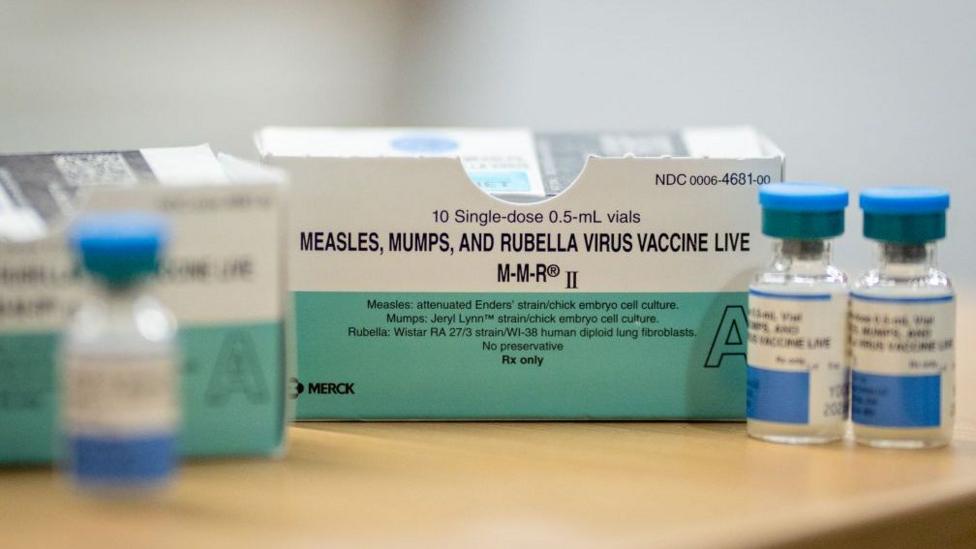
The standard two-dose regimen of the measles, mumps, and rubella vaccine remains the most effective defense against severe illness and death, according to health officials. Federal guidelines advise that children receive two doses between the ages of one and six, which provides ninety-seven percent protection against the disease.
Across the United States, confirmed infections have totaled 2,777 in the first seven months of the year, surpassing the 2,289 cases registered throughout the previous year. This upward trajectory coincides with growing vaccine hesitancy and dropping inoculation coverage nationwide.
Earlier in the month, President Donald Trump executed an order advocating for a reduced number of childhood immunizations and suggesting that the combined MMR shot be administered as three separate inoculations. Medical professionals have expressed concern that the directive could generate public confusion regarding a well-established and secure vaccine while introducing unnecessary logistical challenges.
The executive directive followed multiple policy shifts implemented by Health Secretary Robert F Kennedy Jr over the preceding year, aimed at restructuring federal immunization guidelines. Although a federal judge blocked many of those adjustments earlier in the year, Kennedy, known for vaccine skepticism, has frequently offered contradictory statements regarding the safety of the MMR immunization.
Panel experts are scheduled to evaluate the national measles status in November, with expectations that the United States may forfeit its official status of having eliminated the virus. Neighboring Canada lost its elimination status the previous year.
Reporting based on coverage first published by BBC News. Read the original report at BBC News.


