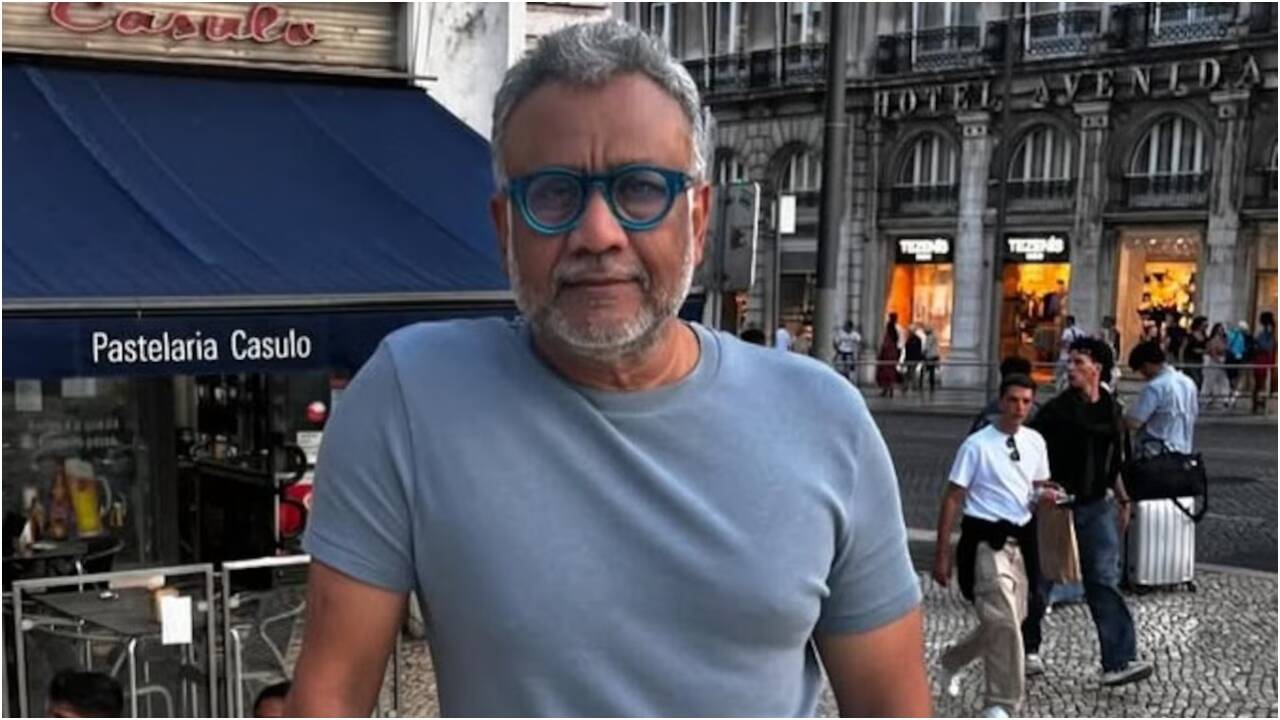
Acclaimed filmmaker Anubhav Sinha is expanding his creative footprint into the music industry with the introduction of a new independent record label named Benaras Beat. The venture marks a significant shift for the director, who is widely known for helming socially resonant and commercially successful cinematic features in the Indian film fraternity.
According to reports, the foundational concept for the label required nearly eight years of planning before finally coming to fruition. The director revealed that music has remained a lifelong passion throughout his career in cinema, serving as an enduring interest that ultimately inspired the creation of a dedicated platform for audio artists.
The initiative gained momentum roughly a year ago when a specialized team assembled to bring the vision into reality. This collaborative effort has laid the groundwork for upcoming audio releases, which are currently in development and expected to debut in the near future. While the leadership remains tight-lipped regarding the specific composers and artists involved in the inaugural lineup, announcements regarding upcoming tracks are anticipated soon.
The establishment of Benaras Beat adds to a growing trend of prominent filmmakers branching out into music production and independent audio distribution. By creating a dedicated label, filmmakers often aim to foster fresh talent and experiment with sonic landscapes outside the traditional constraints of mainstream film soundtracks.
Industry observers note that independent music labels have experienced a surge in popularity, driven by digital streaming platforms that offer direct access to global audiences. Sinha's entry into this space is expected to draw considerable attention from fans of his cinematic work, as well as enthusiasts of independent contemporary music. Further details regarding the label's first official releases and artist partnerships will likely be revealed as production milestones are reached.
Reporting based on coverage first published by The Times of India. Read the original report at The Times of India.