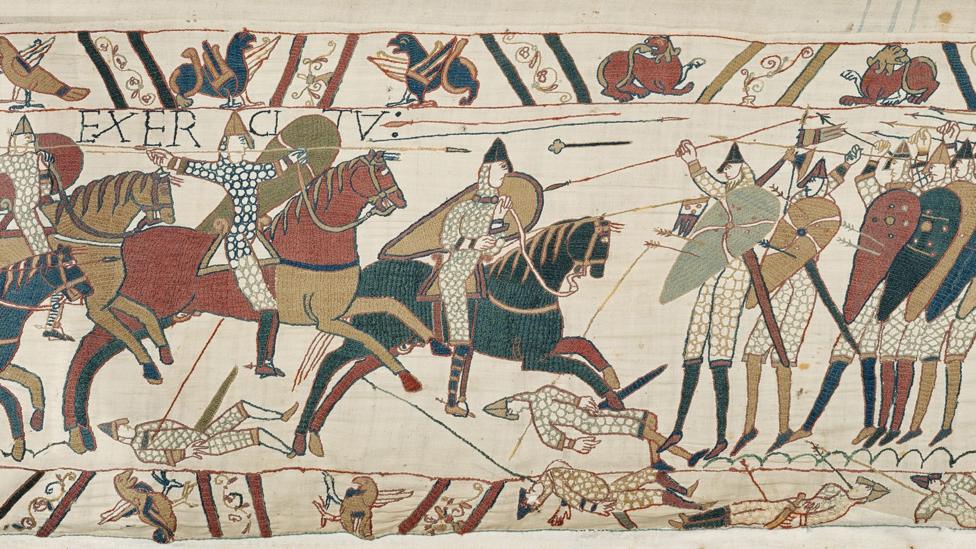
LONDON – The British Museum has announced plans to introduce an audio-described tour for visitors with visual impairments following concerns raised about accessibility for the historic Bayeux Tapestry exhibition. The historic 70-meter embroidery, which illustrates the lead-up to the Norman Conquest of 1066, is visiting the central London institution on loan from France until July 2027.
The change in approach follows a legal challenge from Dr Yusuf Ali Osman, a resident of Croydon who has no sight in either eye. Represented by the law firm Leigh Day, Osman contacted museum officials to inquire about accommodations for blind and partially sighted patrons. Representatives for the museum initially indicated that self-guided visits would take precedence over guided tours, pointing to strict lighting restrictions designed to preserve the fragile artifact.
Those limitations on light exposure govern the total number of hours the historic textile can be illuminated, which in turn caps overall visitor capacity. Legal representatives for Osman argued that the initial lack of specialized tours violated the Equality Act by failing to provide equitable access for disabled individuals. The legal action sought damages, a declaration of discrimination, a policy revision, and mandatory disability awareness training for relevant staff members.
In response to the challenge, museum officials confirmed that in-person audio-described tours will take place throughout the duration of the exhibition. Furthermore, administrators are investigating the possibility of incorporating a dedicated audio-described option into the official mobile application guide for the exhibition.
Current accessibility provisions already implemented by the museum include a specialized sensory map designed to assist visitors in preparing for their trip. Representatives for the institution emphasized a strong commitment to maximizing inclusion for all guests through ongoing collaboration with specialized access consultants. Legal advocates for Osman stressed that disabled individuals deserve the exact same opportunities as sighted members of the public to fully engage with major cultural displays.
Reporting based on coverage first published by BBC News. Read the original report at BBC News.