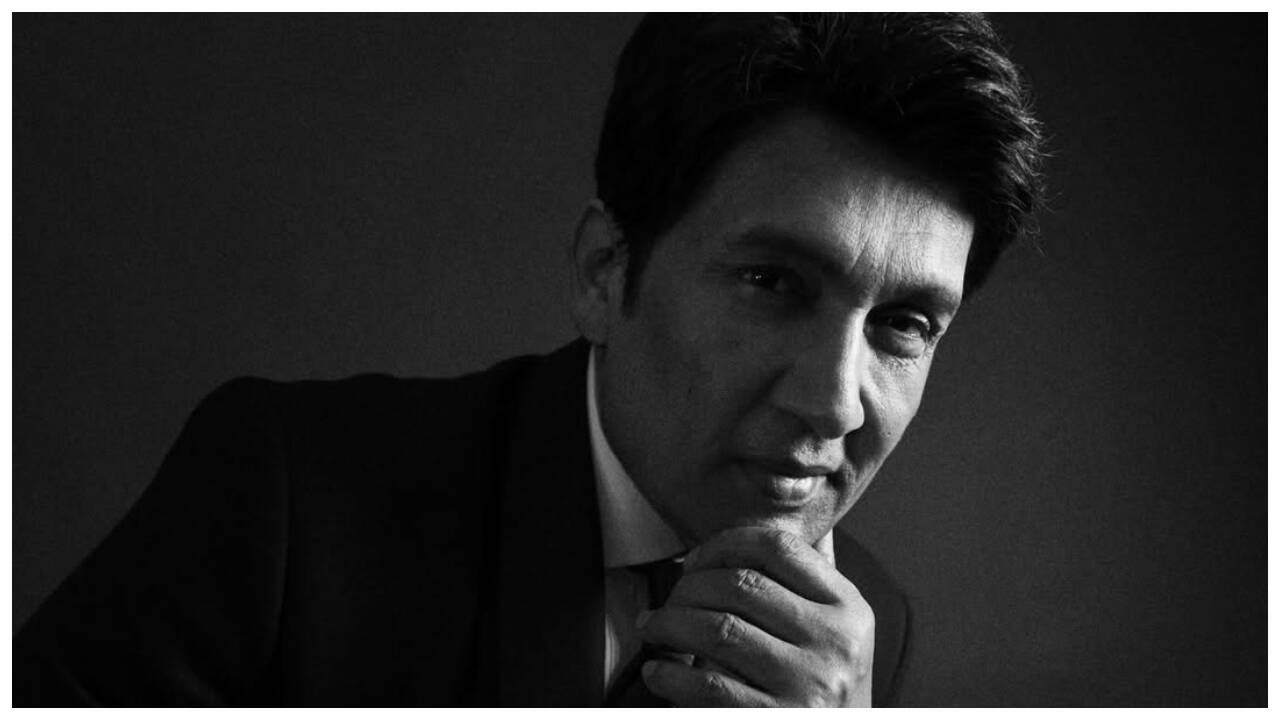
Actor and public personality Shekhar Suman recently weighed in on the ongoing protests surrounding the Chief Justice of India, offering a perspective that highlights the fundamental importance of civil disobedience and organized dissent. During a media interaction, the well-known entertainer addressed the political tensions and public demonstrations currently making headlines. Suman emphasized that expressing collective grievances through peaceful assembly remains a cornerstone of a healthy and functioning democratic society.
Drawing upon historical precedent, Suman referenced the enduring philosophy of Mahatma Gandhi to illustrate his point. He noted that mass movements and nonviolent opposition have long served as vital tools for citizens seeking accountability from institutional leaders. According to the actor, when large segments of the population feel their concerns are being ignored or when the credibility of major offices faces severe scrutiny from political opponents, voicing opposition through peaceful means is entirely justified.
Suman asserted that demonstrations of this nature should be viewed as legitimate political actions rather than disruptions to public order, provided they remain orderly and nonviolent. His remarks come at a time when debates regarding judicial independence and institutional integrity are drawing intense scrutiny from various political factions and the general public. As discussions continue to unfold across the country, public figures with large platforms are increasingly asked to comment on the shifting political climate and the rights of citizens to make their voices heard.
Public demonstrations and protests have historically played a major role in shaping public policy and institutional accountability within the nation. Figures from the entertainment industry frequently find themselves navigating these complex cultural and political waters, using their reach to influence public discourse. Suman's latest commentary adds to a broader national conversation about the boundaries of political expression and the mechanisms available to citizens when trust in leadership is tested.
Reporting based on coverage first published by The Times of India. Read the original report at The Times of India.