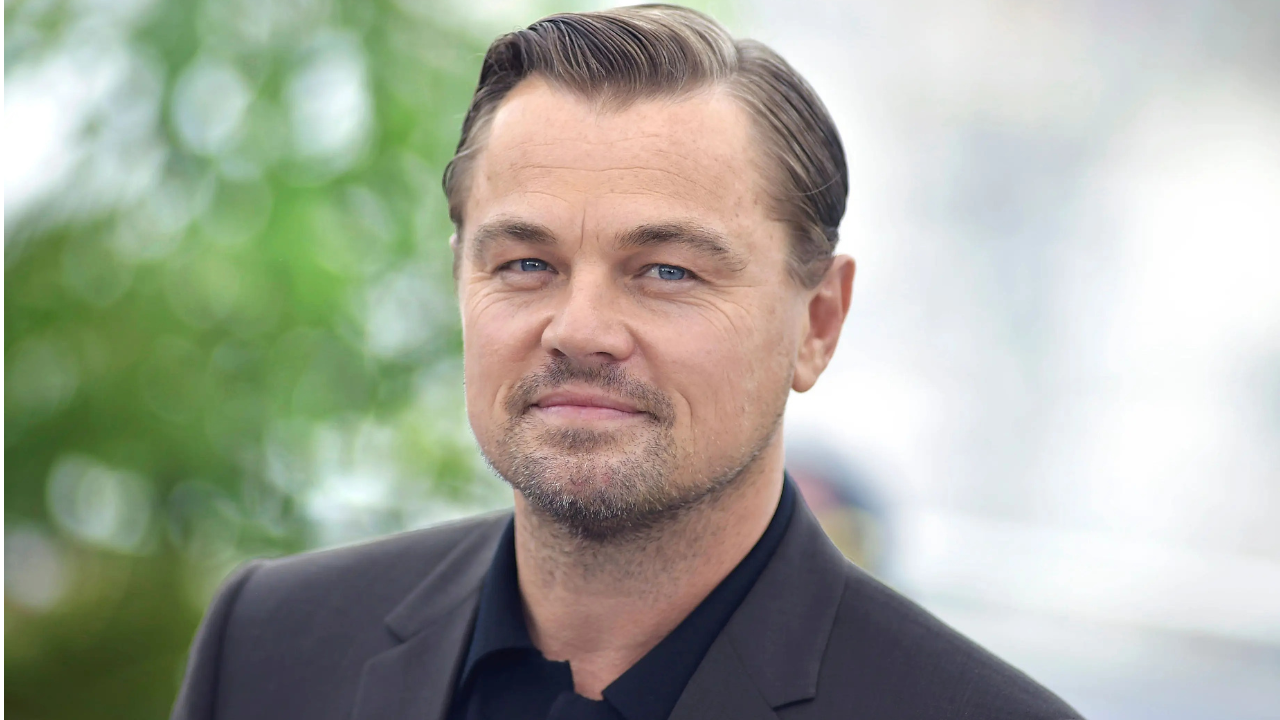
Academy Award-winning actor Leonardo DiCaprio has recently shared his perspective on the fleeting nature of celebrity and the value of professional dedication in the film industry. In recent remarks, the veteran performer emphasized that roles and opportunities should be cherished rather than taken for granted. His comments shed light on an enduring career that has spanned more than three decades, transitioning from minor television appearances to leading roles in some of the most successful motion pictures in cinematic history.
DiCaprio began his acting journey in his youth, securing parts in television commercials and various episodic series. These early steps provided the foundation for a career that eventually moved toward major motion pictures in the early 1990s. Critical acclaim followed quickly, notably with his compelling portrayal in the 1993 drama What's Eating Gilbert Grape, which earned him his first Academy Award nomination at a young age and established him as a serious dramatic talent.
A major turning point arrived in 1997 when he starred alongside Kate Winslet in James Cameron's historical romance Titanic. The film achieved unprecedented global box office success and propelled DiCaprio to an intense level of international stardom. Rather than allowing himself to be typecast as a romantic lead, he leveraged his newfound prominence to collaborate with acclaimed auteurs and pursue complex, morally ambiguous characters.
Over the subsequent decades, DiCaprio cultivated partnerships with prominent directors such as Martin Scorsese and Christopher Nolan. These collaborations yielded a string of celebrated films, including The Departed, Inception, The Wolf of Wall Street, and Once Upon a Time in Hollywood. His dedication to demanding physical and psychological roles eventually culminated in a Best Actor Oscar win for his performance in the 2015 survival drama The Revenant.
In reflecting on the entertainment landscape, the actor has often noted that public adoration is temporary and that true longevity depends entirely on the quality of the work. By treating each project as a distinct privilege, he continues to navigate a high-profile career without losing focus on the art of filmmaking. Industry observers point to this grounded philosophy as a primary reason for his sustained relevance in a rapidly shifting media environment.
Reporting based on coverage first published by The Times of India. Read the original report at The Times of India.