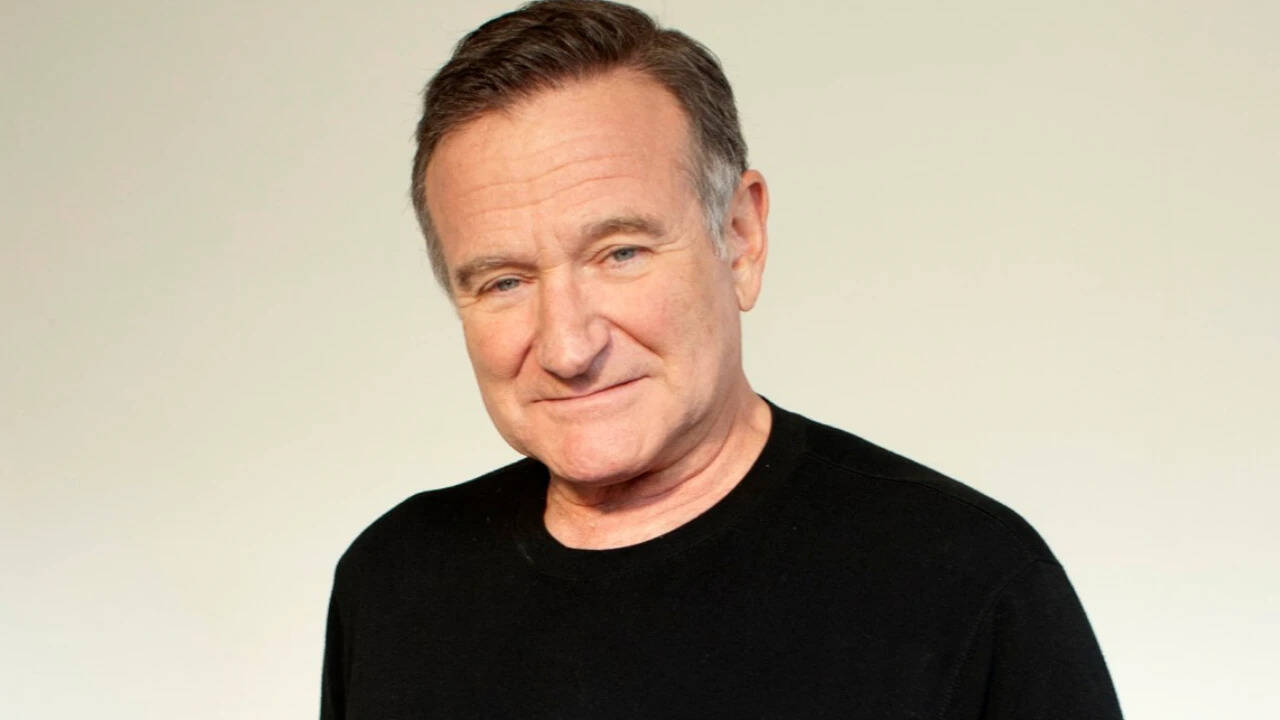
Zelda Williams has spoken out forcefully against the growing trend of utilizing artificial intelligence to generate unauthorized video content depicting her late father, legendary actor and comedian Robin Williams. In recent statements, she expressed deep disapproval of algorithms and digital tools being used to replicate his appearance and voice.
The filmmaker and advocate pointed out that her father held strong principles regarding his craft and the integrity of performance. She indicated that he would have firmly rejected any technology that digitally alters or mimics his likeness without his consent.
The commentary highlights broader ethical concerns surrounding the posthumous manipulation of artists and performers through emerging technologies. As digital generation tools become more sophisticated, families and estates are increasingly grappling with how to protect the legacies and privacy of deceased loved ones.
Robin Williams passed away in August 2014, leaving behind a monumental cinematic and comedic legacy that continues to touch millions of fans worldwide. Throughout his celebrated career, he won an Academy Award and multiple Golden Globes, known just as much for his immense warmth and generosity as his lightning-fast wit.
In her remarks, Zelda Williams appealed to the public and content creators to respect the boundaries of those who are no longer here to speak for themselves. She encouraged people to cherish the authentic performances and genuine recordings he left behind rather than relying on synthetic imitations.
The issue has ignited wider discussions within the entertainment industry regarding digital rights and posthumous consent. As studios and technologists navigate this uncharted territory, the concerns raised by families highlight the ongoing struggle to balance technological capability with ethical responsibility.
Reporting based on coverage first published by The Times of India. Read the original report at The Times of India.