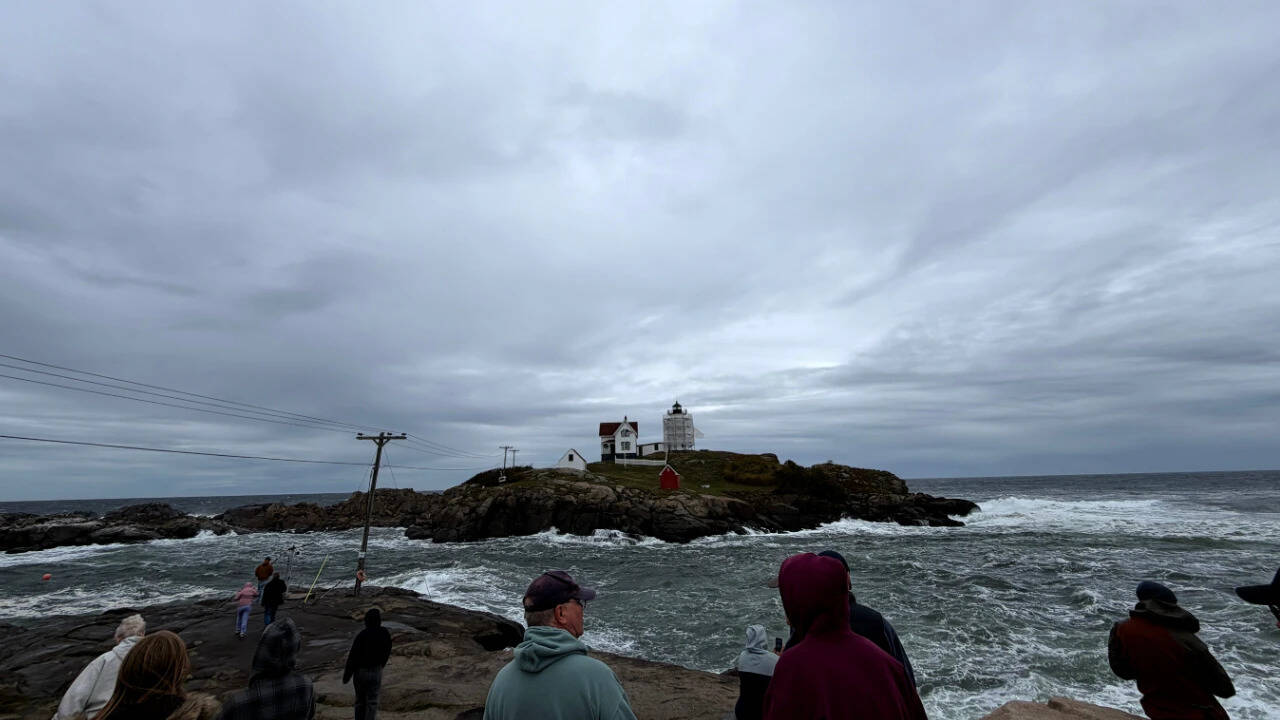
A potent nor-easter system has swept across the eastern seaboard of the United States, bringing severe disruptions to travel networks and leaving a massive footprint of property damage and utility outages.
The powerful late-September storm delivered heavy rainfall, coastal flooding, and fierce wind gusts to several heavily populated metropolitan areas. Transportation hubs felt the immediate impact as airlines grounded hundreds of departures and arrivals. According to preliminary figures from aviation tracking sources, approximately 400 flights have been cancelled so far, stranding travelers at major regional airports and triggering cascading delays throughout the national air traffic network.
Utility companies across the affected states report widespread infrastructure damage, primarily caused by falling tree branches and heavy winds downing power lines. As of late September, over 100,000 homes and businesses are currently experiencing blackouts. Crews from local electric providers have been deployed in large numbers, though repair efforts are frequently hampered by ongoing hazardous weather conditions and blocked roadways.
Nor-easters are intense low-pressure systems that typically form along the East Coast of North America during the autumn and winter months. These storms derive their name from the strong northeast winds that blow onshore from the Atlantic Ocean, frequently bringing torrential precipitation, storm surges, and blizzard-like conditions. While autumn nor-easters rarely produce the heavy snowfalls associated with winter events, their high winds and sustained rainfall can cause significant disruptions comparable to tropical weather systems.
Local emergency management agencies have issued safety warnings urging residents to exercise caution during the severe weather event. Motorists are advised to avoid flooded roadways and stay clear of downed utility wires, while homeowners have been encouraged to secure outdoor furniture and property items vulnerable to high winds. Authorities note that full restoration of electricity and normal travel schedules could take multiple days, depending on the severity of the damage in the hardest-hit localities.
Reporting based on coverage first published by The Times of India. Read the original report at The Times of India.