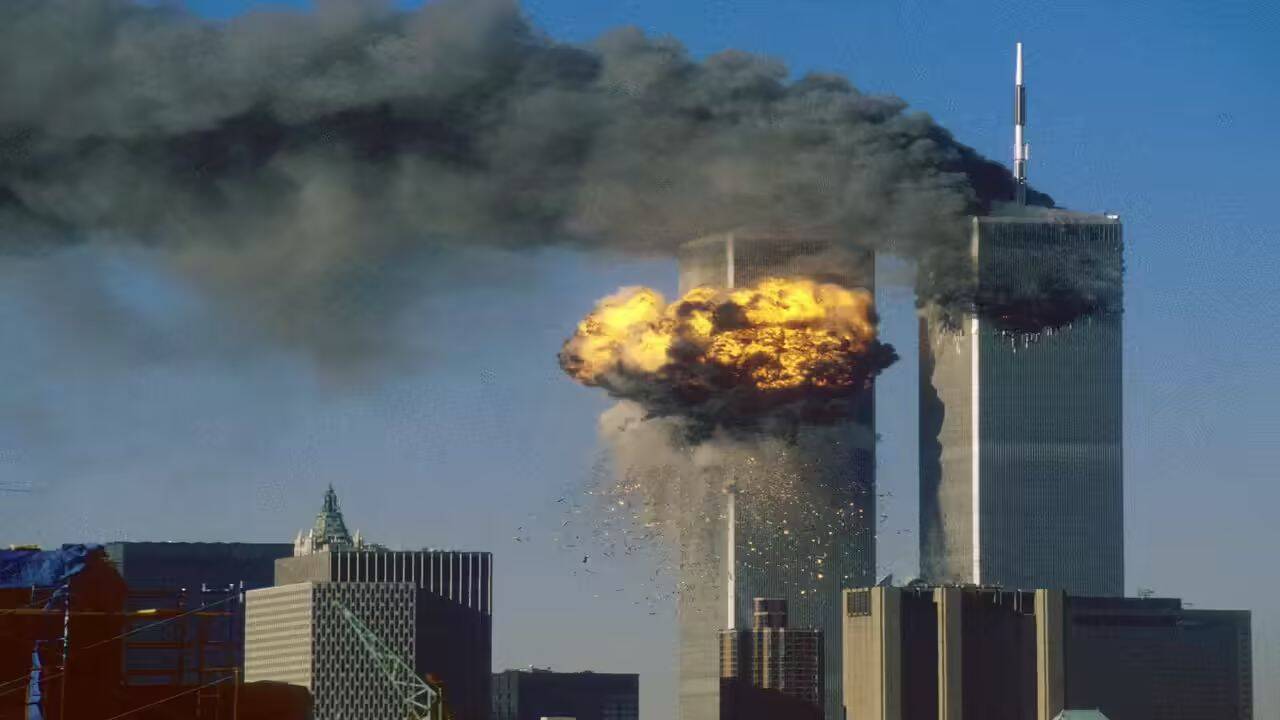
Newly revealed archival video has brought renewed attention to the lingering questions surrounding the September 11 terrorist attacks. The footage features Omar al-Bayoumi participating in a paintball game alongside Anwar al-Awlaki, an American-born cleric who later became a prominent senior figure within al-Qaida.
The digital material emerged as part of ongoing investigations and evidence reviews conducted following the 2001 tragedies. According to analysts reviewing the files, the visual evidence appears to contradict statements previously provided by Bayoumi. In earlier testimony, he maintained that he had no personal encounters or meetings with Awlaki.
Alongside the video footage, investigators reportedly recovered a diagram among the compiled evidence. Officials suggest this graphic indicates a potential awareness on Bayoumi's part regarding the impending attacks. However, both Bayoumi and representatives of the Saudi government have consistently denied any prior knowledge of or involvement in the terrorist plot.
The fresh disclosures highlight enduring scrutiny over the investigative steps taken in the aftermath of the tragedy. Critics and independent researchers have frequently pointed to missed opportunities and uninvestigated links connecting individuals residing within the United States to foreign extremists during the months leading up to the hijacking events.
Despite the release of the footage and diagrams, definitive legal conclusions regarding the depth of these associations remain a subject of debate. Official representatives for Saudi Arabia have repeatedly rejected allegations of state complicity, maintaining that neither the government nor its citizens had any role in supporting the terrorist network.
The publication of these historical records adds to the vast body of documentation examined by researchers attempting to map out the logistical network utilized by the 9/11 hijackers. As archives continue to be reviewed and declassified, investigators and historians continue to re-examine the peripheral figures who crossed paths with the conspirators before the attacks took place.
Reporting based on coverage first published by The Times of India. Read the original report at The Times of India.