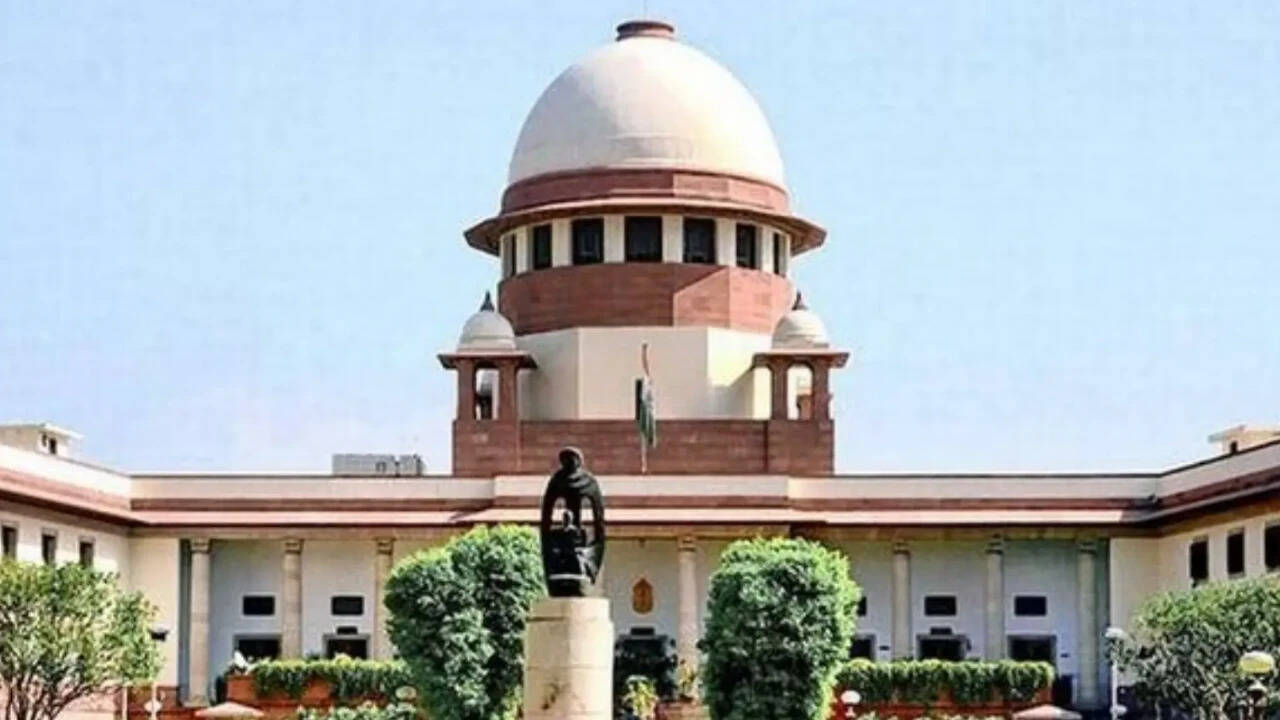
The legal framework governing the selection of India's election commissioners has been sent to a larger bench of the Supreme Court following a divided decision among the judiciary. The matter involves constitutional questions regarding the independence of the election oversight body and the proper balance of power in top-level governmental appointments.
A specialized panel of judges found themselves unable to reach a unanimous consensus on the validity of the current legislative enactment regulating these appointments. Because of this judicial split, the case will now be elevated for comprehensive review by a larger panel of justices to establish a definitive legal precedent.
The controversy centers on the composition of the selection committees tasked with choosing members of the Election Commission of India. Critics and petitioners have raised concerns about executive influence in the process, arguing that robust democratic safeguards require a more insulated and bipartisan approach. Government representatives, however, have defended the statutory framework enacted by Parliament as constitutional and aligned with democratic governance principles.
This legal challenge highlights ongoing debates over institutional autonomy in the country. The Supreme Court's eventual ruling is expected to have significant implications for how high-ranking officials are chosen and how independent regulatory bodies function moving forward.
Legal experts anticipate that the larger bench will examine both the literal interpretation of the relevant constitutional provisions and the broader democratic intent behind them. No specific timeline has been finalized for the commencement of the hearings before the expanded judicial panel, but the issue remains a prominent topic within the nation's legal community.
Reporting based on coverage first published by The Times of India. Read the original report at The Times of India.