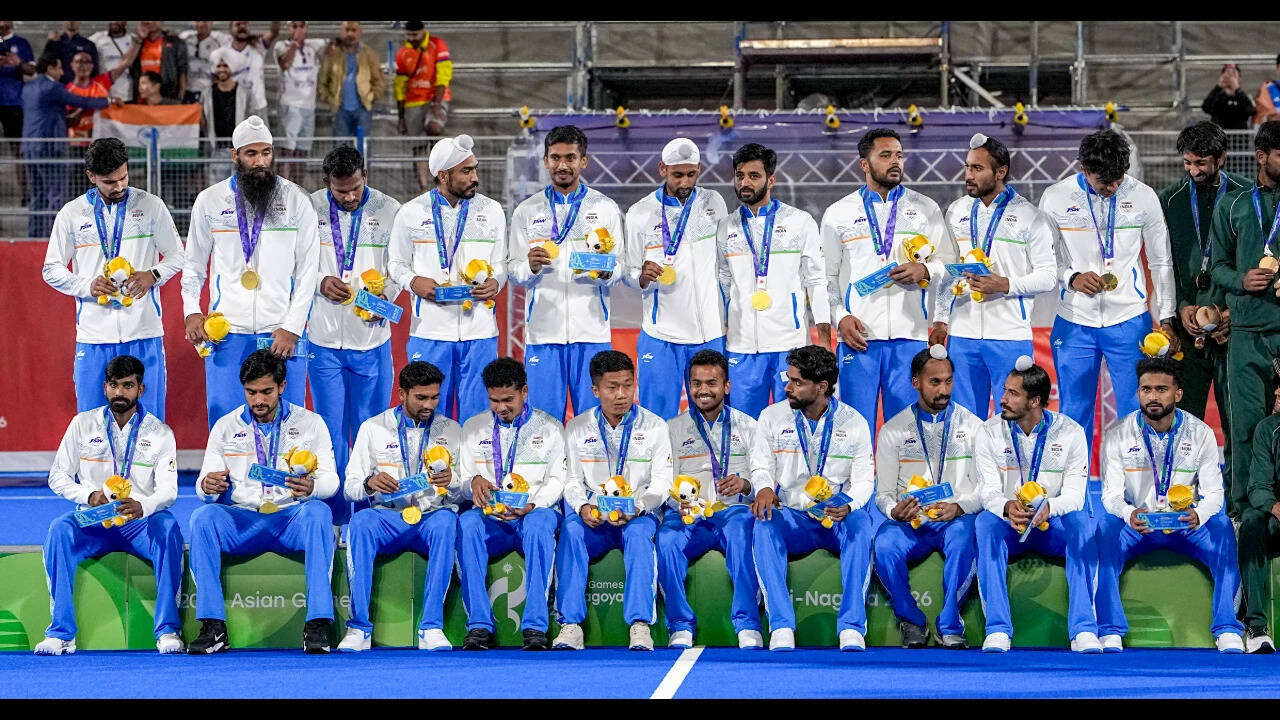
India concluded its campaign at the recent Asian Games in Aichi-Nagoya with a smaller overall medal count compared to the previous edition in Hangzhou, yet sporting analysts have pointed to a notable rise in overall efficiency. The nation secured 85 medals at the conclusion of the 2026 regional games, dropping from the historic total of 106 achieved three years prior. Despite the numerical decline, the national delegation was trimmed by roughly a quarter, resulting in a more streamlined squad that delivered a stronger return on investment per participating athlete.
A closer examination of the results indicates that the gold yield remained steady between the two competitions, meaning the reduction in total hardware came primarily from silver and bronze podium finishes. By sending a more selective group of competitors, sports administrators managed to maintain elite-level outputs in key disciplines while avoiding the broader fielding of athletes seen in Hangzhou. This shift toward a quality-focused selection model has sparked discussions among officials regarding how future delegations should be structured for major multi-sport events.
The performance trajectory in Aichi-Nagoya also highlighted a familiar pattern of late-stage momentum. The contingent relied heavily on events scheduled during the final two days of competition to secure a significant portion of its podium finishes. This dramatic late surge helped rescue the overall tally and ensured a respectable final standing on the medal table, though it also underscored vulnerabilities in maintaining consistent daily success throughout the multi-week tournament.
Sports observers noted that the leaner approach provides a clearer metric for assessing genuine international competitiveness. Rather than measuring success purely by cumulative counts, performance directors are increasingly evaluating success rates relative to squad size. As India looks ahead to upcoming international fixtures, the lessons from Aichi-Nagoya are expected to influence training investments and selection criteria, balancing the ambition for broad representation against the proven efficiency of focused, high-performance entries.
Reporting based on coverage first published by The Times of India. Read the original report at The Times of India.