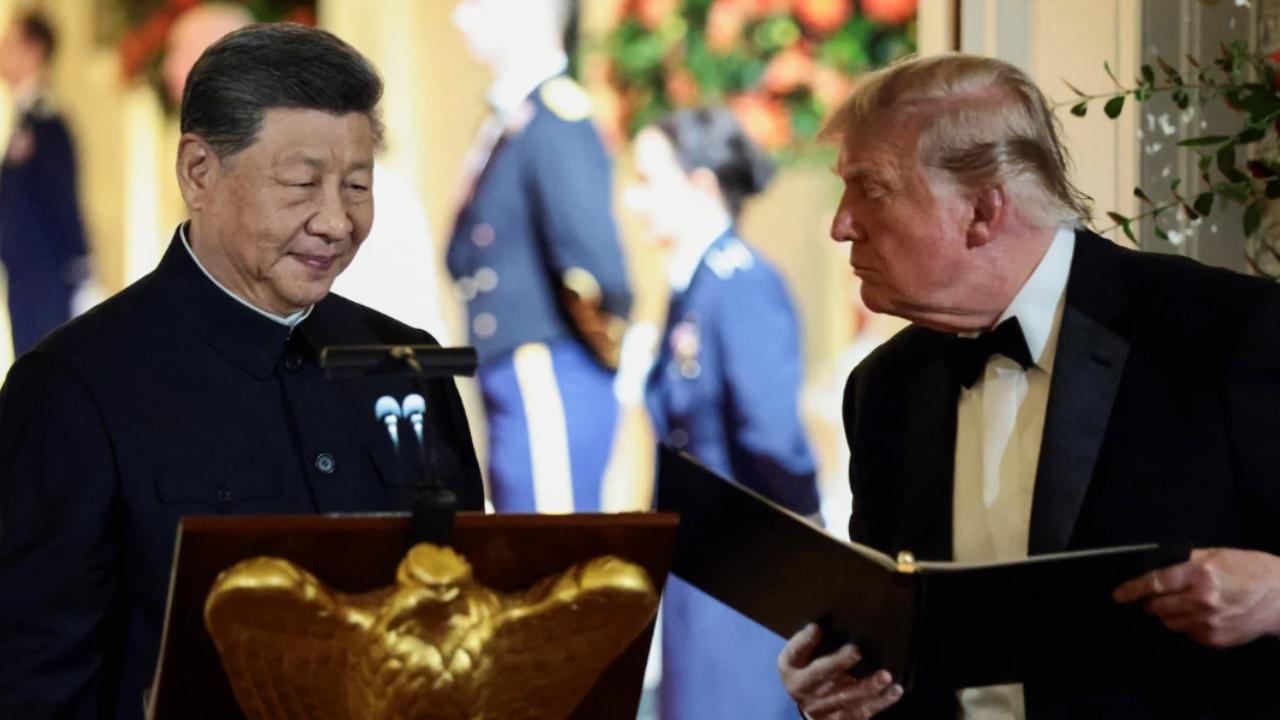
Chinese President Xi Jinping has frequently drawn upon an ancient historical paradigm during diplomatic engagements with American officials to frame the current trajectory of bilateral relations between Beijing and Washington. The concept, known to political scientists and historians as the Thucydides Trap, describes a perilous dynamic where an established global power feels threatened by the rapid rise of an emerging challenger. By invoking this historical framework, the Chinese leadership has consistently signaled an institutional preference for diplomatic engagement and peaceful coexistence over confrontation.
The terminology originates from the ancient Greek historian Thucydides, who analyzed the underlying causes of the Peloponnesian War between Athens and Sparta. In that classical analysis, the primary catalyst for open conflict was not necessarily malice or direct aggression, but rather the structural anxiety produced by a dramatic shift in relative power. Modern international relations experts have since applied this lens to numerous historical rivalries, noting that transitions of global dominance have frequently culminated in devastating military clashes.
Despite the pessimistic implications of this historical model, scholars and foreign policy analysts remain deeply divided regarding its applicability to the modern relationship between the United States and China. Some specialists argue that the profound economic interdependence, global supply chain integration, and destructive potential of modern nuclear arsenals create entirely unprecedented deterrents against direct warfare. From this perspective, major powers are fully capable of navigating structural shifts without resorting to armed conflict.
Conversely, skeptics point out that ongoing strategic competition in emerging technologies, maritime territorial disputes, and trade barriers continue to elevate geopolitical tensions to dangerous levels. These analysts suggest that miscalculations in critical regions, such as the South China Sea or the Taiwan Strait, could easily trigger a cascading crisis despite the expressed desires of national leaders. The debate underscores the delicate balance required as Washington and Beijing manage their competing interests on the world stage.
Throughout diplomatic dialogues, Beijing’s emphasis on mutual respect and win-win cooperation serves as a strategic counterweight to the pressures of systemic rivalry. By urging American policymakers to reject zero-sum thinking, Chinese officials aim to establish a framework that accommodates both nations' national interests. Whether this diplomatic approach can successfully overcome the historical forces identified in the Thucydides Trap remains one of the defining questions of contemporary geopolitics.
Reporting based on coverage first published by The Times of India. Read the original report at The Times of India.