Senior national security advisors and top military officials recently gathered at the presidential retreat in Maryland for high-level strategy sessions focused on escalating tensions in the Middle East. The closed-door meetings, led by President Donald Trump and his core foreign policy team, centered primarily on potential military responses involving Iran and a possible new offensive against Houthi forces in Yemen.
The strategic talks come amid a period of heightened friction across the region, driven by ongoing disruptions to international shipping and repeated clashes involving regional proxies. Administration officials reviewed a range of defense options designed to counter strategic threats and protect commercial maritime routes in vital waterways. The discussions highlighted a growing urgency within Washington to address security vulnerabilities linked to regional militant networks.
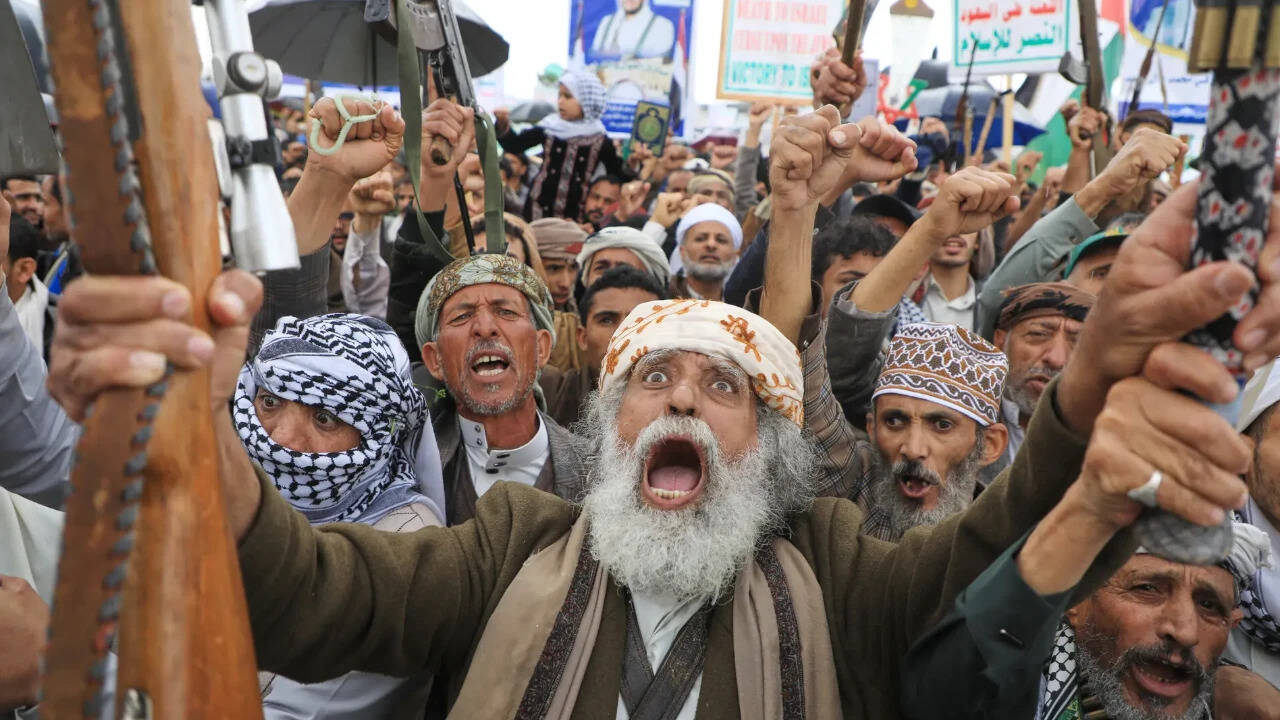
According to national security analysts, the inclusion of Yemen in the high-level agenda points toward a potential expansion of current operations against Houthi positions. For months, international shipping through the Red Sea and surrounding corridors has faced persistent security challenges due to persistent missile and drone activity. A targeted offensive could aim to degrade these offensive capabilities and restore stability to critical global trade lanes.
At the same time, the inclusion of broader regional scenarios involving Iran reflects the administration's comprehensive approach to deterrence. Officials evaluated intelligence assessments detailing the scope of regional proxy networks and the logistical support they receive. The objective of the Camp David summit was to align diplomatic strategies with robust military planning to ensure a coordinated response to any future provocations.
While the administration has not yet announced a definitive timetable for any new military actions, the gathering underscores a hardening stance in Washington regarding security in the Middle East. Lawmakers and international observers are monitoring the situation closely, weighing the potential implications of a broader military campaign on regional stability and global energy markets. Further policy announcements are expected as the White House finalizes its strategic posture in the coming weeks.
Reporting based on coverage first published by The Times of India. Read the original report at The Times of India.