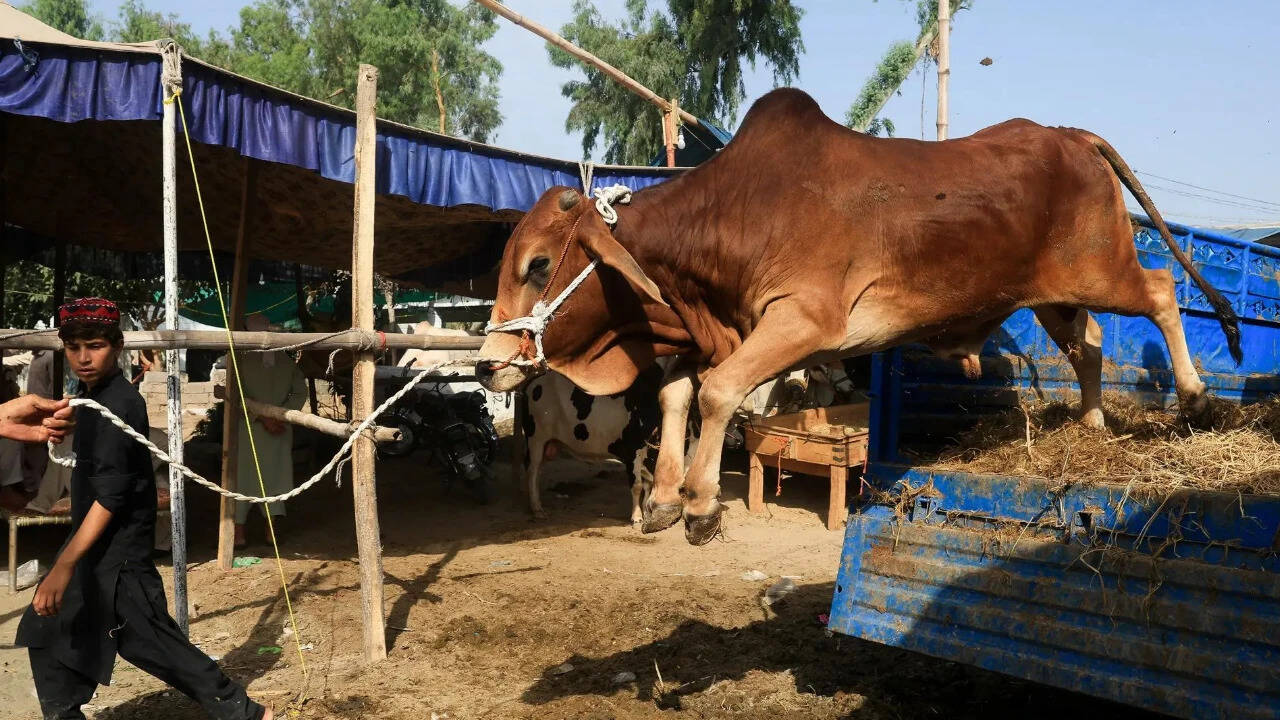
The Supreme Court of India has ruled that laws prohibiting cow slaughter cannot be applied in cases where individuals are simply accused of illegally transporting cattle, unless there is concrete evidence that the animals were being moved specifically for slaughter. The decision clarifies the legal boundaries surrounding animal transport and state-level slaughter prohibitions.
The ruling addresses a frequent point of contention in various Indian states where strict anti-cow slaughter regulations are enforced. While many jurisdictions penalize the unauthorized movement of bovine animals, the court emphasized that such violations must be prosecuted under the specific transport or cruelty statutes rather than more severe anti-slaughter provisions, absent clear proof of intent.
Legal experts note that transportation of livestock is regulated by multiple central and state guidelines aimed at ensuring animal welfare and preventing smuggling. However, enforcement actions have often conflated transit infractions with the actual act of slaughter. The apex court's clarification sets a distinct threshold for when anti-slaughter laws can be legally invoked by law enforcement agencies.
The case underscores the ongoing judicial review of how local authorities implement agricultural and animal protection laws. By drawing a clear line between transit offenses and slaughter, the Supreme Court aims to prevent the overreach of criminal charges in regional livestock cases.
Lower courts and law enforcement officials across the country will now be expected to adhere to this distinction when handling future arrests and prosecutions related to cattle movement. The judgment is expected to impact numerous pending legal matters where individuals faced charges under anti-slaughter statutes solely on the basis of transporting animals.
Reporting based on coverage first published by The Times of India. Read the original report at The Times of India.