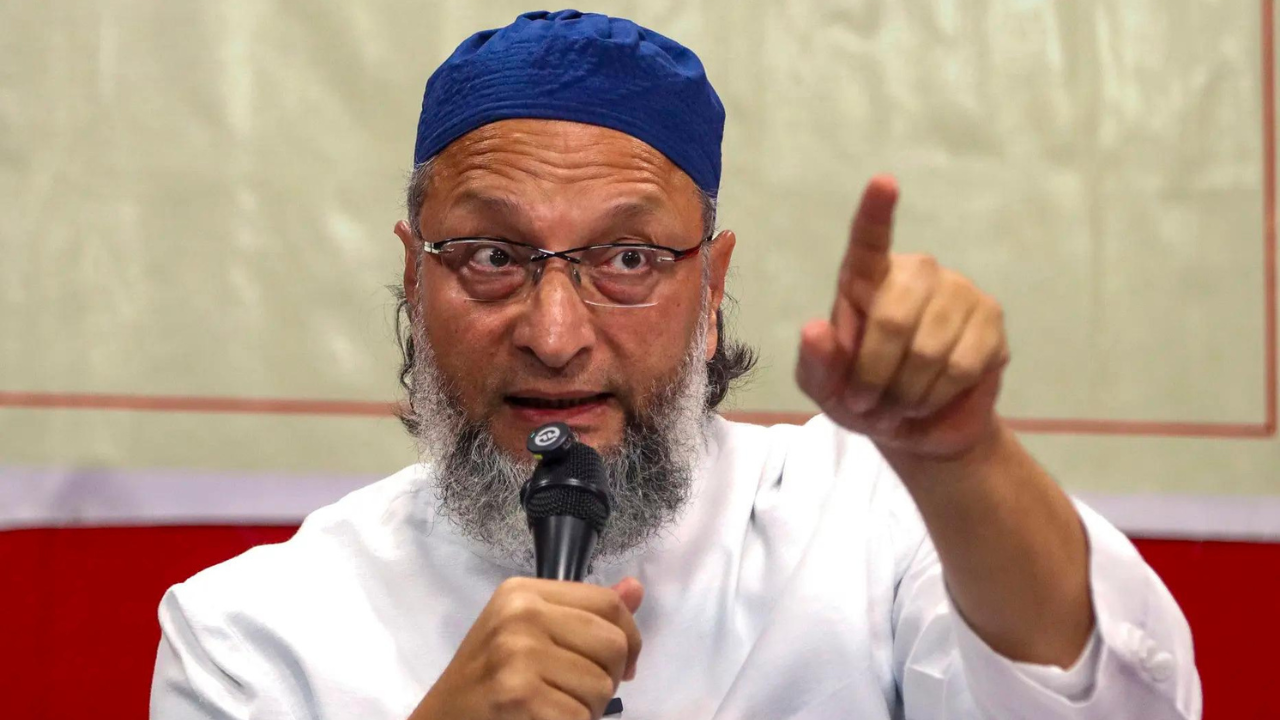
As political preparations begin to take shape ahead of upcoming electoral battles, All India Majlis-e-Ittehadul Muslimeen President Asaduddin Owaisi has indicated a willingness to forge partnerships in Uttar Pradesh. During a recent public statement, the prominent opposition leader acknowledged the formidable political presence of the ruling Bharatiya Janata Party in the country's most populous state. He asserted that defeating the incumbent administration is beyond the capacity of any single party operating in isolation.
Addressing reporters, the Hyderabad Lok Sabha MP emphasized that a united front is essential for any meaningful challenge to the current political dominance in Lucknow. Consequently, he stated that his organization is open to collaborating with various political factions and regional entities that share similar ideological objectives. This outreach signals a potential shift in strategy for the AIMIM, which has previously faced criticism from major opposition blocs regarding potential vote splitting in northern India.
Uttar Pradesh remains a crucial political landscape, boasting a massive electorate and a high concentration of parliamentary constituencies. The ruling BJP currently holds a commanding position in the state legislature and federal representation, anchored by strong grassroots mobilization and widespread organizational reach. Major regional players, including the Samajwadi Party and the Bahujan Samaj Party, alongside national formations like the Indian National Congress, continuously vie for influence in this high-stakes environment.
Critics of the AIMIM have often accused the party of acting as a spoiler in previous elections by dividing minority and secular votes, thereby inadvertently assisting the ruling party. By declaring an openness to coalitions, Owaisi appears to be countering this narrative and positioning his organization as a collaborative player rather than an independent disruptor. However, potential partners have yet to formally respond to the overture, and negotiations regarding seat-sharing or common manifestos remain speculative.
The political dynamics in Uttar Pradesh are expected to grow increasingly complex as various factions finalize their electoral blueprints. Observers note that while ideological alignments can be difficult to coordinate, the arithmetic of opposition unity often dictates the outcome of multi-cornered contests in the state. Whether mainstream opposition parties will choose to engage with the AIMIM remains a critical question for the unfolding electoral season.
Reporting based on coverage first published by The Times of India. Read the original report at The Times of India.