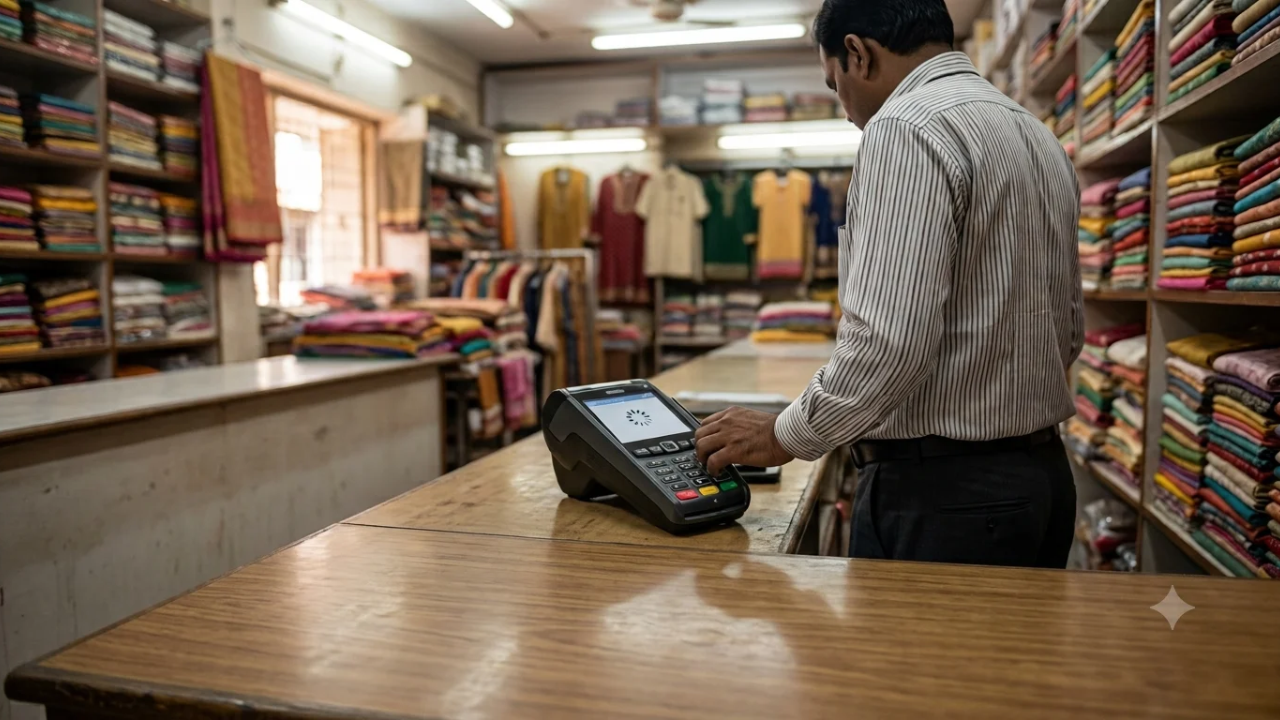
A cloth merchant in India has successfully secured financial compensation after a digital payment gateway failed to transfer crucial business funds for more than a year. The Warangal district consumer commission reviewed the case and ruled in favor of the trader, holding a major transaction processor accountable for a prolonged cash-flow obstruction.
The dispute centered on credit and debit card transactions totaling over nine lakh rupees that the merchant processed through electronic point-of-sale equipment. While customers completed their purchases successfully, the funds failed to reach the businessman's bank account. This systemic failure persisted for a total of 457 days, severely impacting the daily operations and financial stability of the small enterprise.
Following the prolonged stalemate, the businessman filed a formal complaint with the local consumer dispute resolution agency. The legal action named multiple entities involved in the transaction chain, seeking accountability for the withheld funds and the resulting business disruption.
During the proceedings, the consumer commission evaluated the roles of the various financial institutions and service providers connected to the merchant's account. Investigators determined that Worldline India, a prominent digital payment and terminal service provider, bore direct responsibility for the extended delay in routing the money. Consequently, the panel directed the firm to pay statutory interest on the withheld sum, alongside financial restitution for the mental distress caused to the proprietor.
At the same time, the commission reviewed the liabilities of other parties involved in the payment ecosystem, including the merchant's banking partner, Union Bank. The adjudicators ultimately dismissed the claims against those specific institutions, finding no evidence of direct negligence or liability on their part regarding the delayed remittance.
The ruling highlights the legal obligations of digital payment aggregators and transaction handlers in emerging markets. As small and medium-sized enterprises increasingly adopt electronic payment systems, regulatory bodies continue to emphasize the importance of timely settlement and robust customer grievance redressal mechanisms to protect business owners from prolonged financial disruptions.
Reporting based on coverage first published by The Times of India. Read the original report at The Times of India.