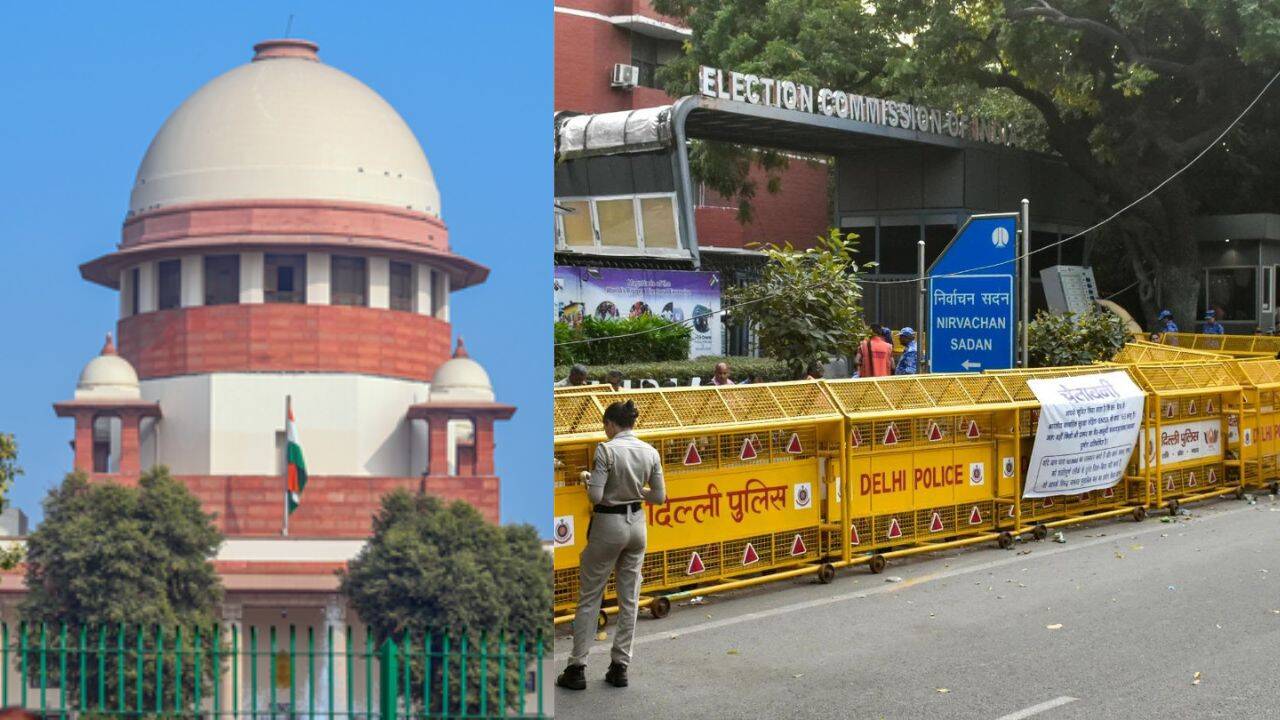
The Supreme Court of India has issued a critical set of directives regarding upcoming public demonstrations in the national capital. The judicial intervention comes ahead of a planned protest march organized by Citizens for Justice and Peace scheduled for October 10. Authorities and organizers have been navigating complex security protocols to balance the fundamental right to assemble with the necessity of maintaining public order and traffic flow in New Delhi.
The judicial directives establish clear boundaries for both demonstrators and law enforcement agencies. Legal observers note that the court aims to prevent large-scale disruptions while ensuring that citizens retain their democratic avenues for expression. Security forces have been instructed to manage crowds with restraint, utilizing established protocols to handle potential bottlenecks across major thoroughfares.
Traffic management forms a central component of the Supreme Court guidelines. The capital city frequently experiences severe congestion during major public gatherings, prompting the judiciary to mandate advance route planning and public advisories. Commuters have been advised to monitor transit updates closely as authorities implement localized diversions and restrictions around key government and institutional zones.
Organizers of the October 10 demonstration carry significant responsibilities under the new directives. They must ensure that participant numbers remain within approved limits and that the gathering stays confined to designated zones. Any deviation from the agreed-upon routes or schedules could result in legal liability for the organizers, according to the framework outlined by the bench.
Law enforcement agencies face strict accountability measures regarding crowd control techniques. The court emphasized the importance of non-violent crowd dispersal methods should tensions escalate during the demonstration. Officers on duty are expected to coordinate closely with municipal traffic departments to minimize inconvenience to the general public.
Public safety infrastructure around the protest venue will see a substantial upgrade. Medical tents, emergency vehicle access corridors, and drinking water facilities are mandated components of the event planning. Authorities are coordinating with local hospitals to ensure that emergency services remain uninterrupted despite potential road closures in the surrounding districts.
The Supreme Court bench stressed that fundamental freedoms must be exercised with due regard for the rights of fellow citizens. Commercial establishments operating near the protest route have received guidance on security precautions. Business associations have expressed cautious optimism that the structured guidelines will prevent property damage and economic disruption.
Civil society groups and political analysts are closely monitoring the implementation of these directives. The event serves as a significant test case for managing large public demonstrations in metropolitan areas without resorting to blanket bans. Observers point out that striking the right balance between security and liberty remains a delicate task for the judicial and executive branches.
Commuters and residents in New Delhi are encouraged to plan their travel well in advance of the scheduled date. Public transport networks are expected to operate on adjusted schedules to accommodate security checkpoints and pedestrian movement. Authorities reiterate that cooperation from the general public is essential for a smooth execution of the court-mandated protocols.
As the date of the demonstration approaches, all involved parties are expected to adhere strictly to the judicial framework. The Supreme Court maintains that compliance with these ten foundational principles will preserve the peace while upholding democratic values. Further updates from law enforcement agencies are anticipated as final preparations conclude across the capital.
Reporting based on coverage first published by The Times of India. Read the original report at The Times of India.