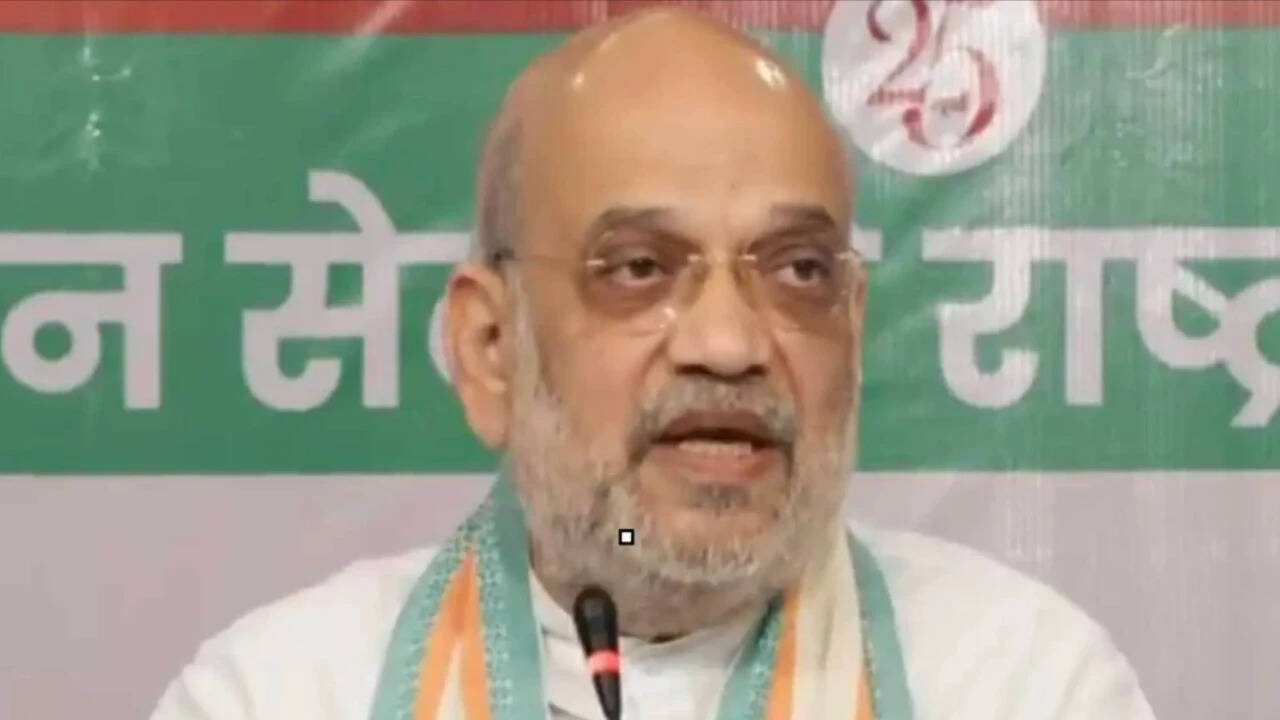
NEW DELHI - Union Home Minister Amit Shah praised the administration of Prime Minister Narendra Modi, declaring that a dozen years of leadership have successfully dismantled traditional political ailments. Speaking at a public event, the senior official asserted that the country has moved past an era defined by corruption, nepotism, and social division based on caste.
According to the Home Minister, the past twelve years have fundamentally transformed governance standards across the nation. He emphasized that transparency and accountability have replaced opaque administrative practices that previously hindered development. The remarks highlighted a shift toward merit-based progression and inclusive policy implementation.
Addressing the gathered audience, the minister focused heavily on the eradication of dynastic rule, which he described as a major barrier to democratic participation. He argued that modern political structures now offer genuine opportunities to citizens outside of established political families. This evolution, he noted, has strengthened public trust in foundational democratic institutions.
The evaluation of the administration also touched upon social cohesion, with the senior leader maintaining that divisive identity politics has given way to unified national progress. By prioritizing welfare programs that reach marginalized communities without bias, the government has helped bridge historical divides. The narrative underscored a commitment to collective advancement rather than targeted patronage.
Supporters within the ruling party frequently point to these themes as central achievements of the current administration. The twelve-year milestone serves as a frequent benchmark for officials highlighting policy delivery, infrastructural expansion, and digital integration. Observers note that such assessments are likely to form a core component of upcoming political discourse as the leadership looks toward future electoral challenges.
While administration officials celebrate these milestones, critics often offer contrasting viewpoints regarding the state of democratic institutions and economic equity. Opposition parties frequently raise concerns about central investigative agencies, regional autonomy, and employment rates. Nonetheless, the recent address underscored the government's determination to frame its legacy around structural reform and the elimination of entrenched political practices.
Reporting based on coverage first published by The Times of India. Read the original report at The Times of India.