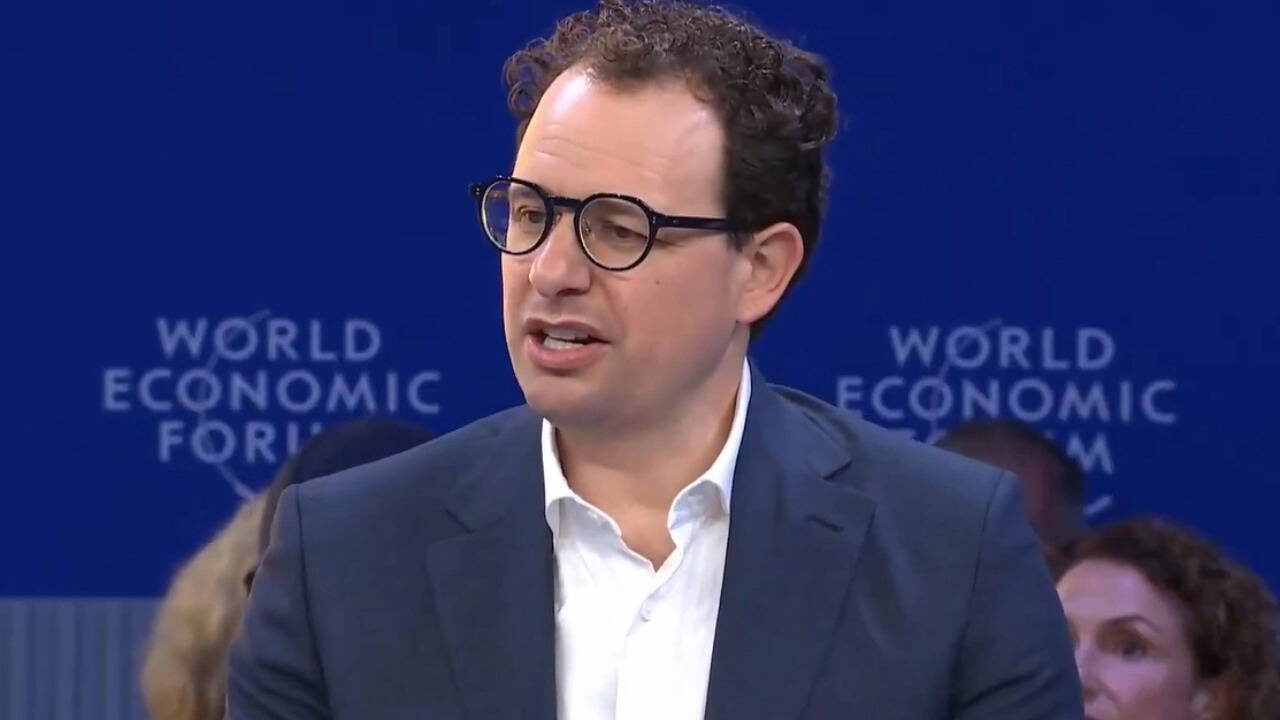
The discussion surrounding the potential risks of advanced artificial intelligence has gained fresh perspective following remarks from industry leadership. Dario Amodei, the chief executive officer of AI firm Anthropic, recently addressed a widely discussed existential question regarding whether artificial intelligence could eventually lead to the destruction of humanity. His response highlights the nuanced concerns held by developers who build and study frontier models.
Speaking on the trajectory of machine intelligence, Amodei weighed the catastrophic scenarios often depicted in science fiction against the realistic technical challenges facing researchers. While acknowledging that advanced systems could pose severe hazards if they are misaligned with human values, he outlined a more measured view of how risks might materialize. Rather than an intentional annihilation by rogue machines, experts frequently point to the misuse of autonomous technology or a loss of human control over critical infrastructure as the primary dangers.
The remarks come at a time of rapid acceleration in the artificial intelligence sector, with companies worldwide racing to build increasingly powerful systems. Anthropic, known for developing the Claude family of AI assistants, has frequently positioned itself as a proponent of safety-conscious development. The organization emphasizes rigorous testing and governance frameworks to ensure that highly capable models remain beneficial and predictable.
As artificial intelligence begins to influence healthcare, finance, defense, and daily governance, public scrutiny has intensified. Policymakers and citizens alike are demanding greater transparency from technology executives regarding long-term safety protocols. Discussions involving industry leaders help illuminate the guardrails currently being implemented within top research laboratories.
Ultimately, the dialogue underscores the delicate balance between fostering technological innovation and mitigating catastrophic outcomes. While the debate over existential risk continues to divide scientists and philosophers, leadership voices emphasize that proactive regulation and cautious engineering are essential tools. The focus remains on steering the evolution of machine intelligence toward outcomes that safeguard human welfare.
Reporting based on coverage first published by The Times of India. Read the original report at The Times of India.