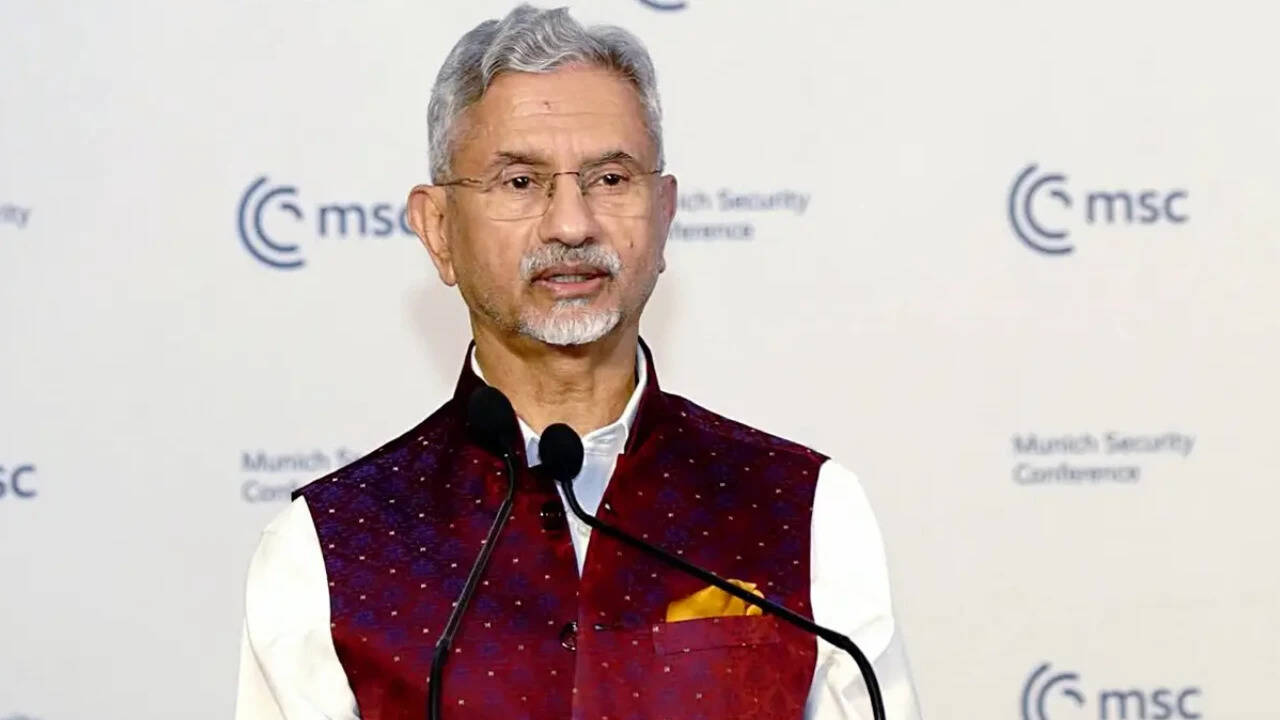
Indian External Affairs Minister Subrahmanyam Jaishankar recently discussed New Delhi’s diplomatic stance on the ongoing Russia-Ukraine conflict, highlighting India's readiness to help facilitate peace. During his remarks, India's top diplomat explained that the government is actively working to encourage dialogue and negotiation between the warring nations. He noted that Indian officials have recently put forward specific proposals aimed at resolving critical international chokepoints, particularly concerning grain shipments and energy exports.
The foreign minister also addressed broader geopolitical shifts, focusing on the changing role of the United States on the world stage. He remarked that American foreign policy choices have led the country toward becoming a more isolated international actor. Alongside this observation, Jaishankar analyzed the significant impact that China's continuous rise is having on global diplomatic structures and international relations as a whole.
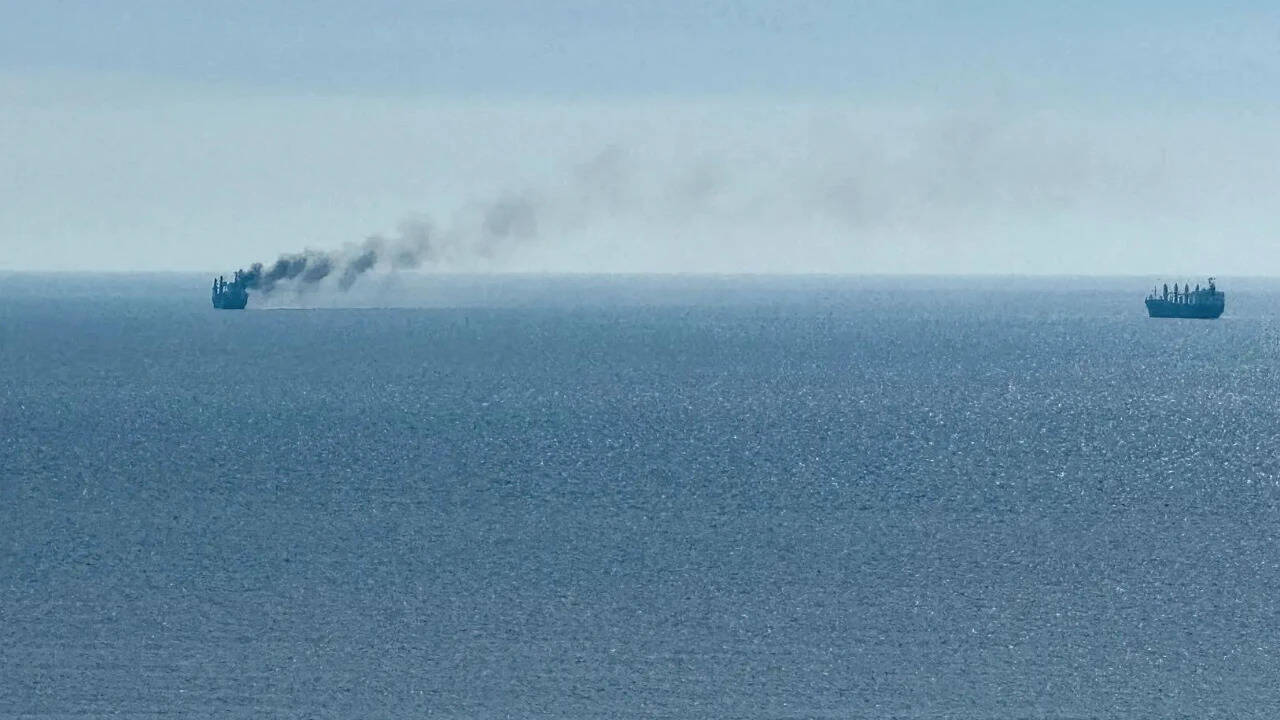
Beyond the geopolitical implications, the protracted war in Eastern Europe has created tangible challenges for India at home. The minister pointed out that domestic sectors are experiencing negative consequences stemming from the conflict, most notably through severe disruptions to commercial shipping lanes. These logistical hurdles have affected trade routes and raised economic concerns within the country.
India has consistently maintained a neutral position regarding the hostilities in Ukraine, refusing to join Western-led sanctions against Moscow while simultaneously emphasizing the importance of respecting national sovereignty and territorial integrity. New Delhi has instead utilized its diplomatic channels to urge both sides to return to the negotiating table. Prime Minister Narendra Modi has previously conveyed messages of peace during visits to both Moscow and Kyiv, reinforcing the nation's desire to act as a bridge between the conflicting parties.
International analysts have closely watched India's balancing act between traditional partnerships with Western nations and its historical defense ties with Russia. Despite mounting pressure from global powers, Indian leadership continues to prioritize strategic autonomy in its foreign affairs. As the conflict enters its subsequent years, New Delhi remains committed to advocating for diplomatic resolutions that can mitigate both regional instability and the secondary economic shocks felt across the developing world.
Reporting based on coverage first published by The Times of India. Read the original report at The Times of India.