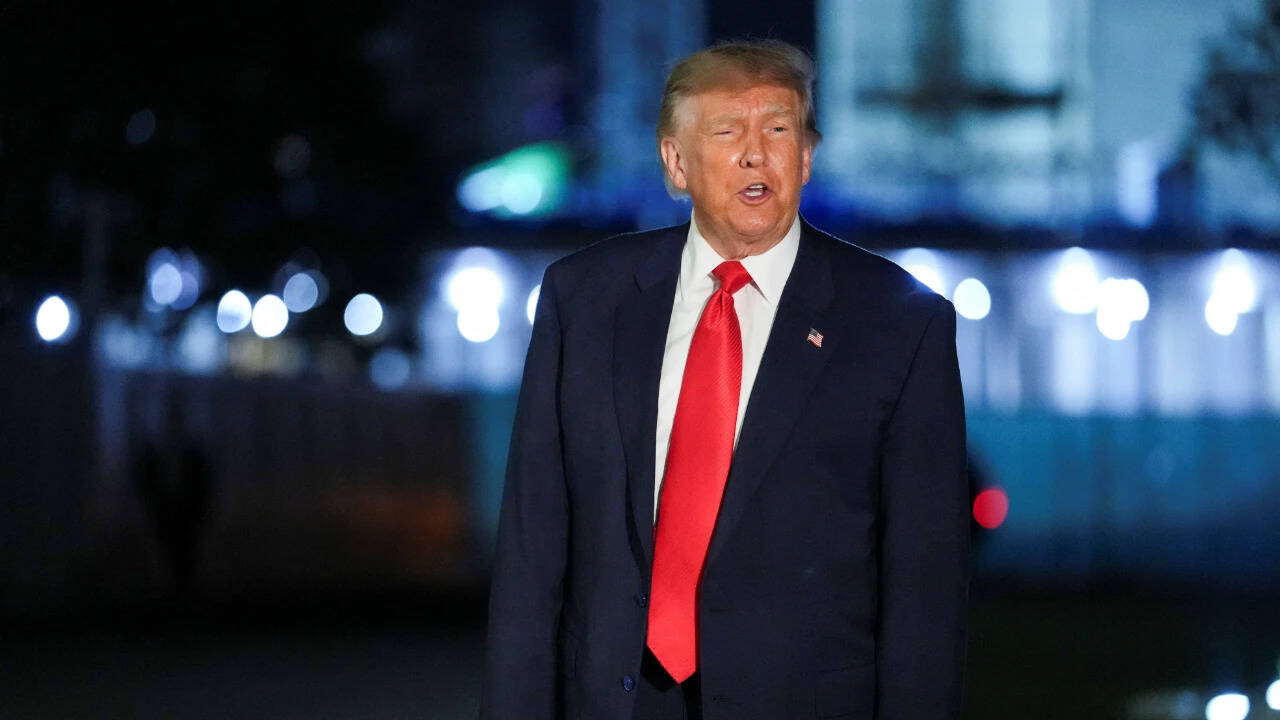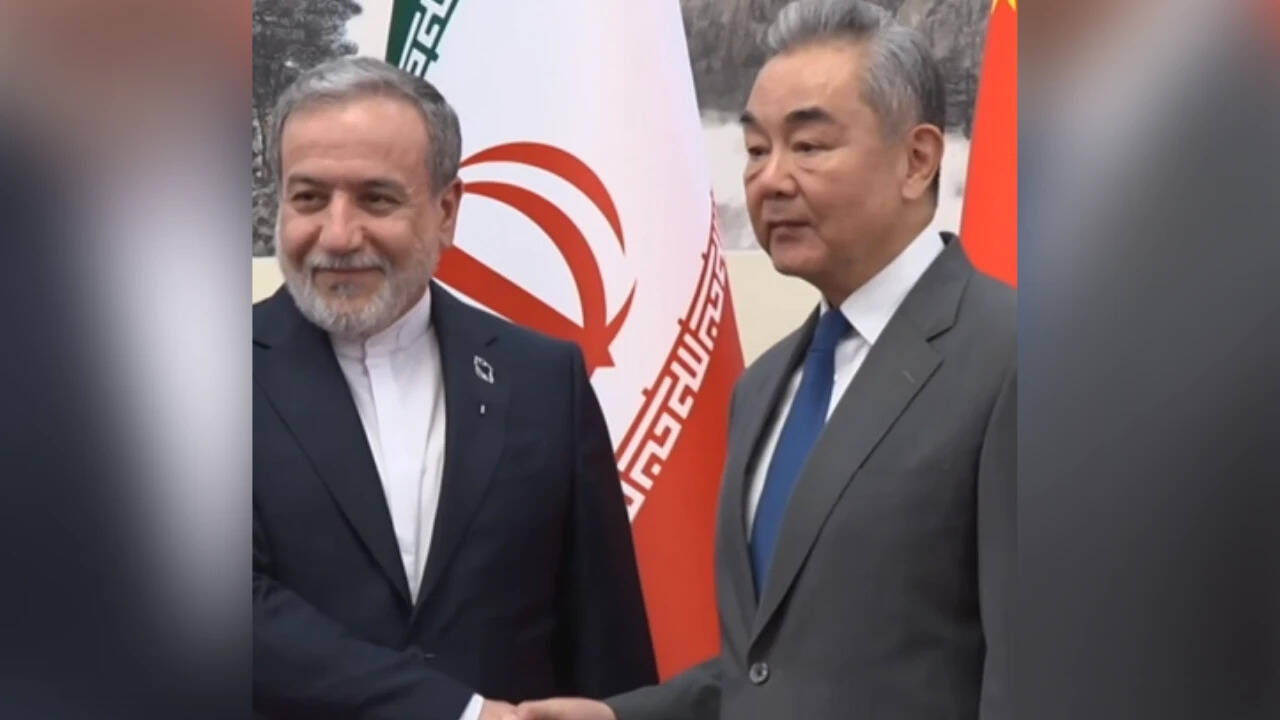
Beijing has called upon both Tehran and Washington to exercise maximum restraint amidst escalating tensions surrounding the Strait of Hormuz. The diplomatic intervention comes as maritime traffic through the vital energy corridor faces severe disruptions, prompting international concern over global oil supplies and regional stability.
Chinese foreign ministry representatives emphasized the urgent need for open communication channels between the United States and Iran. Officials in Beijing stressed that keeping the strategic waterway operational is essential for maintaining international trade and economic equilibrium. The appeal urges both nations to avoid actions that could further militarize the zone or provoke unintended military escalation.
The Strait of Hormuz serves as a critical choke point for the global petroleum market, with a massive share of the world's crude oil passing through its narrow waters daily. Any prolonged closure or significant disruption in the region typically triggers immediate spikes in international oil prices. Nations across Asia, Europe, and the Americas rely heavily on the corridor for their daily energy imports, making maritime security in the area a matter of worldwide priority.
Recent developments in the area have seen heightened naval positioning and heightened rhetoric from both American and Iranian officials. International observers note that the situation remains delicate, with commercial vessels operating under increased scrutiny and security risks. While diplomatic efforts are ongoing in various capitals, the path toward fully reopening and stabilizing the passage remains uncertain.
China maintains significant economic and diplomatic ties with both countries, positioning Beijing as a prominent voice calling for de-escalation. Analysts suggest that the latest appeal reflects broader anxieties about the potential economic fallout of a sustained maritime blockade. Further updates on the diplomatic front are expected as regional and global leaders continue consultations to address the crisis.
Reporting based on coverage first published by The Times of India. Read the original report at The Times of India.