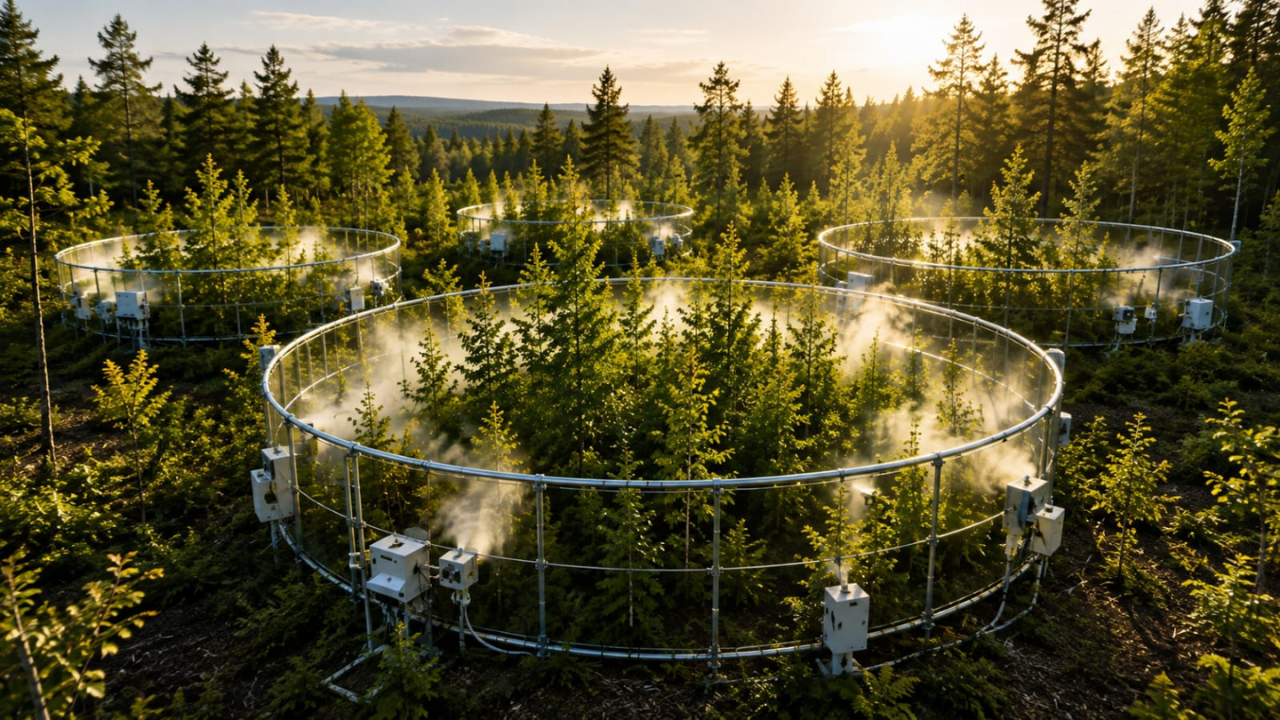
A long-term scientific investigation conducted in Wisconsin has shed new light on how forest ecosystems respond to shifting atmospheric conditions. Researchers tracked the growth and carbon storage of forest plots exposed to elevated levels of carbon dioxide and ozone over an eleven-year period. The findings reveal opposing forces at play as woodlands attempt to adapt to human-induced changes in the air.
According to the study results, an increase in atmospheric carbon dioxide alone produced a substantial boost in forest productivity. Trees and vegetation exposed to higher concentrations of carbon dioxide expanded their overall biomass and stored significantly more carbon over the course of the project, with productivity climbing by nearly two-fifths. This outcome aligns with the concept of carbon fertilization, wherein plants utilize abundant carbon dioxide to accelerate photosynthesis and growth under favorable conditions.
However, the experiment also introduced elevated levels of ozone into certain forest communities, which triggered a contrasting outcome. Ozone exposure counteracted the growth benefits by damaging plant tissues and impairing physiological functions. The presence of increased ozone reduced overall forest productivity and diminished the total amount of carbon the ecosystem could safely store.
When researchers combined both atmospheric elements in the study plots, the ultimate impact on the forest reflected a tug-of-war between stimulation and limitation. Carbon dioxide continued to encourage vigorous plant development, but the destructive nature of ozone consistently capped those gains. This dual reaction demonstrates the intricate and multifaceted ways that plant communities process multiple environmental stressors simultaneously.
Scientists emphasize that these observations provide crucial insights for understanding the future of global woodlands. As industrial emissions continue to alter the composition of the atmosphere, forests must navigate a complicated balance of resources and pollutants. The Wisconsin findings underscore the difficulty of predicting large-scale ecological shifts when opposing atmospheric factors interact within natural habitats.
Reporting based on coverage first published by The Times of India. Read the original report at The Times of India.