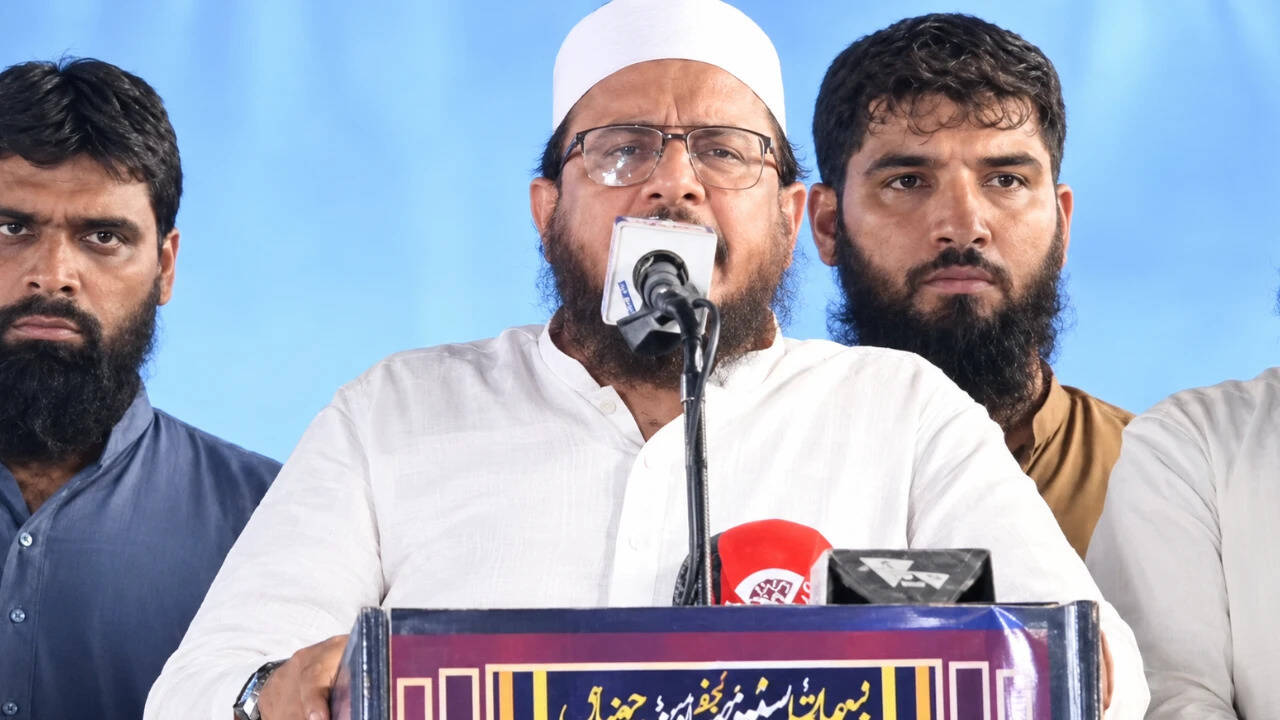
Tensions between neighboring nations have risen following a belligerent public address delivered by the son of a notorious militant leader. During the speech, the speaker directed direct threats toward the Indian capital, drawing immediate concern from security analysts and government observers. The rhetoric highlights ongoing security challenges in the region, where extremist figures continue to use hostile language against neighboring states.
The speaker, identified as the son of Hafiz Saeed, invoked historical grievances during his remarks to rally supporters. By questioning the sovereignty and control of major urban centers across the border, the address aimed to provoke nationalistic sentiment among hardline factions. Observers note that such speeches are frequently utilized by extremist networks to maintain relevance and incite regional instability.
Security agencies in the region are currently reviewing the remarks to assess any potential threats to public safety. Intelligence officials remain vigilant, monitoring cross-border activities and domestic security measures in response to the escalating rhetoric. Authorities have consistently emphasized their preparedness to counter any hostile actions or security breaches stemming from militant groups based in the region.
Hafiz Saeed, the father of the speaker, is widely recognized as a central figure behind historical terrorist attacks, including the 2008 Mumbai assaults. Designated as a global terrorist by international bodies, including the United Nations and the United States, he has operated with relative impunity in certain areas despite international pressure. The continued prominence of his family members within militant networks underscores the persistent threat posed by these organizations.
Regional diplomats have expressed concern that such provocative statements undermine ongoing efforts to establish peace and stability in South Asia. Governments frequently call for stronger action against terrorist financing and the harboring of extremist leaders to prevent further escalation. As the situation develops, international observers continue to monitor the impact of these inflammatory remarks on bilateral relations.
Reporting based on coverage first published by The Times of India. Read the original report at The Times of India.