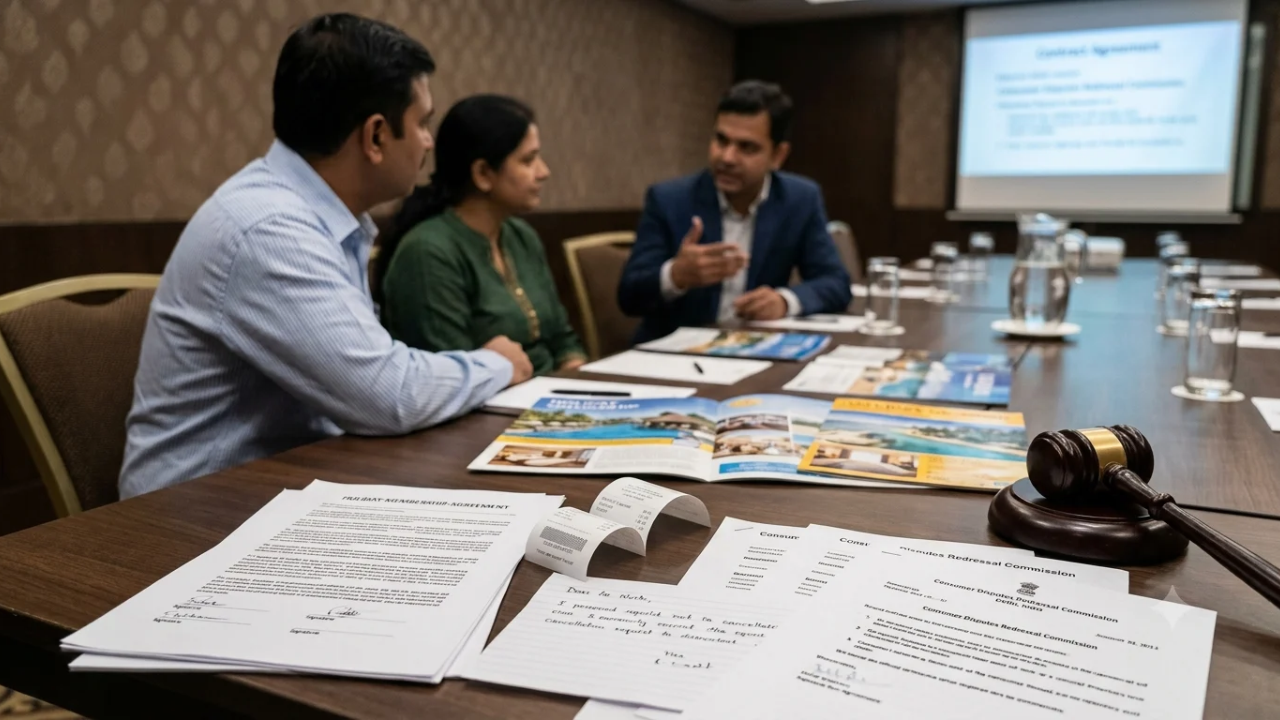
A consumer dispute in the national capital has concluded with a favorable ruling for a local couple who fell victim to misleading sales tactics promoted by a vacation club. The case highlights ongoing issues within the hospitality and tourism sector regarding aggressive marketing campaigns that promise complimentary lodging to lure unsuspecting consumers.
The grievance began when the residents attended a promotional event hosted by Royalty Holidays International. During the gathering, representatives of the firm dangled the prospect of free hotel stays and various exclusive vacation perks, convincing the pair to sign up for a paid package. To secure the deal, the consumers paid sixty-five thousand rupees for a long-term membership plan.
Shortly after completing the transaction, the buyers discovered that the actual terms and conditions starkly contrasted with the verbal promises made by the sales agents. Attempts to utilize the promised benefits revealed numerous hidden fees, blackout dates, and severe restrictions that rendered the membership practically unusable. Feeling deceived by the discrepancy between the promotional pitch and the reality of the service, the couple sought a resolution.
Unable to secure a satisfactory response or a voluntary refund from the business, the aggrieved customers escalated the matter to a consumer dispute redressal forum in Delhi. They formally accused the firm of deceptive trade practices and a severe failure to deliver promised services. The legal challenge aimed to recover their initial investment and hold the company accountable for the stressful ordeal.
Upon reviewing the evidence, the consumer commission determined that the travel enterprise had indeed engaged in unfair trade practices and provided deficient service. The panel concluded that the firm used deceptive methods during its promotional event to extract funds under false pretenses. Consequently, the judicial body ordered the company to reimburse the entire sixty-five thousand rupees collected from the couple.
In addition to the full refund, the commission mandated that the business pay supplemental compensation to cover the mental agony and harassment experienced by the buyers due to the ordeal. Legal experts note that this decision serves as a reminder to service providers regarding accountability in consumer contracts. Regulatory bodies across India continue to monitor aggressive holiday club marketing strategies to protect citizens from similar financial traps.
Reporting based on coverage first published by The Times of India. Read the original report at The Times of India.