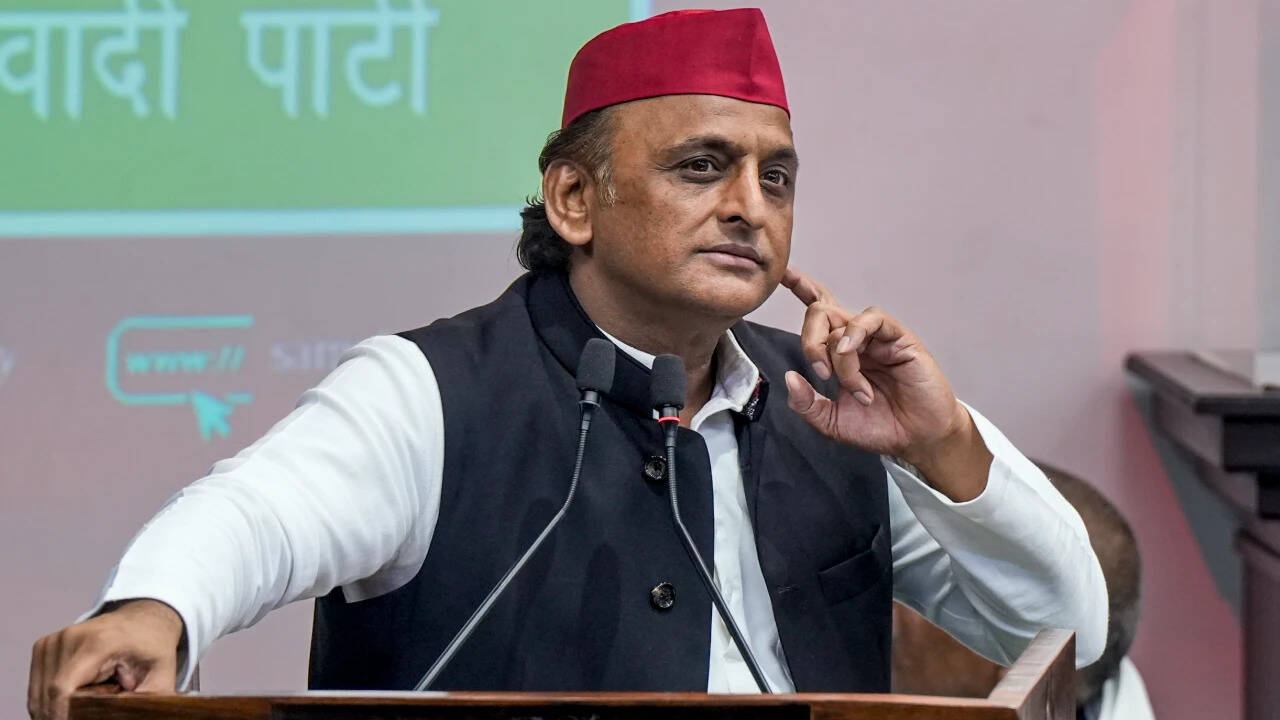
The political landscape in India has seen a fresh wave of contention following sharp remarks from opposition leaders regarding the management of electoral processes. Akhilesh Yadav, a prominent national figure and head of the Samajwadi Party, has publicly criticized the Election Commission of India. His comments centered on allegations of internal discord within the election oversight body and potential procedural shortcomings during recent political transitions.
According to statements highlighted in political discourse, Yadav argued that any governance structures established amidst administrative or procedural failures lack legal legitimacy. He suggested that lapses in overseeing elections compromise the foundational integrity of democratic outcomes. This line of critique targets the core mechanisms by which governments assume power following contentious electoral cycles.
The remarks bring renewed attention to the delicate relationship between political parties and constitutional authorities in India. Opposition figures frequently scrutinize the Election Commission to ensure absolute neutrality and transparency in managing polls. Yadav's latest intervention underscores ongoing anxieties within political circles concerning administrative oversight and the enforcement of electoral protocols.
Representatives of the election authority and ruling parties often maintain that institutional frameworks remain robust and capable of handling complex political dynamics. However, opposition groups continue to demand higher standards of accountability to safeguard democratic institutions from perceived vulnerabilities. The debate reflects deeper polarization within the country's legislative and electoral spheres as political actors position themselves for upcoming electoral contests.
As discussions surrounding these governance concerns persist, analysts note that public trust in electoral administration remains a critical component of political stability. The friction between opposition leaders and constitutional bodies highlights the continuous tension over how electoral rules are interpreted and applied. Further reactions from political stakeholders are anticipated as parties evaluate the broader implications of these institutional disputes.
Reporting based on coverage first published by The Times of India. Read the original report at The Times of India.