The ongoing conflict involving the M23 rebel group in the eastern region of the Democratic Republic of Congo has created a lucrative environment for various armed factions and guerrilla networks operating in the area. While the primary hostilities draw international attention, a complex web of opportunistic militias continues to exploit the instability for substantial financial gain. Observers and investigators note that the prolonged state of insecurity allows these groups to fund their operations through illicit taxation, mineral smuggling, and other predatory economic activities.
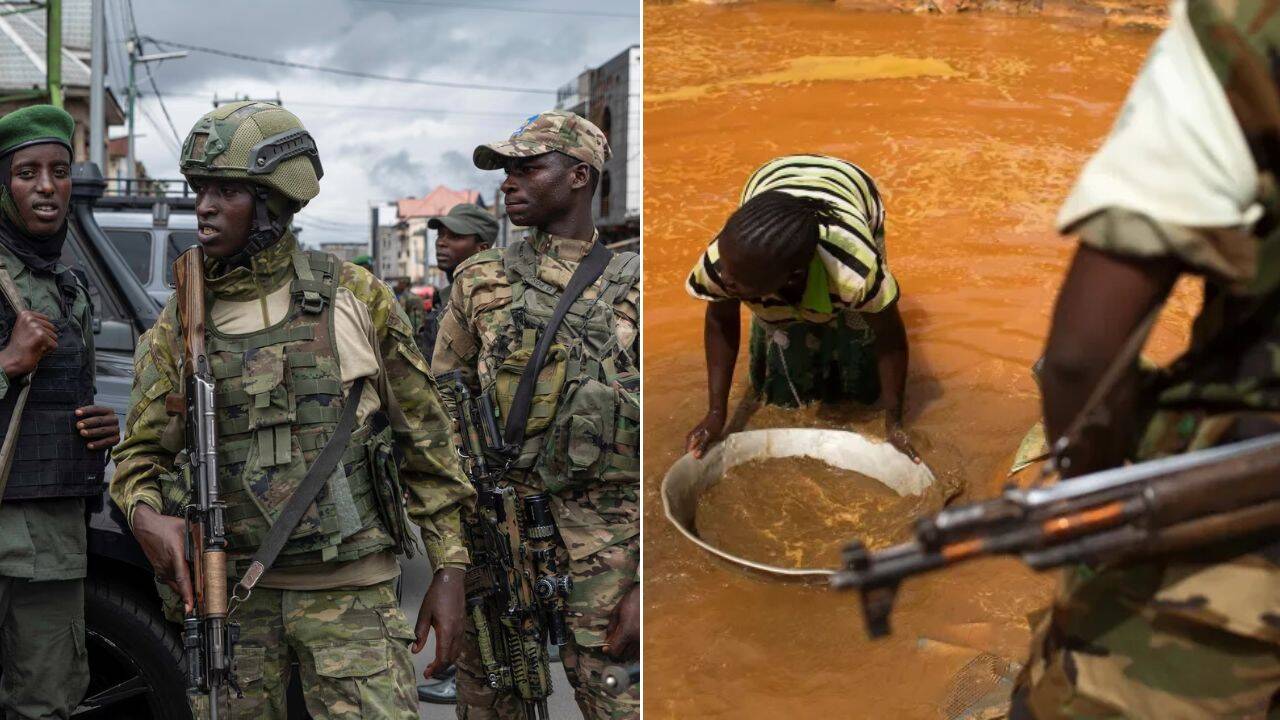
At the heart of this war economy is the taxation of vital trade routes and transport corridors. Armed groups frequently establish illegal checkpoints along major roadways, forcing local merchants, farmers, and transport operators to pay hefty tolls in exchange for safe passage. These unauthorized fees generate a steady stream of revenue for militias that might otherwise struggle to sustain their combat capabilities. Because civilian traffic and commercial goods must move through contested territory, these extortion schemes heavily burden local populations while filling the coffers of insurgent commanders.
Beyond extortion at road checkpoints, the conflict zone is rich in natural resources, particularly gold and other valuable minerals. Illicit mining operations and smuggling networks thrive amid the breakdown of state authority, providing armed factions with direct access to international black markets. Prospectors and small-scale miners often find themselves subjected to forced labor or heavy taxation by whichever militia controls their specific territory. The profits from these mineral sales are routinely funneled into acquiring more weaponry and ammunition, thereby perpetuating the cycle of violence.
The persistence of these auxiliary war profiteers significantly complicates diplomatic and military efforts to stabilize the eastern provinces. Even if major combatants were to reach a political settlement, the multitude of smaller armed bands relying on the current lawlessness would likely resist disarmament to protect their lucrative enterprises. Humanitarian organizations working in the region emphasize that addressing these underlying financial incentives is crucial for achieving lasting peace. Until local authorities and international peacekeepers can secure the supply routes and regulate the mineral trade, various factions will continue to find profit in the chaos of the M23 conflict.
Reporting based on coverage first published by The Times of India. Read the original report at The Times of India.