Recent missile and drone attacks launched by Houthi forces targeting Saudi Arabia have brought renewed attention to the security arrangements between Riyadh and Islamabad. Observers are closely examining a bilateral defense pact that was established to safeguard regional stability. While Pakistani military personnel and various defense assets have been positioned in the kingdom, the exact boundaries of their engagement in active defense operations remain ambiguous.
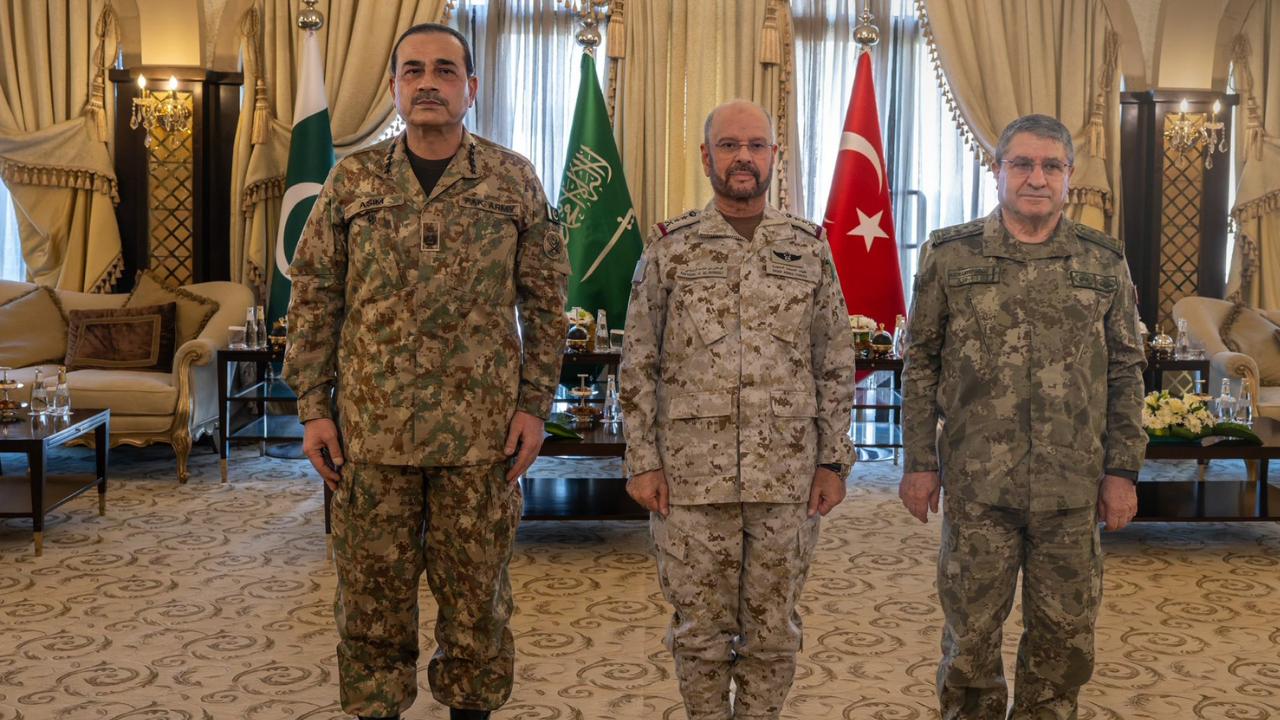
Diplomatic and military circles have raised questions about whether the current security framework provides adequate deterrence against ongoing regional threats. High-level discussions between senior Turkish and Pakistani military commanders have recently taken place, yet these talks have not yielded concrete operational timelines or clear strategies for immediate deployment. Analysts note that the lack of public targets and mobilization schedules leaves the true utility of the defense agreement open to debate.
Multilateral efforts through the Islamic Military Counter Terrorism Coalition have also faced scrutiny amid the latest security developments. Despite the coalition's stated mandate to combat regional security threats, the organization has yet to mobilize in response to the escalating Houthi provocations. This apparent inaction has added to the growing uncertainty surrounding how regional allies intend to address the persistent drone and missile campaigns aimed at Saudi infrastructure.
The defense relationship between Pakistan and Saudi Arabia has historically involved training, advisory roles, and strategic cooperation to maintain stability on the Arabian Peninsula. However, the shifting nature of asymmetric warfare, characterized by frequent long-range aerial strikes, presents new challenges for traditional mutual defense pacts. As security officials continue to review the situation, the focus remains on whether existing agreements will be adapted to provide a more active defense posture against emerging regional adversaries.
Reporting based on coverage first published by The Times of India. Read the original report at The Times of India.