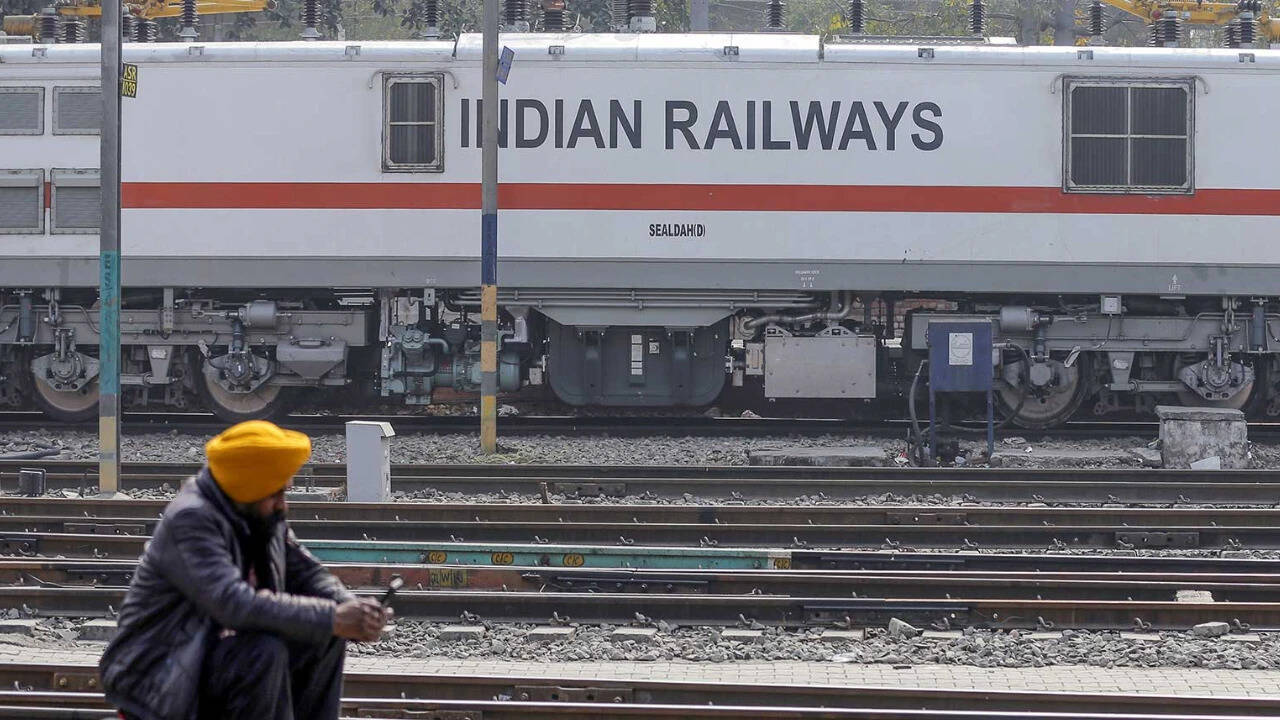
Beijing has long positioned itself on the global stage as a neutral mediator dedicated to international peace and stability. However, recent geopolitical developments and intelligence findings challenge that diplomatic persona, particularly regarding Beijing's expanding military cooperation with Tehran. Observers note a significant increase in shipments of defense-related hardware and hardware components originating from Chinese suppliers and arriving in Iran.
In addition to maritime and land shipments, analysts have tracked a substantial spike in cargo flights operated by Chinese commercial and logistics carriers. These dedicated flights have reportedly focused heavily on sustaining and reinforcing the defense capabilities of the Iranian state. This steady pipeline of military supplies raises difficult questions about Beijing's official stance of neutrality in ongoing regional conflicts.
The deepening security partnership between the two nations introduces a fresh layer of friction into broader international diplomacy. As Western capitals attempt to manage delicate bilateral engagements with Beijing, the covert or overt support provided to Tehran complicates diplomatic calculations. Policymakers in Washington and other Western capitals must balance economic and strategic dialogues with the reality of China's expanding footprint in Middle Eastern security dynamics.
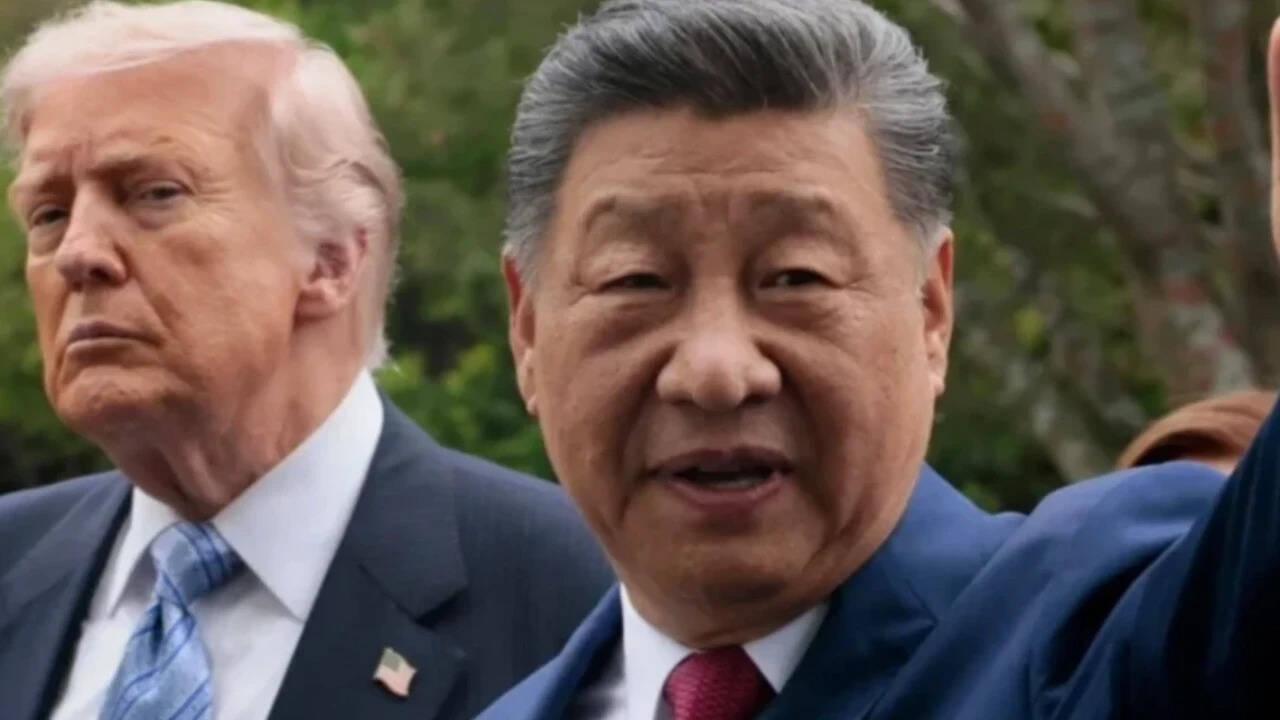
This alignment also casts a shadow over past and future high-level diplomatic summits between the world's leading economic powers. Even as leaders negotiate trade agreements, diplomatic protocols, and bilateral summits, underlying strategic tensions persist due to proxy alliances and military proliferation. The growing military ties underscore the friction between stated diplomatic goals and the practical realities of great power competition.
International relations experts point out that Beijing's dual strategy of pursuing diplomatic influence while bolstering defense partners allows it to project power globally without direct confrontation. By supplying crucial technological and physical components to nations under Western pressure, Beijing secures long-term economic and strategic benefits. At the same time, this approach risks alienating international partners who view such actions as undermining regional stability.
As monitoring agencies continue to track cargo movements and supply chains, transparency regarding international arms flows remains a central concern for global security analysts. The unfolding situation highlights the delicate balance required as major global powers navigate overlapping economic interests and adversarial alliances. For now, the expanding defense pipeline between Beijing and Tehran remains a critical focal point in contemporary international relations.
Reporting based on coverage first published by The Times of India. Read the original report at The Times of India.