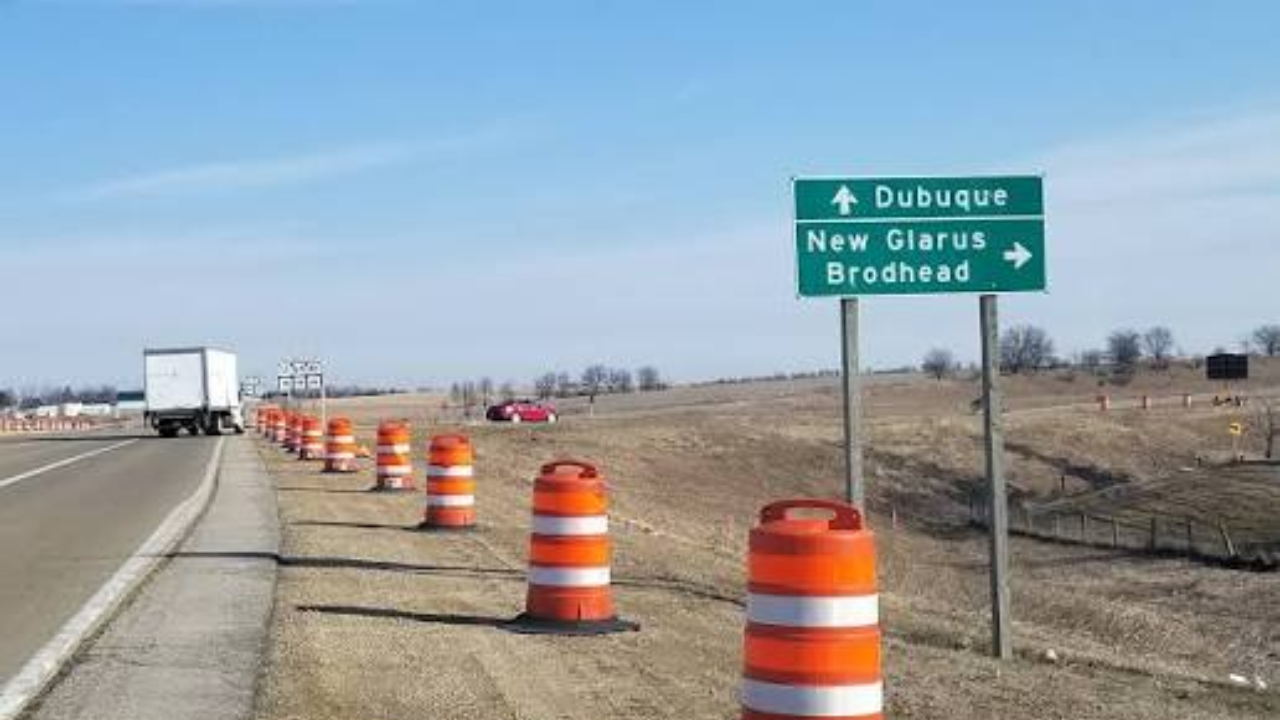
The Indiana Supreme Court has resolved a long-standing property dispute involving a state highway initiative by setting the final compensation for a land acquisition at $20,840. The legal ruling brings closure to a procedural conflict over a portion of real estate owned by Jeremy Willis along State Road 11.
State transportation officials originally sought to acquire the designated tract of land to facilitate roadway improvements and infrastructure upgrades in the area. As part of the standard eminent domain procedure, professional evaluators assessed the market value of the targeted property. That initial formal evaluation placed the worth of the land at $20,840.
According to court documents, no formal challenges or formal objections were filed against that financial evaluation during the initial phases of the administrative process. Under state legal frameworks governing public works and property acquisition, uncontested valuations of this nature carry significant statutory weight.
However, subsequent legal maneuvers led to a lower court reviewing the matter, creating delays in the finalization of the project funds. The recent intervention by the state's highest court sought to clarify the application of eminent domain statutes regarding unchallenged property appraisals.
The Supreme Court concluded that because the valuation remained unopposed within the proper statutory timeframe, the figure became legally binding under Indiana law. The justices emphasized that trial courts must adhere strictly to established legislative guidelines when handling undisputed administrative determinations by transportation agencies.
Following this ruling, the Supreme Court instructed the local trial court to wrap up the pending proceedings immediately. The lower court is now required to enter a final judgment enforcing the $20,840 payout and authorize the immediate release of the allocated funds to the property owner.
Eminent domain cases frequently pit the infrastructure needs of state governments against the private property rights of individual landowners. When transportation departments require private land for public roadways, they are legally required to provide just compensation based on objective market evaluations.
This latest decision reinforces the legal permanence of administrative appraisals when property owners do not contest the initial financial assessments. With the compensation amount officially cemented by the state's highest judicial authority, the infrastructure initiative can move forward without further legal obstruction concerning this specific parcel of land.
Reporting based on coverage first published by The Times of India. Read the original report at The Times of India.