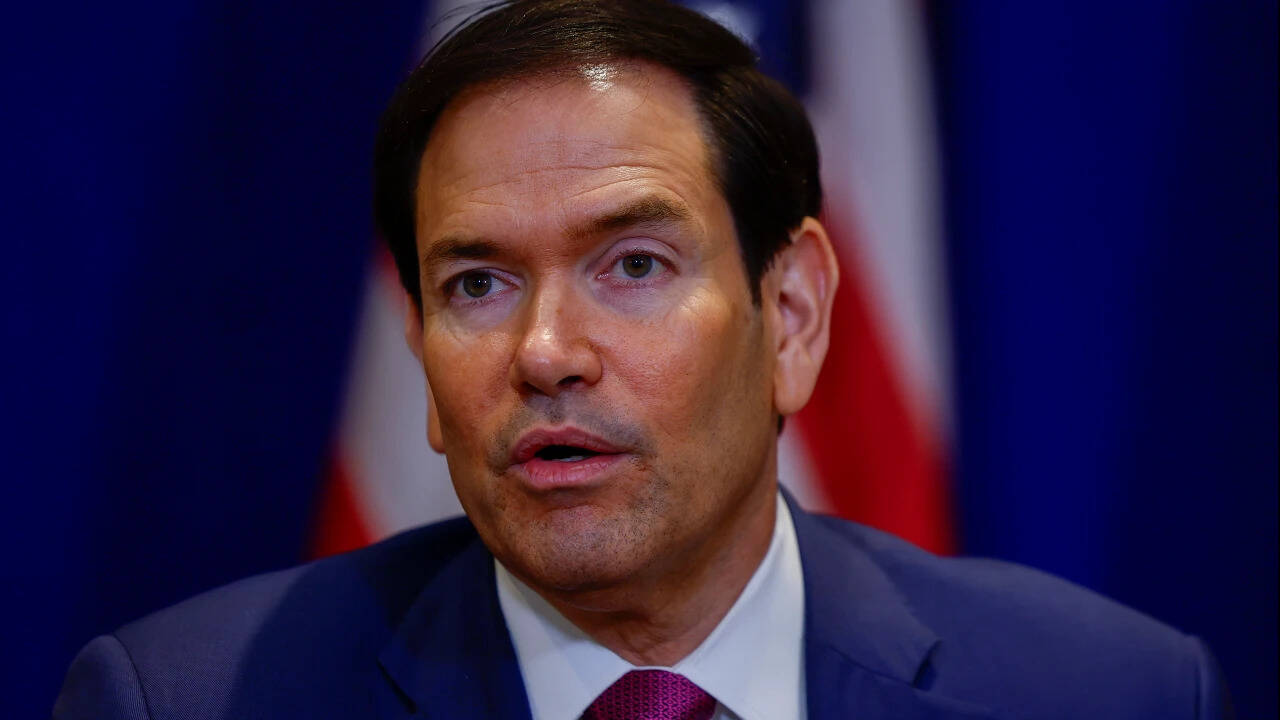
United States Secretary of State Marco Rubio delivered a critical assessment of the global diplomatic architecture during the United Nations General Assembly, declaring that the current international framework is no longer capable of resolving major geopolitical conflicts. Speaking to international delegates, the top American diplomat pointed to what he described as a widespread consensus among global leaders that existing multilateral institutions have failed to keep pace with modern challenges.
According to reports from the gathering, the American delegation observed that governments around the world are increasingly prioritizing domestic priorities over collective global solutions. This inward turn among nations is viewed as a direct consequence of the perceived shortcomings of traditional diplomatic bodies, which many leaders feel are too sluggish or polarized to deliver meaningful outcomes during crises.
Despite highlighting the deep structural flaws within global governance, the Secretary of State did not advocate for a total abandonment of these institutions. Instead, the remarks emphasized that the framework retains intrinsic value for international relations, provided it undergoes significant restructuring. The official stance underscored an urgent need to modernize multilateral organizations so they can effectively foster cooperation and address pressing worldwide concerns.
The debate over the relevance of the United Nations and related international bodies has intensified in recent years as major powers clash over regional conflicts, economic policies, and security arrangements. Critics frequently point to diplomatic paralysis in key security forums as evidence that the post-World War II order requires an overhaul to reflect contemporary geopolitical realities.
The ongoing discussions at the General Assembly highlight a delicate balancing act for major nations as they navigate competing pressures between national sovereignty and international engagement. While the United States signaled a firm commitment to putting its own strategic priorities first, the acknowledgment that reform is necessary suggests that Washington continues to see a role for collective diplomacy, provided the architecture functions to meet modern demands.
Reporting based on coverage first published by The Times of India. Read the original report at The Times of India.