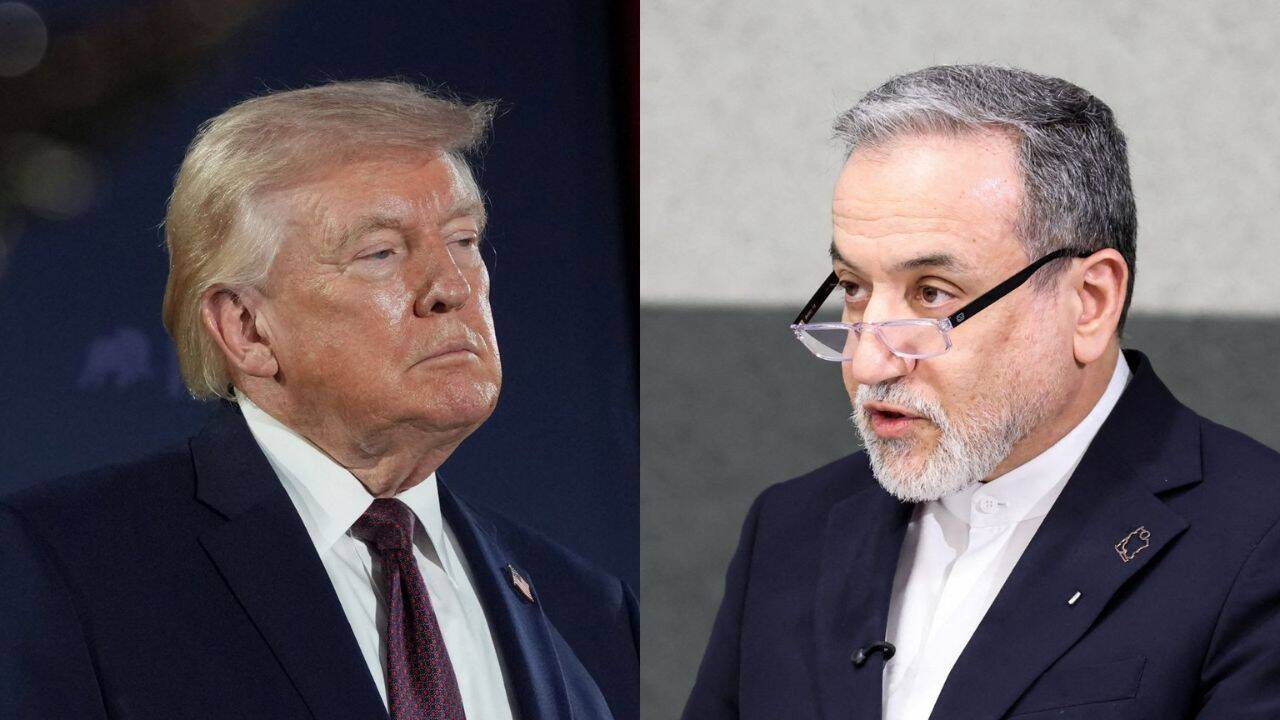
Tehran has signaled a willingness to keep diplomatic channels active despite regional tensions, even as the United States administration pushes back against recent proposals concerning maritime security in the Strait of Hormuz. The diplomatic maneuvering comes amid heightened scrutiny over commercial shipping routes in the Middle East, a vital artery for global energy supplies.
Iranian officials indicated that dialogue remains an option for addressing ongoing disputes between the two nations. The position suggests a measured approach from Tehran as international observers monitor stability in the Persian Gulf. However, the exact framework for these potential discussions has not been detailed by regional authorities.
The diplomatic overture follows a firm rejection by the White House regarding a specific proposal related to the Strait of Hormuz. United States leadership dismissed the initiative, maintaining that current American strategies for securing the critical waterway will remain unchanged. Washington has consistently emphasized the need for unrestricted navigation through the corridor, which handles a significant portion of the world's petroleum transit.
The Strait of Hormuz has long been a focal point of geopolitical friction, connecting the Persian Gulf with the Gulf of Oman. Past incidents involving commercial vessels and military patrols in the area have frequently heightened international anxiety. Both regional actors and external powers maintain a strong naval presence nearby to deter disruptions to maritime commerce.
The interplay between Iran's openness to talks and the rejection of the Hormuz plan highlights the complex nature of current international relations in the region. While diplomatic signals are being monitored for any shift in posture, hardline stances on maritime security continue to define the policy of Western nations. Analysts note that while communication pathways are technically open, substantial hurdles remain before any formal negotiations can commence.
The international community continues to watch the situation closely to gauge whether these differing stances will lead to further escalation or open the door for moderated engagement. Neighboring countries and global trade partners remain invested in maintaining stability to prevent any adverse impacts on energy markets and global supply chains.
Reporting based on coverage first published by The Times of India. Read the original report at The Times of India.