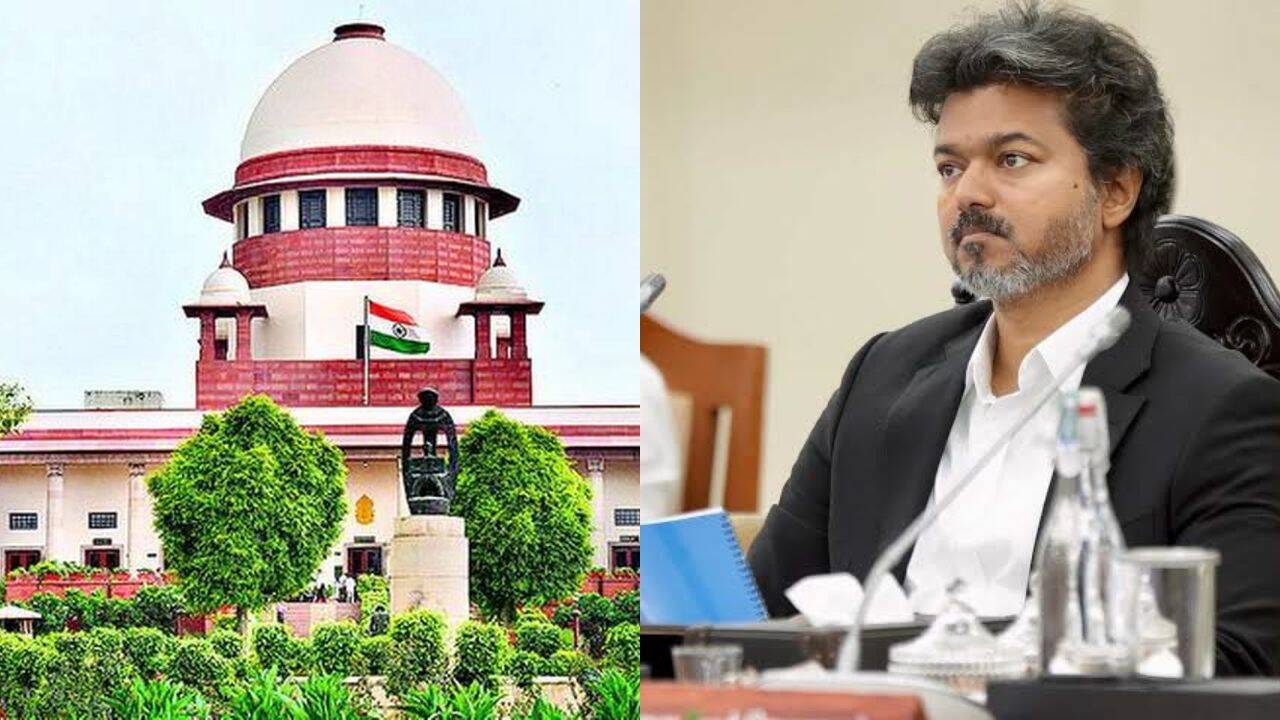
The Supreme Court of India has questioned the Tamil Nadu government regarding its refusal to establish Jawahar Navodaya Vidyalaya residential schools within the state. The central government scheme provides tuition-free secondary education to talented children, particularly from rural areas, with a specific focus on multilingual instruction.
During the court proceedings, the bench emphasized that blocking the implementation of educational institutions funded by the central government solely due to language policies is unacceptable. The judiciary noted that the opportunity for students to learn multiple languages, including Hindi, should not be outright restricted by state authorities.
Tamil Nadu has historically maintained a strict stance on language policies, promoting a two-language formula consisting of Tamil and English while fiercely opposing any perceived imposition of Hindi. This political and cultural sentiment has led successive state administrations to opt out of the Navodaya school system, which traditionally aligns with a broader three-language framework.
Central authorities established the Navodaya system decades ago to bridge educational disparities across the country by setting up residential facilities in every district. While most states adopted the initiative, a small number of regional administrations have resisted participation over concerns related to cultural preservation and language dominance.
The recent judicial remarks place renewed pressure on the southern state to reconsider its position on central educational grants and infrastructure. Legal experts indicate that the ongoing dialogue between the apex court and state representatives could influence broader discussions on federal cooperation in public schooling.
The Supreme Court has directed the state government to review its administrative stance and respond to the concerns raised during the hearings. Further deliberations on the matter are expected as the legal bench examines the balance between central educational policies and regional administrative autonomy.
Reporting based on coverage first published by The Times of India. Read the original report at The Times of India.