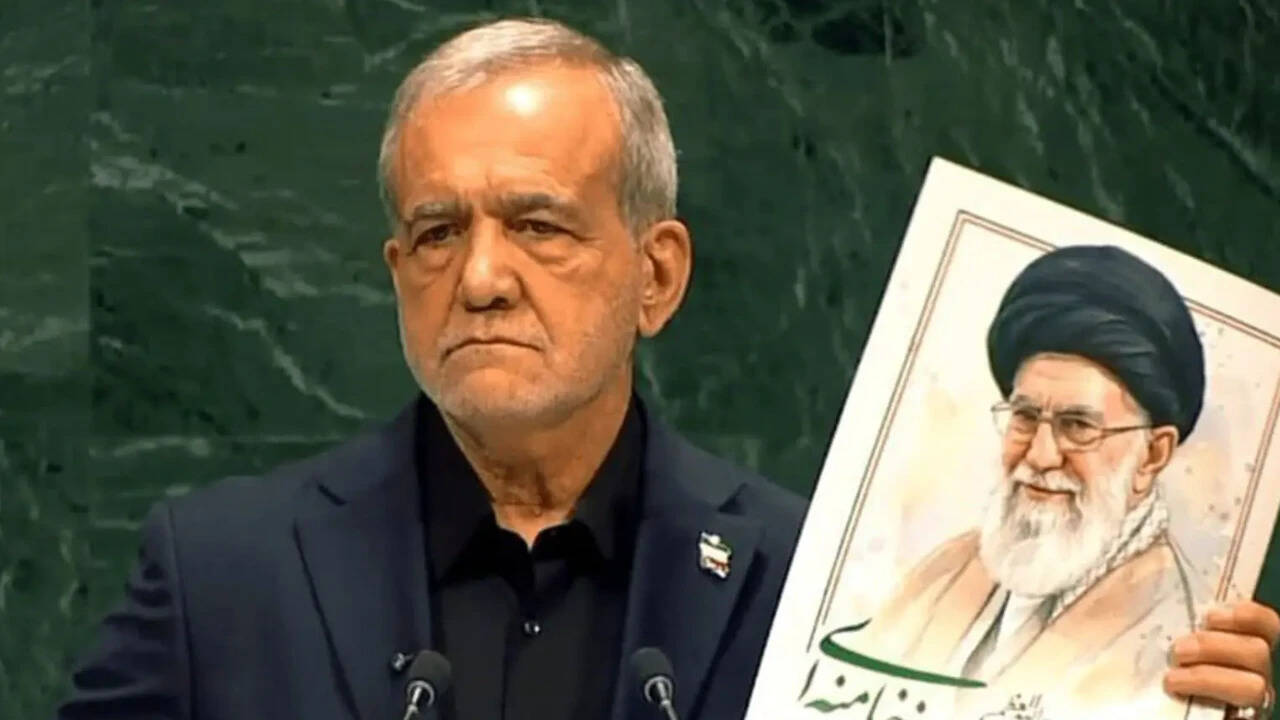
Iranian President Masoud Pezeshkian has firmly rejected allegations that his nation intends to construct a nuclear weapon. Speaking during a recent diplomatic engagement, the Iranian leader emphasized that atomic development within the country strictly adheres to peaceful objectives and remains strictly defensive in nature.
Pezeshkian underscored the religious and legal prohibitions within Iranian policy regarding weapons of mass destruction. He described the concept of acquiring such armaments as entirely unholy and unlawful. To reinforce these assurances, the administration expressed readiness to engage with global inspectors and consider reductions in the nation's reserves of enriched uranium.
Despite these diplomatic overtures, the Iranian leader directed criticism toward Washington, accusing the United States of prioritizing aggressive military strategies over meaningful dialogue. According to Pezeshkian, this preference for force has significantly fueled geopolitical friction in the region. He maintained that Tehran's defensive posture is merely a response to persistent external pressures and threats.
The ongoing diplomatic stalemate stems from years of international concern over Iran's expanding nuclear capabilities. Western powers and their allies have long sought assurances that Tehran cannot develop fissile material for military applications. Previous diplomatic frameworks aimed at curbing these activities faced severe setbacks following the unilateral U.S. withdrawal from the landmark international nuclear agreement in 2018.
International observers continue to monitor developments closely as Tehran navigates its relationship with global oversight bodies. While Iranian officials signal a willingness to cooperate on verification measures, achieving a lasting diplomatic resolution will depend on renewed trust between the participating nations. The latest remarks from the presidency suggest a potential opening for dialogue, provided that foreign powers reciprocate with constructive diplomatic engagement.
Reporting based on coverage first published by The Times of India. Read the original report at The Times of India.