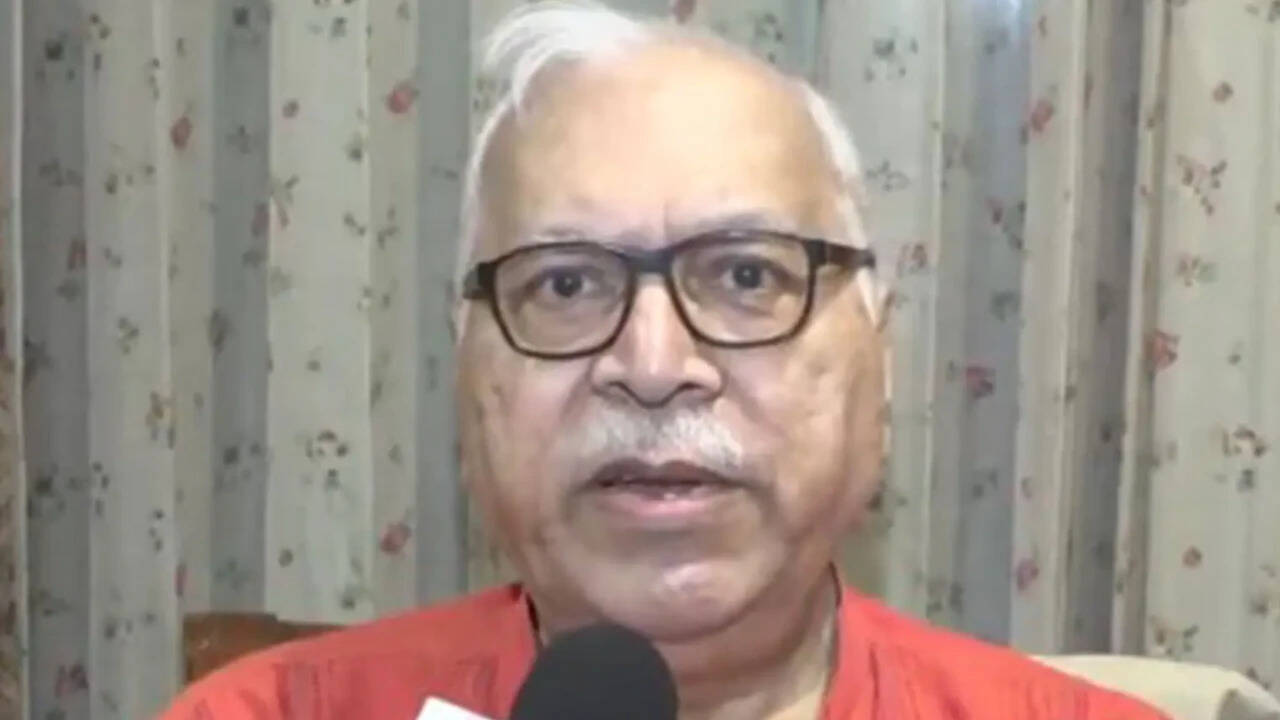
Former Chief Election Commissioner SY Quraishi has raised significant concerns regarding the governance structure in Jammu and Kashmir. He stated that the union territory is currently facing severe administrative paralysis due to what he described as a lame duck assembly and chief minister.
According to the former election official, the existing political arrangement prevents effective decision-making and weakens governance. The comments highlight ongoing challenges within the region's political framework as administrative bodies navigate complex jurisdictional boundaries.
Jammu and Kashmir has experienced major constitutional shifts in recent years, transitioning from a special-status state to a union territory governed under direct federal oversight. These structural changes have complicated the distribution of authority between elected representatives and central authorities. Critics frequently argue that these divisions create bottlenecks in public administration and hinder legislative progress.
The functioning of a lame duck assembly typically points to a legislature with limited operational effectiveness, often occurring during transitional phases or when political authority is constrained. In this context, observers note that local leadership struggles to implement meaningful policy changes or address pressing public grievances adequately.
The remarks from the former election chief bring renewed attention to the governance model operating in the territory. Political analysts suggest that these institutional friction points underscore the need for clearer delineations of power between local governance structures and central administration.
As discussions surrounding the political future of Jammu and Kashmir continue, the effectiveness of its current legislative framework remains a central topic among constitutional experts and regional stakeholders. The debate centers on how best to ensure responsive administration while maintaining stability in a sensitive border region.
Reporting based on coverage first published by The Times of India. Read the original report at The Times of India.