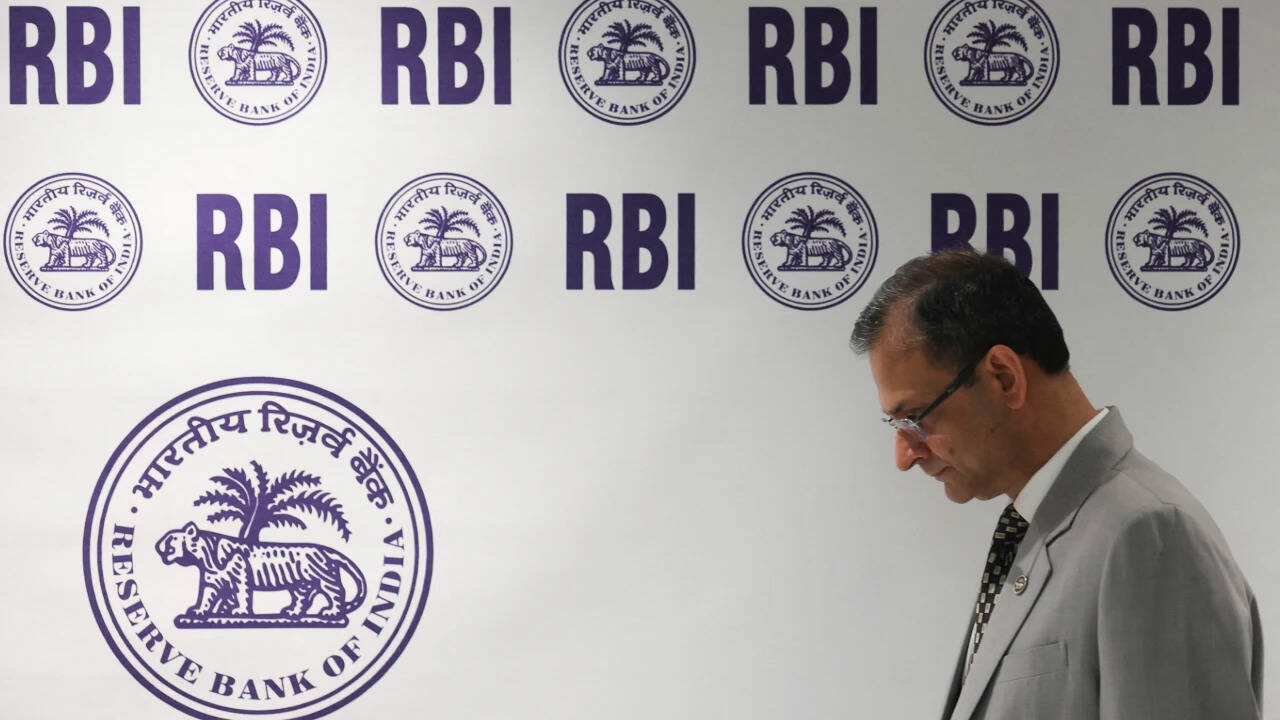
Borrowers across India are facing higher financial costs after the central bank raised its benchmark lending rate for the first time in nearly four years. The Reserve Bank of India announced a 25 basis points increase, bringing the repo rate to 5.5 percent. This monetary policy shift comes after a 44-month hiatus in rate hikes and responds to mounting inflationary pressures across the country.
Financial authorities pointed to persistent inflation alongside stronger than anticipated economic growth as the main drivers behind the decision. As the rate hike takes effect, commercial banks are expected to pass the higher borrowing costs on to consumers. This means individuals holding floating-rate loans will likely see their monthly installment amounts increase in the near future.
The timing of the policy change coincides with the festive shopping season, a crucial period for consumer spending and retail sales in India. Higher debt servicing costs could dampen household consumption as more disposable income goes toward paying off existing loans. Retail borrowers are advised to recalculate their monthly financial obligations to accommodate the adjusted equated monthly installments.
At the same time, the central bank's move is anticipated to bring some relief to savers. Banks typically respond to an increased repo rate by raising the returns offered on fixed-income products. Consumers looking to place their savings in fixed deposits can soon expect better interest rates on their deposits.
Market analysts note that the broader economic environment requires a careful balance between controlling price increases and sustaining growth momentum. While higher rates make borrowing more expensive, they also encourage saving by offering improved yields on traditional financial instruments. Financial institutions will monitor credit offtake closely in the coming months to see how consumers and businesses adjust to the tighter monetary conditions.
Reporting based on coverage first published by The Times of India. Read the original report at The Times of India.