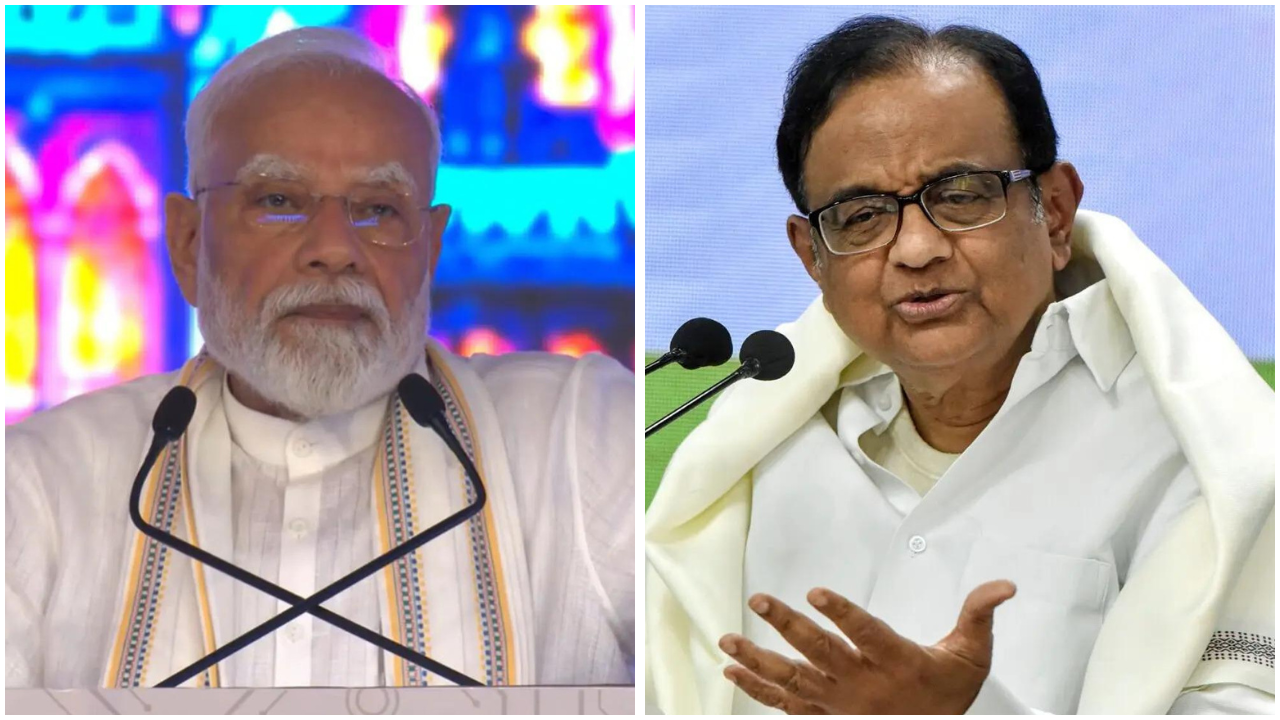
Senior Congress leader P Chidambaram has responded sharply to recent remarks made by Prime Minister Narendra Modi, dismissing a critical label while embracing another during a public discourse. The exchange centers on political terminology used to describe opposition figures and critics, adding a fresh layer of tension to the ongoing rivalry between the ruling Bharatiya Janata Party and the main opposition Congress party.
Prime Minister Modi had recently addressed supporters and critics by calling for the identification and isolation of individuals who harbor what he termed a Naxal mindset. In the same vein, the prime minister used the colloquial Hindi expression naraaz fufa, which translates loosely to an offended paternal uncle, to characterize certain perpetual complainers within the political sphere.
Rather than shying away from the criticism, Chidambaram addressed the remarks directly and expressed amusement over the phrasing. The veteran politician proudly stated that he welcomed the ideological label directed at him by the head of government. At the same time, he dismissed the comparison to an upset relative as entirely lacking in political or intellectual substance.
According to the Congress leader, the prime minister’s choice of words failed to resonate as a serious critique. Instead, Chidambaram pointed out that the remarks had unexpectedly energized younger internet users. He noted that Generation Z had taken the phrase and turned it into viral humor, generating widespread online discussions and satirical content across various social media platforms.
Chidambaram suggested that the younger demographic was having the last laugh by repurposing the political rhetoric into viral internet memes. This digital reaction demonstrates how modern political discourse in the country is increasingly influenced by online youth culture, where traditional insults are quickly refashioned into digital entertainment.
The verbal back-and-forth highlights the continuous political sparring between the BJP and the Congress as both sides vie for narrative dominance. While major parties often focus on serious policy debates and governance records, cultural moments involving colloquial language and social media reactions frequently capture public attention, bridging the gap between traditional politics and digital engagement.
Reporting based on coverage first published by The Times of India. Read the original report at The Times of India.