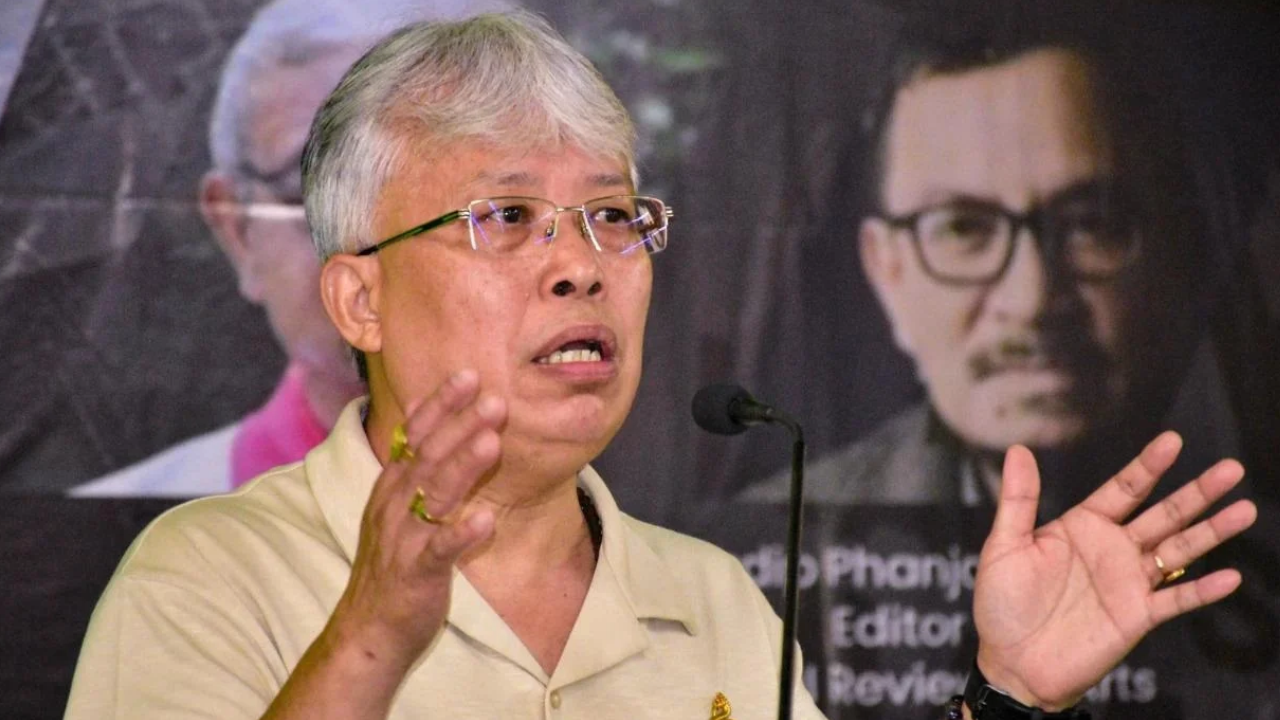
A newly elected parliamentarian from the northeastern Indian state of Manipur has strongly condemned his recent removal from a teaching position at Jawaharlal Nehru University, characterizing the administrative action as a targeted political vendetta.
The academic institution dismissed the lawmaker from his faculty post following disciplinary proceedings. The decision has drawn considerable attention across the country, given his dual role as both an active university educator and a newly elected member of the national legislature.
In public statements regarding the termination, the affected politician rejected the validity of the university's findings. He argued that the disciplinary measures and his subsequent dismissal were orchestrated to silence critical voices and amounted to a systemic witch hunt against dissenting academics.
Jawaharlal Nehru University, located in New Delhi, has a long history of political activism and robust public debate among its student and faculty bodies. The institution frequently finds itself at the center of national discussions concerning academic freedom, institutional governance, and the intersection of politics and higher education.
University administrators maintain that internal disciplinary procedures are conducted in accordance with established rules and university statutes. Representatives for the institution have not publicly detailed the specific charges or the exact findings that led to the termination, citing standard confidentiality protocols regarding employee matters.
The dismissal comes at a time of heightened political sensitivity, particularly concerning issues originating from Manipur. The northeastern state has experienced significant internal unrest and communal challenges over recent years, making any political figure or intellectual from the region a subject of intense public scrutiny.
Supporters of the parliamentarian have expressed solidarity, viewing his removal as an attack on intellectual independence and freedom of expression within Indian universities. Conversely, critics argue that academic institutions must maintain strict neutrality and that faculty members engaging in political careers are subject to the same institutional guidelines as any other employee.
The controversy is expected to spark further debate in academic and political circles regarding the rights and responsibilities of educators who transition into elected office. Legal avenues and further administrative appeals by the affected parliamentarian are anticipated as the dispute moves forward.
Reporting based on coverage first published by The Times of India. Read the original report at The Times of India.