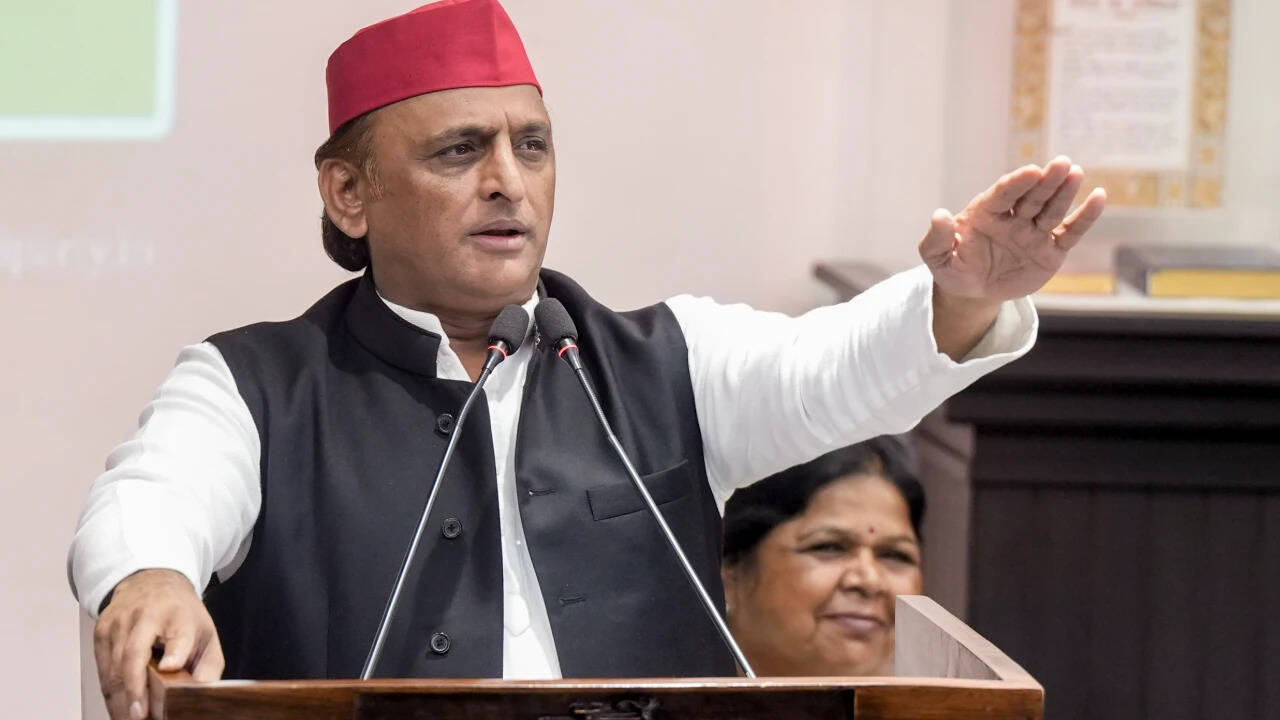
As political preparations accelerate across northern India, regional party leadership in Uttar Pradesh is shaping its strategy for upcoming legislative contests. Akhilesh Yadav, head of the Samajwadi Party, has recently emphasized a broader objective focused on overall electoral success rather than strict numerical targets for individual constituencies. This positioning arrives amid ongoing discussions regarding seat-sharing arrangements among potential allies within the national opposition bloc.
The messaging is widely interpreted as a signal to major coalition partners, particularly the Indian National Congress, regarding how candidate allocations should be negotiated. By prioritizing collective triumph over rigid formulas for specific seats, the Samajwadi Party aims to foster greater cooperation among opposition factions. Observers note that such strategic posturing is crucial in a politically diverse state like Uttar Pradesh, where vote consolidation plays a decisive role in determining the outcome of legislative elections.
Uttar Pradesh remains one of the most influential political arenas in the country, possessing a massive electorate and a high number of parliamentary seats that significantly impact national governance. Past electoral cycles in the region have demonstrated that fragmented opposition votes often benefit the incumbent administration. Consequently, regional leaders are under pressure to forge cohesive partnerships that can mount a formidable challenge at the ballot box.
Discussions among alliance members typically involve complex bargaining over traditional strongholds and winnable constituencies. Leaders of the Samajwadi Party are advocating for a flexible approach that accommodates local strengths while maintaining a unified front against political rivals. This latest commentary suggests a willingness to balance competitive ambitions with the greater necessity of coalition stability.
As the political landscape continues to evolve ahead of the polls, all major parties are ramping up grassroots outreach and organizational streamlining. The ability of opposition parties to resolve internal differences over seat allocations will likely serve as a major indicator of their electoral preparedness. Observers and voters alike are watching closely to see how these strategic alignments develop in the months leading up to the vote.
Reporting based on coverage first published by The Times of India. Read the original report at The Times of India.