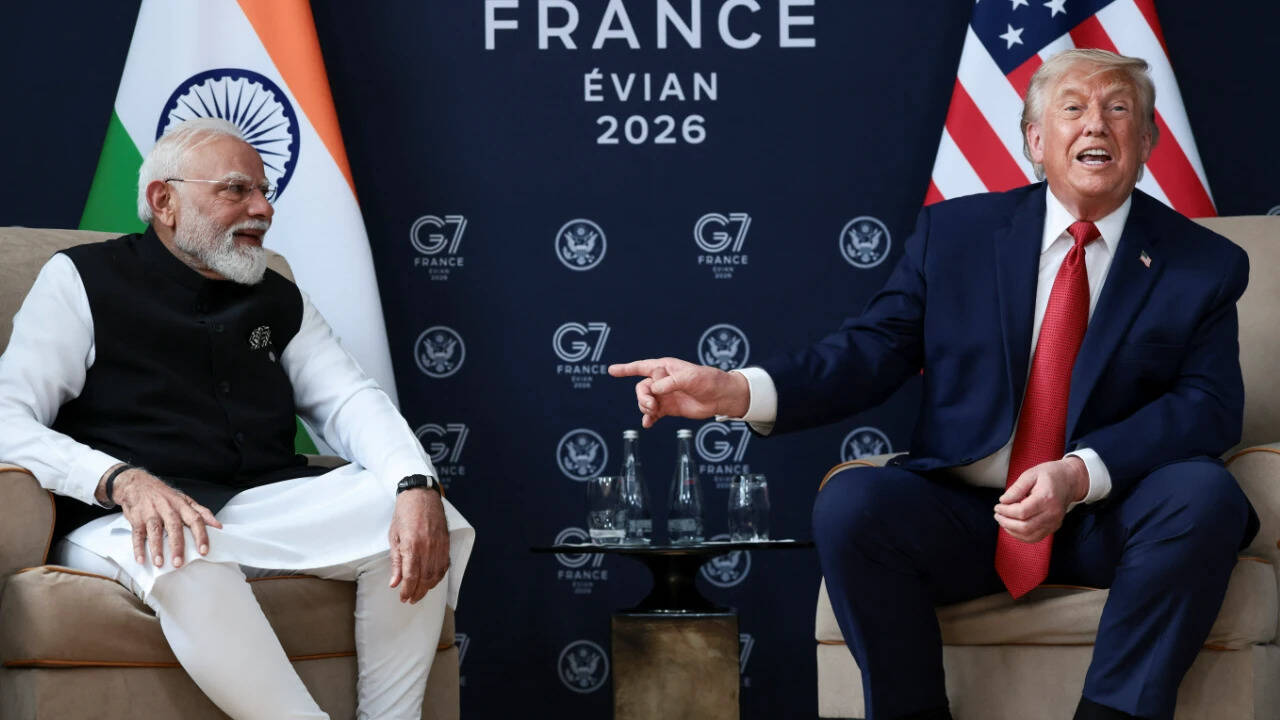
Indian Prime Minister Narendra Modi and United States President Donald Trump held a conversation focused on bilateral relations and strategic cooperation between the two nations. The leaders reviewed ongoing diplomatic efforts and discussed ways to strengthen economic and defense partnerships. During the dialogue, the Indian leader raised specific concerns regarding an American legislative measure concerning Russia.
The primary issue involved United States legal provisions targeting trade and defense relationships with Moscow. New Delhi has maintained a nuanced diplomatic stance on international conflicts, continuing to procure defense hardware and energy resources from traditional partners. The conversation highlighted the complexities that American sanctions and secondary penalties create for nations attempting to balance diverse strategic alliances.
Both leaders acknowledged the broader importance of the bilateral partnership in maintaining stability within the Indo-Pacific region. Trade discussions have historically encountered friction over tariffs and market access, yet defense cooperation has steadily deepened through joint military exercises and intelligence sharing. The diplomatic exchange allowed both administrations to address potential friction points directly while reaffirming their commitment to mutual growth.
Washington has frequently utilized legislative tools to deter global partners from engaging in significant military and intelligence transactions with Russian entities. These measures are designed to exert economic pressure on Moscow following its military actions in Ukraine. However, nations like India, which rely on historical supply chains for military equipment, often navigate difficult diplomatic territory to avoid breaching international regulations while safeguarding domestic security requirements.
The dialogue between the two leaders underscores the continuous need for high-level communication to resolve policy differences. While diplomatic alignments between Washington and New Delhi remain robust, specific national interests occasionally diverge. Both governments are expected to continue bilateral consultations to manage these challenges and explore further avenues for regional cooperation.
Reporting based on coverage first published by The Times of India. Read the original report at The Times of India.