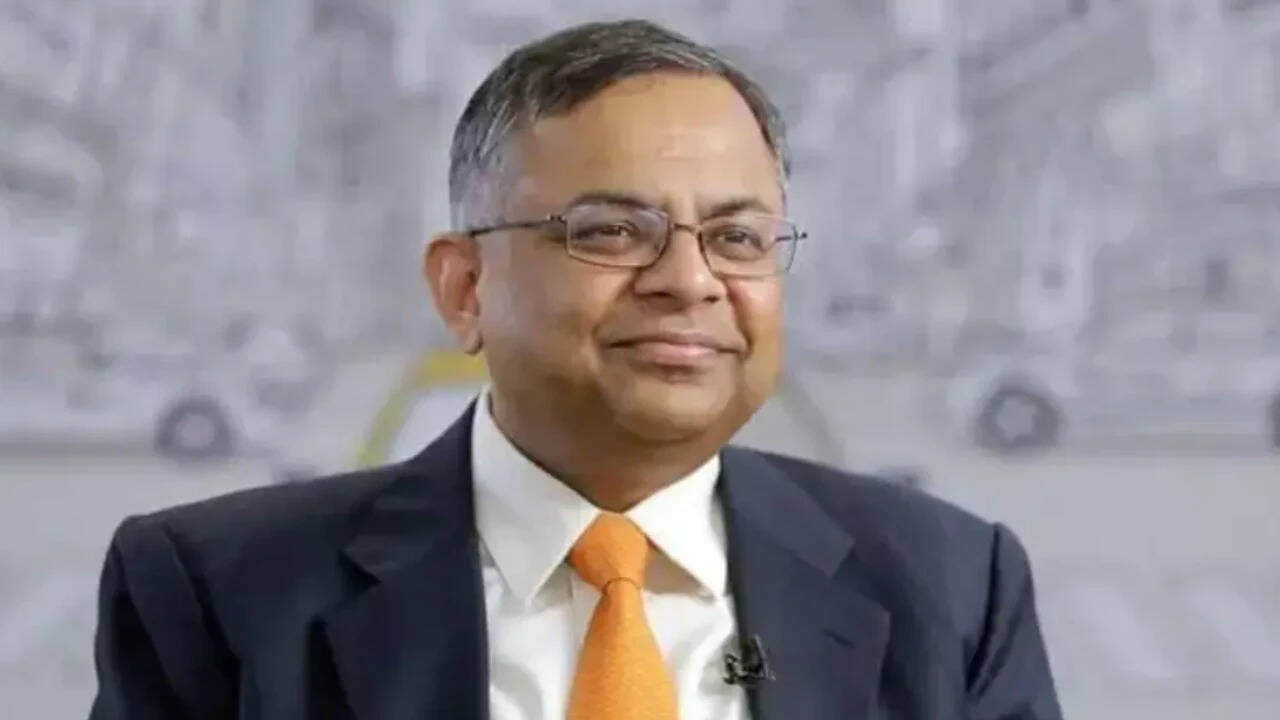
The upcoming annual general meeting of Tata Sons presents a crucial test for Chairman N Chandrasekaran, shifting the focus of corporate governance from the executive boardroom to a direct shareholder vote. While boardroom strategies and leadership decisions usually dictate the day-to-day direction of the sprawling conglomerate, the ultimate approval of key resolutions rests heavily with the majority owner. This gathering will determine the official reappointment and mandate for leadership positions under the watchful eye of the parent entity.
Corporate governance experts note that annual shareholder meetings serve as a formal referendum on executive performance and corporate policy. For a major enterprise like Tata Sons, which manages a diverse portfolio spanning multiple industries, aligning the interests of the primary stakeholders with executive vision is vital for long-term stability. The mechanics of the upcoming resolutions highlight how crucial majority backing remains in steering the conglomerate through evolving economic landscapes.
An important element of the voting dynamics involves specific exemptions governing key institutional shareholders. Reports indicate that certain restrictions do not apply to the Sir Dorabji Tata Trust, ensuring that major philanthropic foundations retain their traditional voting influence during the proceedings. This structural nuance guarantees that foundational stakeholders can actively participate in shaping the leadership outcomes without regulatory hindrance.
As institutional and primary shareholders prepare to cast their ballots, the outcome will likely reinforce the current strategic trajectory championed by the executive leadership. The gathering serves not only as a routine administrative requirement but as a definitive measure of confidence from the powerful entities that control the holding company. Market observers will be watching closely to see how the ownership base votes on the proposed resolutions, as the results will set the governance tone for the conglomerate moving forward.
Reporting based on coverage first published by The Times of India. Read the original report at The Times of India.