Families impacted by severe flooding in the Himalayan nation have begun holding symbolic funeral rites for relatives who remain unaccounted for following recent natural disasters. Relatives in the districts of Nuwakot and Rasuwa gathered to perform traditional cremation ceremonies despite the absence of physical remains. Rescue teams had previously conducted extensive searches across multiple affected zones, but these operations failed to locate the missing individuals.
As weeks passed without recovery, grieving families concluded that hope for finding their loved ones alive, or even recovering their bodies, had vanished. In accordance with local customs, Hindu priests assisted the mourning relatives in preparing alternative rites to help liberate the souls of the departed. Instead of human remains, the families used effigies carefully fashioned from kusha grass to represent the missing persons during the solemn proceedings.
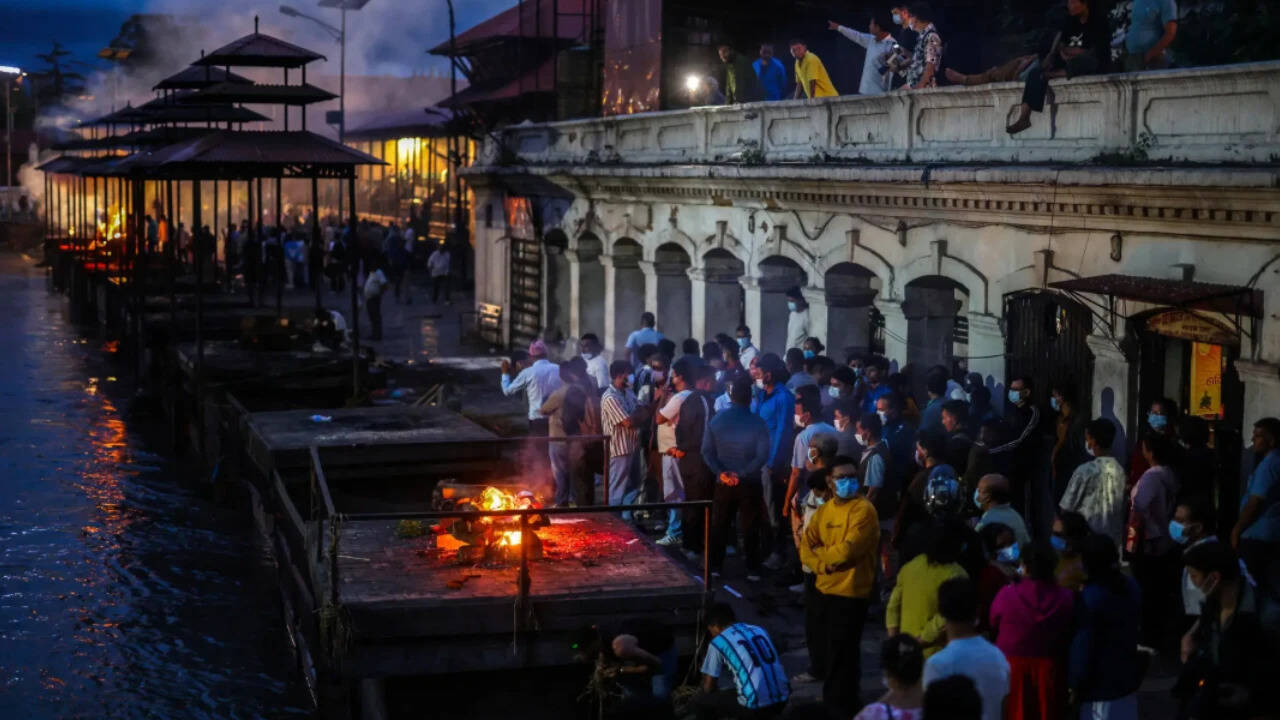
At the Pashupati Aryaghat crematorium located in the capital city of Kathmandu, more than one hundred of these grass effigies were burned on funeral pyres. The mass ritual reflected the profound scale of loss and the emotional toll exacted by the floods on communities throughout the region. The disaster left numerous households unable to achieve closure through conventional burial or cremation practices, prompting the adoption of these ancient symbolic measures.
Monsoon season in the region frequently brings torrential downpours that trigger catastrophic landslides and overflowing rivers, washing away homes and infrastructure in mountainous terrains. Recovery operations in remote areas like Nuwakot and Rasuwa often face severe logistical hurdles due to damaged roads and unstable ground conditions. These challenges frequently leave rescue personnel unable to reach isolated sites or recover victims swept away by rushing waters.
The symbolic cremations offer a vital psychological step for families striving to process their grief in the wake of such widespread devastation. By completing the sacred rites, relatives hope to find a sense of spiritual peace and closure even as search efforts wind down. Religious leaders continue to support affected communities across the country as they navigate the long-term aftermath of the seasonal catastrophe.
Reporting based on coverage first published by The Times of India. Read the original report at The Times of India.