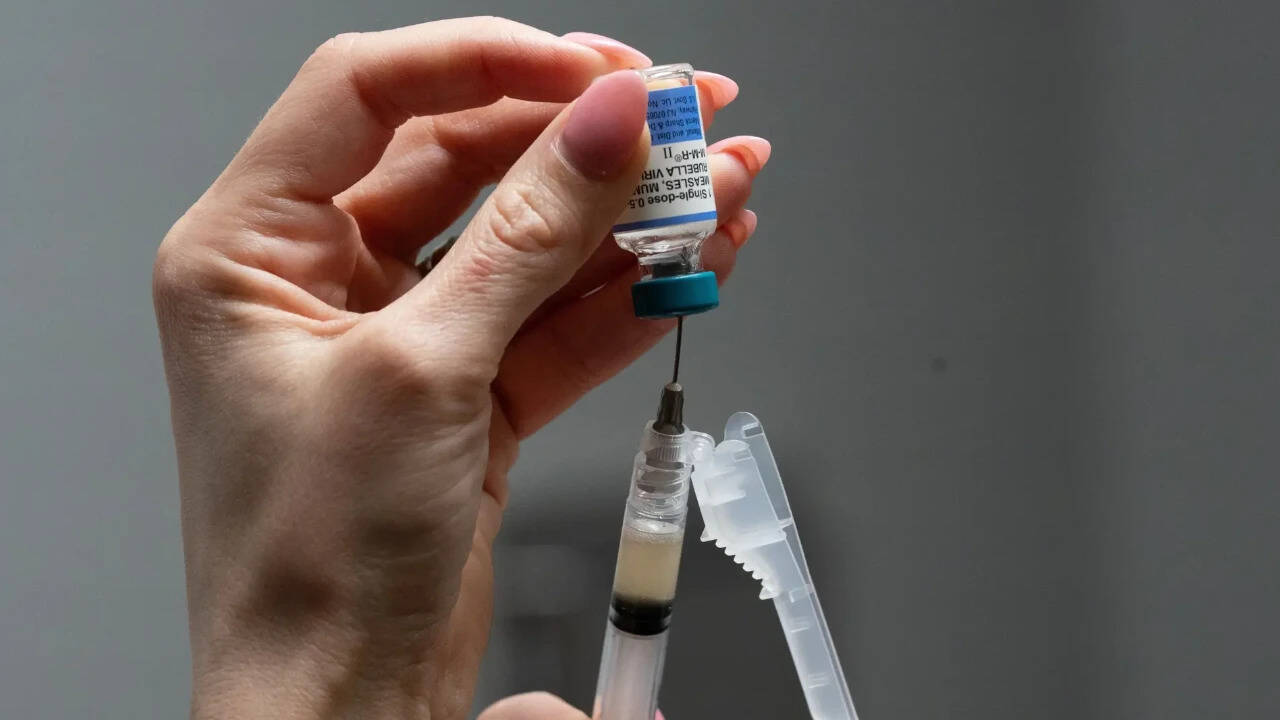
State officials in New York have officially declared a disaster emergency in response to a growing measles outbreak. The declaration comes as public health authorities confirm a total of 108 cases across the affected regions. This urgent measure is designed to grant local and state health agencies additional resources and flexibility to contain the viral spread and protect vulnerable populations.
Measles is an extremely contagious respiratory illness caused by a virus that spreads through the air when an infected person coughs or sneezes. Symptoms typically include a high fever, cough, runny nose, and watery eyes, followed by a characteristic rash that spreads across the body. While many people recover fully, the disease can lead to severe complications such as pneumonia, brain swelling, and even death, particularly in young children and individuals with compromised immune systems.
Public health experts emphasize that vaccination remains the most effective defense against the virus. The measles, mumps, and rubella vaccine provides strong, long-lasting immunity for the vast majority of people who receive the recommended two doses. Authorities are strongly urging residents to verify their immunization status and catch up on missed doses as quickly as possible.
In response to the rising case count, local clinics and health departments are ramping up outreach and vaccine distribution efforts. Officials are coordinating closely with schools, community centers, and healthcare providers to monitor potential exposure sites and identify new infections early. Containment strategies often involve temporary isolation guidelines for infected individuals and targeted vaccination clinics in areas experiencing high transmission rates.
The disaster emergency declaration empowers the state to deploy specialized medical personnel, streamline the acquisition of medical supplies, and implement broader public health directives if necessary. State leaders continue to monitor the situation closely, providing regular updates to the public as new data becomes available. Residents living in impacted areas are advised to follow guidance from local health departments and seek medical attention promptly if they develop symptoms associated with the illness.
Reporting based on coverage first published by The Times of India. Read the original report at The Times of India.