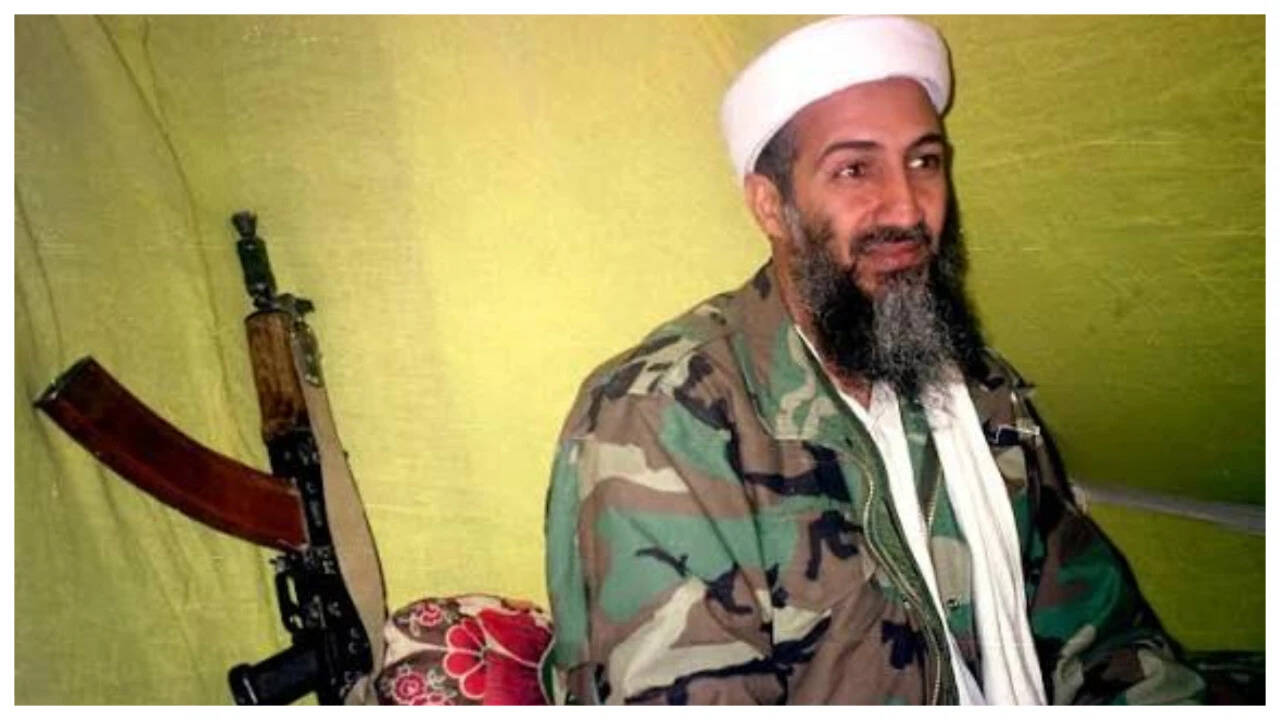
Newly uncovered historical details reveal that Al-Qaeda leader Osama bin Laden orchestrated the assassination of a prominent Afghan resistance commander just two days prior to the September 11 terrorist attacks in the United States. Ahmad Shah Massoud, a key leader of the Northern Alliance who fought against both the Soviet occupation and the subsequent Taliban regime, was killed in a suicide bombing on September 9, 2001.
Historical records indicate that the assassination was executed by two Arab operatives posing as journalists who carried a concealed explosive device inside a video camera. By eliminating Massoud, bin Laden removed the most formidable military obstacle to the Taliban's consolidation of power across Afghanistan. The timing of the hit, occurring mere hours before the catastrophic airline hijackings in New York and Washington, is viewed by historians as a calculated move to secure Al-Qaeda's sanctuary within Afghanistan before launching the global crisis.
Massoud had long warned Western governments and international organizations about the growing threat posed by religious extremist networks operating within Afghan borders. As the leader of the United Islamic Front for the Salvation of Afghanistan, commonly known as the Northern Alliance, he commanded the primary military opposition holding out against the fundamentalist government. His death dealt a severe blow to the anti-Taliban resistance at a critical juncture in modern regional history.
Following the September 11 attacks and the subsequent United States-led military intervention in Afghanistan, the Northern Alliance played an instrumental role on the ground alongside international forces. Massoud's legacy has since been officially recognized within Afghanistan, where he is remembered as a national hero for his resistance against foreign extremists and domestic tyranny. The newly highlighted timeline underscores the depth of coordination between Al-Qaeda and its hosts within the Taliban leadership during the weeks leading up to the 2001 atrocities.
Intelligence analysts note that removing Massoud prevented the Northern Alliance from presenting a unified, internationally backed counterweight immediately after the American military response began. The revelation adds further context to the complex web of alliances and security failures that preceded the deadliest terrorist attack on American soil. Investigations into the planning of the 2001 attacks continue to yield insights into how Al-Qaeda sought to eliminate key adversaries and secure its operational base prior to striking the West.
Reporting based on coverage first published by The Times of India. Read the original report at The Times of India.