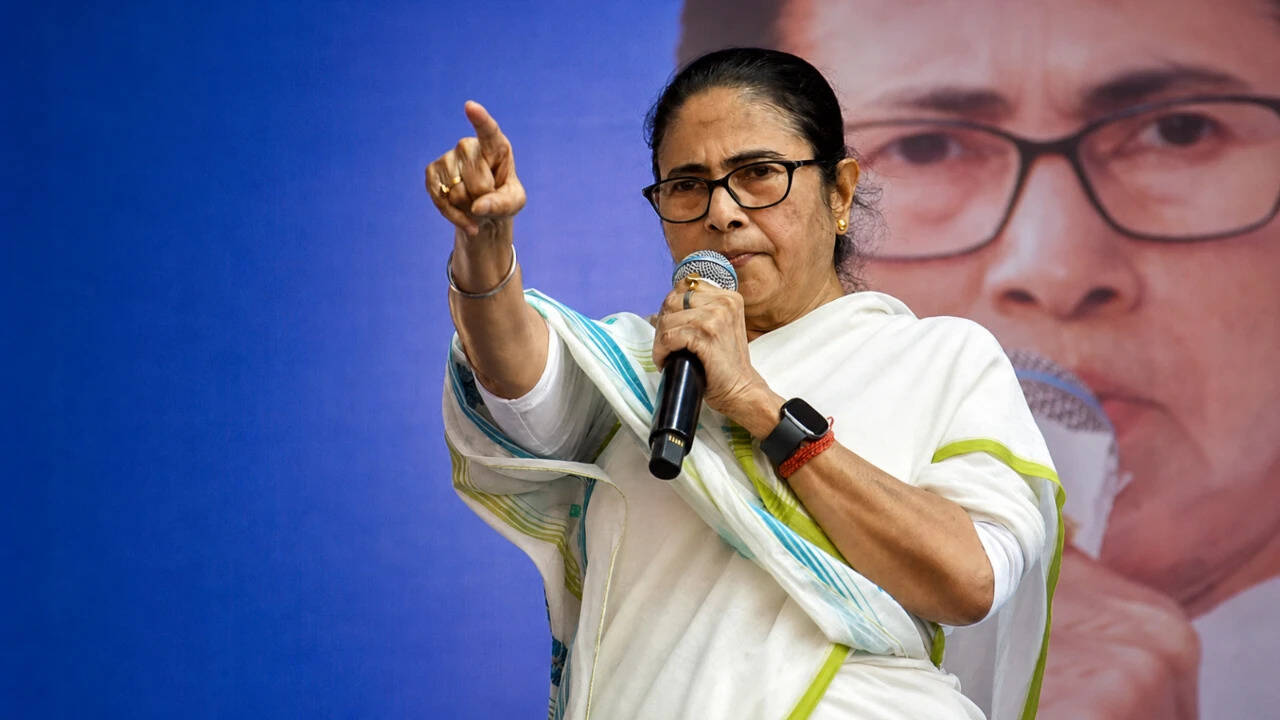
A significant political development has emerged within the Trinamool Congress as party leadership navigates internal friction regarding organizational control and upcoming electoral positioning. Mamata Banerjee, the prominent leader of the regional party, has formally submitted a list of three preferred alternative names and corresponding election symbols to the national election regulatory authority. This move highlights ongoing strategic maneuvering within the organization as factions attempt to secure their political standing and administrative influence ahead of future polls.
The submission to the Election Commission of India reflects an internal realignment and potential contingency planning amid competing factions within the party structure. While the Trinamool Congress remains a dominant political force in West Bengal, recent months have witnessed internal discussions over leadership direction and authority. By putting forward alternative designations and symbols, the leadership is taking preemptive steps to ensure stability and organizational continuity should internal disagreements escalate further.
Political analysts note that internal power struggles within major regional parties in India often surface during periods of transition or policy reassessment. The TMC has traditionally maintained a centralized command structure centered around Banerjee, but evolving local dynamics have created space for differing factions to voice their aspirations. The formal registration of alternate identifiers is a standard administrative procedure for political entities seeking legal protections and options during electoral disputes, though it frequently signals deeper internal negotiations.
The Election Commission will now review the submitted names and symbols in accordance with established regulatory frameworks and statutory guidelines. Approval of these alternatives could provide the faction aligned with Banerjee a distinct legal and strategic advantage in maintaining continuity of the party's platform and voter base. Meanwhile, regional observers and rival political parties are closely monitoring the situation to gauge the extent of the internal friction and its potential impact on governance in West Bengal.
As the situation develops, party insiders and regional coordinators are working to manage public perceptions while addressing the underlying concerns of various factions. The ability of the leadership to reconcile competing interests within the organization will likely determine the party's cohesiveness and electoral readiness in the coming cycle. Further announcements from the election oversight body regarding the approval of the proposed names and symbols are expected in the near future.
Reporting based on coverage first published by The Times of India. Read the original report at The Times of India.