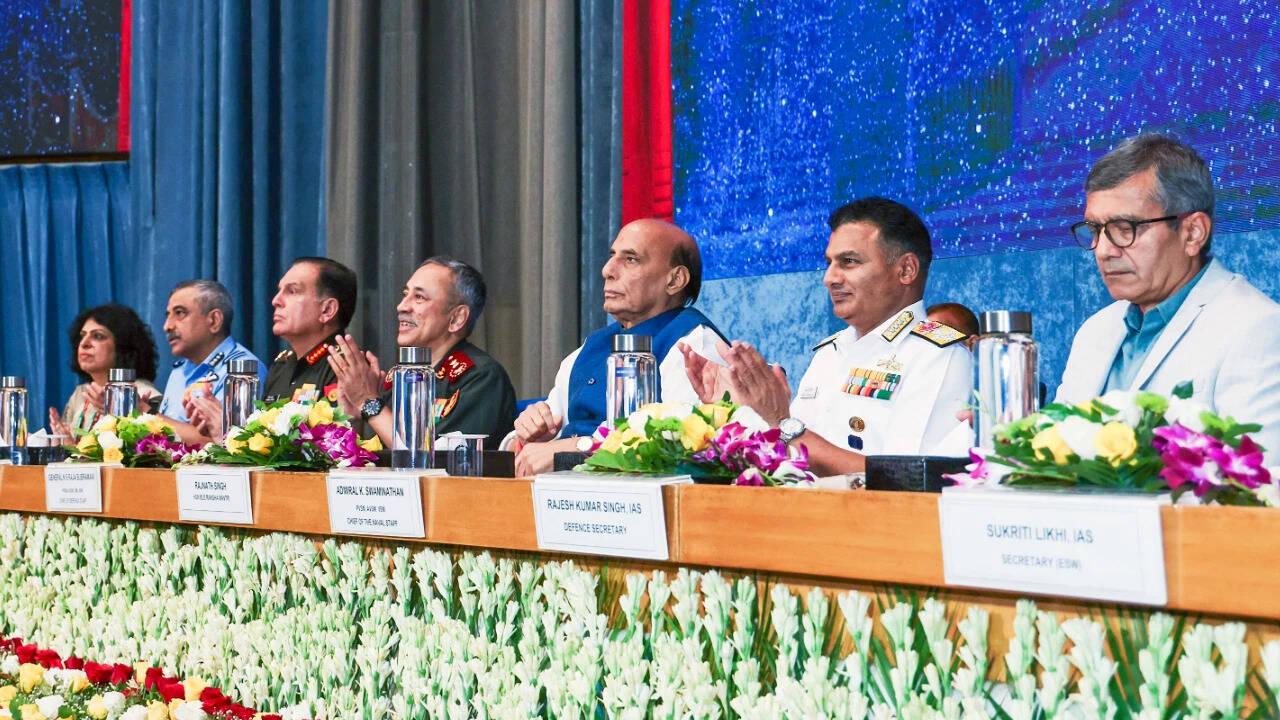
India's defense leadership has underscored the necessity of combining the financial structures of the country's three military branches to achieve greater efficiency. During a high-level review meeting, Defense Minister Rajnath Singh emphasized that a unified fiscal framework is vital for the modernization of the armed forces. He noted that streamlining budgets across the army, navy, and air force would eliminate redundancy and ensure optimal utilization of national resources.
In addition to financial unification, the defense minister placed strong emphasis on the comprehensive digitization of administrative and economic processes within the military establishment. Transitioning to advanced digital platforms is expected to enhance transparency, accelerate decision-making, and improve tracking of capital acquisition projects. Officials believe that digital integration will foster smoother collaboration among the services during joint operations and logistical planning.
The push for fiscal synergy aligns with India's broader defense reforms, which have increasingly focused on jointness and theater commands. Historically, each branch managed its procurement, maintenance, and budgetary needs independently, leading to occasional duplication of effort. By harmonizing these monetary mechanisms, the Ministry of Defense aims to create a more agile and cost-effective military apparatus capable of meeting modern security challenges.
The conference brought together top military commanders, financial advisors, and senior civilian bureaucrats to map out a roadmap for implementation. Participants reviewed ongoing digital initiatives and discussed potential bottlenecks in merging accounting and auditing systems across the different commands. The consensus emerging from the dialogue highlights a shared commitment to structural transformation within the defense sector.
As the government moves forward with these administrative changes, further guidelines are expected to be issued to standardise financial protocols across all formations. The ultimate goal remains the creation of an integrated defense posture that maximizes operational readiness while maintaining strict fiscal discipline. Observers view this latest directive as a significant step toward a leaner and more technologically advanced military infrastructure.
Reporting based on coverage first published by The Times of India. Read the original report at The Times of India.