Russia has officially endorsed India and Brazil in their bids for permanent seats on the United Nations Security Council while simultaneously dismissing the candidacy ambitions of Germany and Japan. The position was articulated during the recent United Nations General Assembly meetings by the nation's top diplomat.
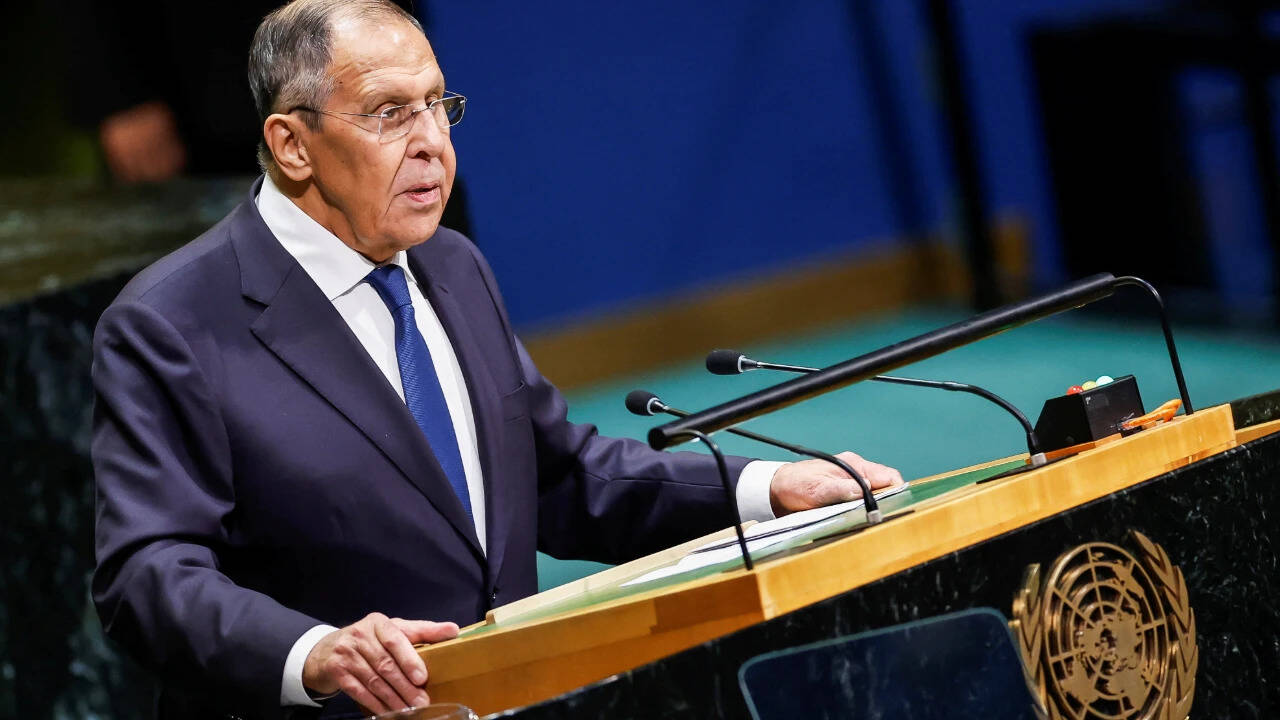
Russian Foreign Minister Sergei Lavrov addressed the assembly to reiterate Moscow's backing for the two developing nations. He characterized both countries as vital international actors with legitimate weight on the global stage. According to his statements, adding New Delhi and Brasilia to the council's highest tier would inject much-needed representation from the Global South into an outdated governance structure.
At the same time, the senior official drew a hard line against expanding permanent council membership to include Western-aligned industrial powers. He singled out Berlin and Tokyo, arguing that their inclusion would fail to diversify the council's perspectives. In his view, adding these nations would merely duplicate the viewpoints and policy approaches already heavily represented by existing Western members.
The rejection of the German and Japanese bids was explicitly tied to ongoing geopolitical tensions involving Western foreign policy. The Russian diplomat asserted that Western military interventions, particularly regarding the conflict in Ukraine, violated fundamental principles enshrined in the United Nations Charter. He maintained that nations actively supporting these actions lacked the moral standing to demand elevated leadership roles within the primary international body responsible for maintaining global peace and security.
The United Nations Security Council currently features five permanent members with veto power: the United States, the United Kingdom, France, China, and Russia. This configuration has remained unchanged since the founding of the organization following the Second World War. Critics and member states have long argued that the current composition fails to reflect modern geopolitical realities and leaves major regions of the world without adequate representation at the highest level of international decision-making.
Efforts to reform the Security Council have faced decades of diplomatic gridlock due to competing national interests and stringent requirements for charter amendments. While numerous nations agree on the need for expansion, deep divisions persist regarding which countries should be admitted and whether new permanent members should hold the power of veto. The latest remarks from Moscow highlight these enduring divisions, signaling that consensus on council reform remains as distant as ever.
Reporting based on coverage first published by The Times of India. Read the original report at The Times of India.