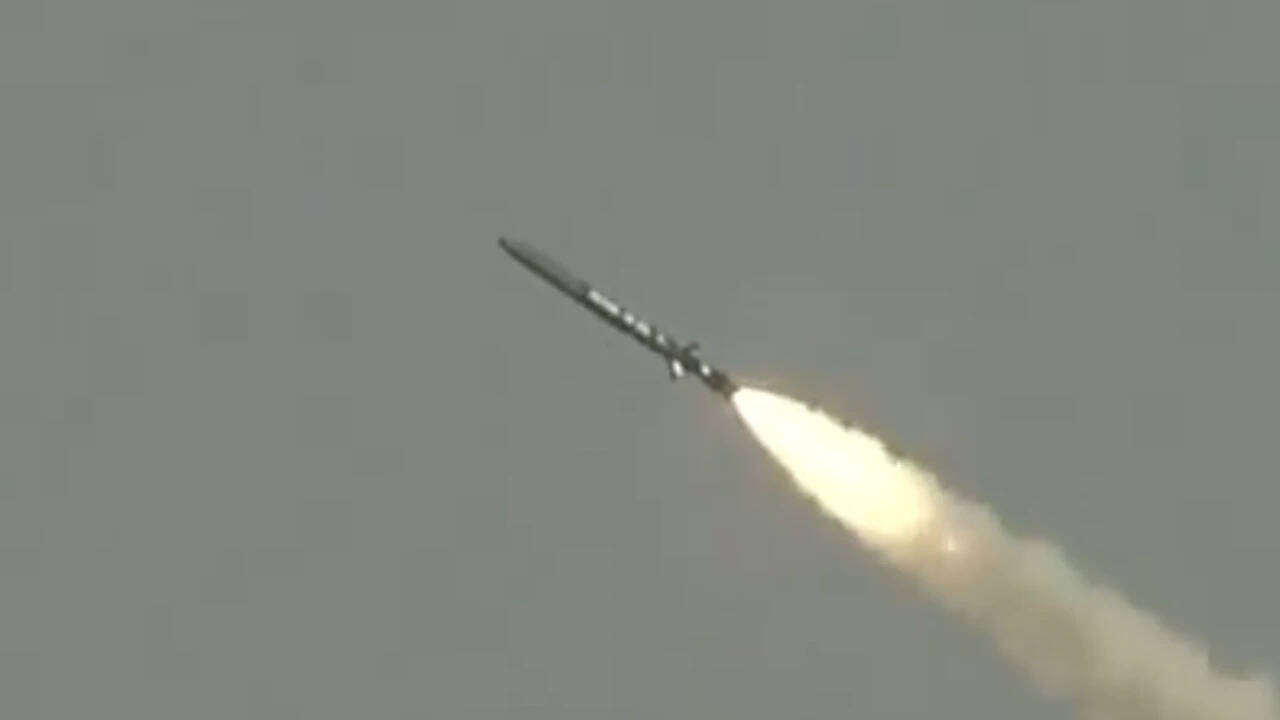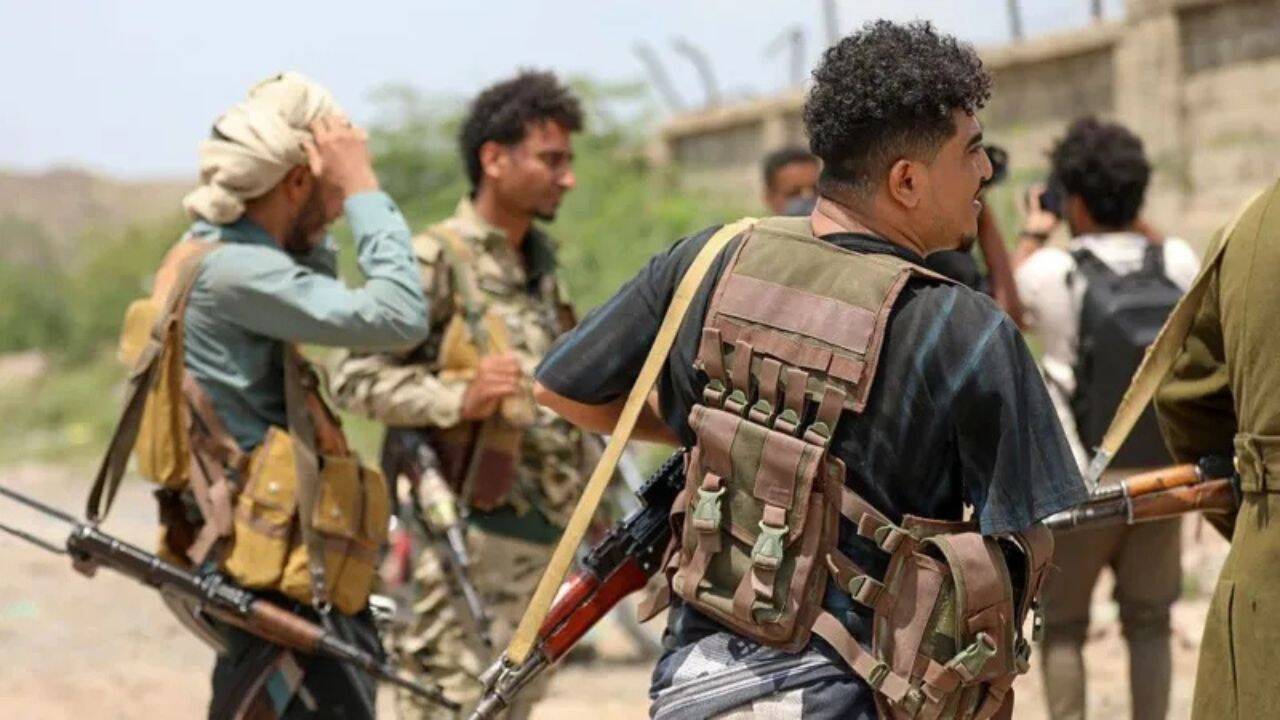
Military forces backed by Saudi Arabia have launched a major offensive in Yemen aimed at pushing back Houthi insurgents from vital coastal areas. The newly initiated campaign, designated as Operation Yemen Dawn, relies heavily on substantial air support from the region. Reports indicate that a coalition of one hundred fighter jets belonging to the Saudi air force has been deployed to assist ground troops in securing critical territorial gains along the coastline.
The military operation has reportedly resulted in the recapture of several key assets in the region. Among the claimed territorial advancements are the strategic Mokha district and the Dhubab airfield, both of which hold significant value for maritime navigation and regional trade. Control over these coastal locations is vital for overseeing traffic moving through the important Red Sea shipping lanes, which have remained a focal point of the ongoing conflict.
Independent verification of these battlefield claims has not yet been established. The fast-moving nature of the conflict and restricted access to the combat zones make it difficult for outside observers to confirm the current status of the contested territory. Both sides of the conflict have presented sharply contrasting accounts of the situation on the ground.
In contrast to the narrative presented by the coalition, the Houthi movement has strongly disputed reports of any territorial losses. Insurgent representatives maintained that their defensive positions remain intact and that their forces have initiated retaliatory strikes targeting Saudi military installations. The exchange of fire highlights the persistent volatility of the conflict as combatants continue to vie for dominance over the southwestern coast of the country.
The broader conflict in Yemen has drawn significant international attention due to its severe humanitarian toll and its implications for global shipping routes. The Red Sea region serves as a critical artery for international commerce, connecting the Mediterranean Sea to the Indian Ocean via the Suez Canal. Any prolonged instability in these waters poses potential risks to international supply chains and energy transport.
As the situation develops, regional and international observers are monitoring the military maneuvers closely to gauge their impact on the broader conflict. The persistence of active combat underscores the challenges involved in achieving a lasting resolution to the hostilities. Further updates are expected as more verified information emerges from the disputed coastal sectors.
Reporting based on coverage first published by The Times of India. Read the original report at The Times of India.