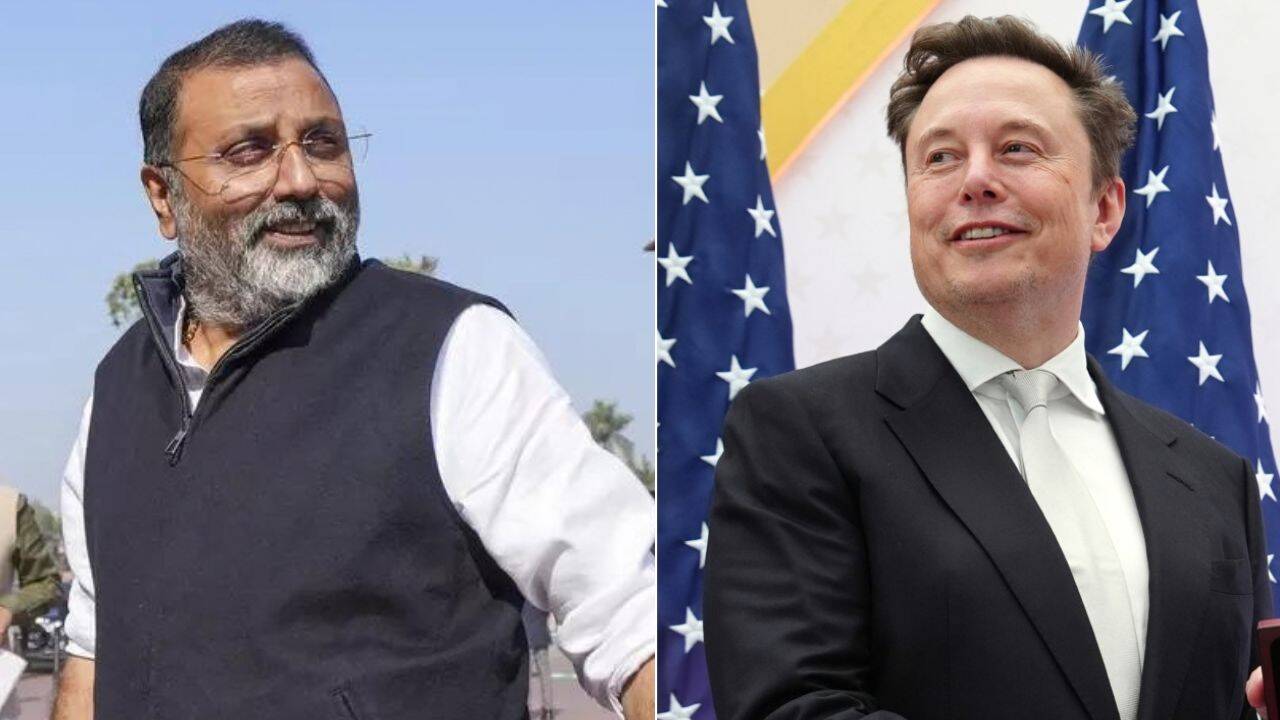
A prominent political figure in India has addressed recent criticism concerning the country's regulatory approach to satellite internet services. Member of Parliament Nishikant Dubey issued a public response following remarks attributed to billionaire entrepreneur Elon Musk regarding the deployment of Starlink in the South Asian market.
The exchange highlights ongoing discussions between major global technology providers and national governments over telecommunications licensing and security protocols. India represents one of the world's most lucrative digital markets, drawing significant interest from international satellite communication providers aiming to expand broadband connectivity to remote and underserved regions.
Mr Dubey stated that allowing unfiltered or unmonitored satellite networks to operate freely could compromise national security frameworks. He emphasized that domestic intelligence and law enforcement agencies require strict oversight mechanisms to monitor communications effectively and prevent potential illicit activities. According to his perspective, safeguarding national sovereignty and maintaining public safety must take precedence over rapid commercial deployment.
The debate centers on how global satellite constellations should integrate with existing domestic telecommunications laws. Regulatory authorities in India have consistently maintained that all foreign communication service providers must comply with local security standards, data localization rules, and lawful interception requirements. These stipulations are designed to ensure that state authorities retain the ability to track threats and maintain order within national borders.
Elon Musk's enterprise has been actively seeking regulatory clearance to launch its high-speed internet service in various developing markets, including India. However, negotiations have encountered hurdles as policymakers evaluate the implications of decentralized, space-based networks that bypass traditional ground infrastructure. Industry observers note that balancing the demand for universal digital access with stringent security mandates remains a complex challenge for regulators worldwide.
As discussions continue, policymakers and industry stakeholders are expected to negotiate terms that satisfy both commercial expansion goals and state security prerequisites. The resolution of this issue could set a significant precedent for how other nations regulate emerging satellite broadband technologies in an increasingly interconnected global landscape.
Reporting based on coverage first published by The Times of India. Read the original report at The Times of India.