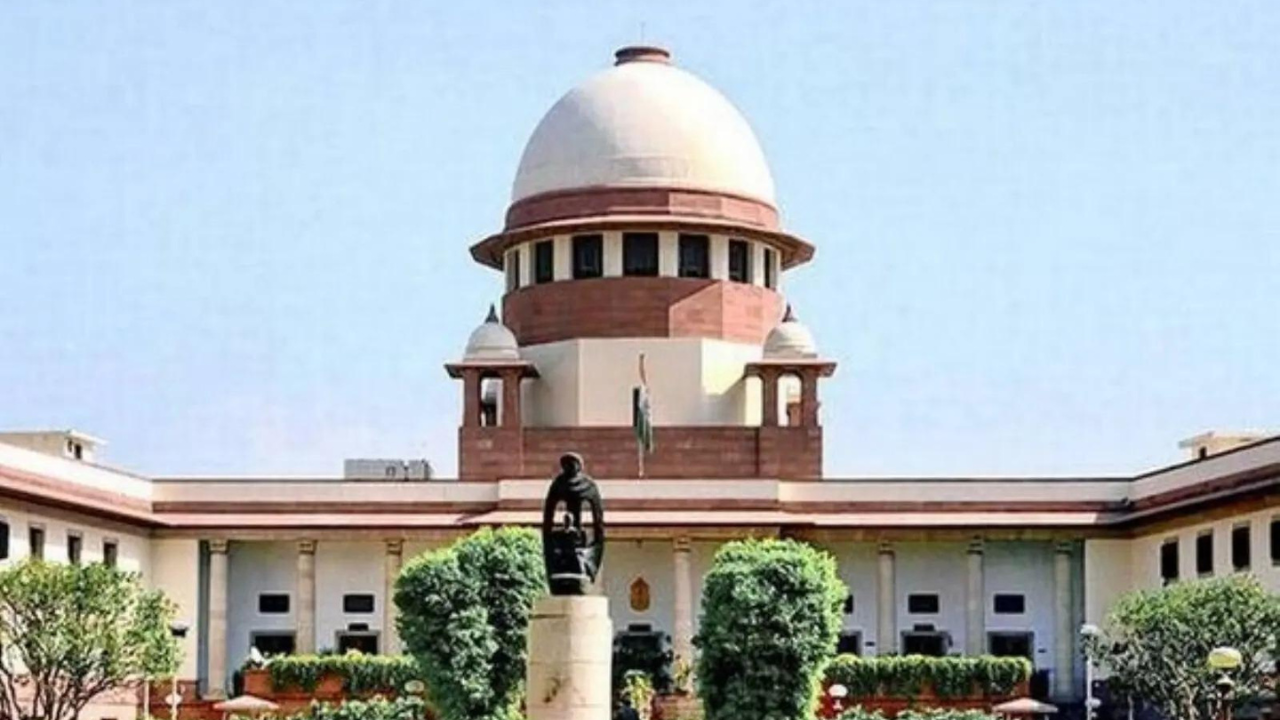
An escalation has occurred within the Indian judiciary as a sitting judge of the Supreme Court reportedly dispatched a fourth letter to the Chief Justice of India. The communication centers on persistent concerns regarding the conduct of a judge serving on the Rajasthan High Court. This latest correspondence marks a deepening institutional friction over accountability and administrative oversight within the higher judiciary.
While the specific contents of the latest communication have not been publicly detailed, the sequence of multiple letters highlights a sustained effort to bring administrative and professional issues to the attention of the nation's top judicial authority. Internal complaints of this nature typically address matters related to judicial performance, case management, or administrative decisions. The Chief Justice of India holds the administrative responsibility of overseeing the functioning of high courts and managing internal grievances among the judiciary.
The persistence of the communications underscores the complex mechanisms used within the Indian legal system to address internal disputes and maintain standards of judicial conduct. Under constitutional frameworks, high court judges operate with a high degree of independence, making disciplinary actions or administrative transfers delicate matters that require careful deliberation at the apex court level. The handling of these concerns remains strictly within the purview of the internal leadership of the judiciary.
As the situation unfolds, legal observers and practitioners are watching closely to see how the leadership of the Supreme Court chooses to address the grievances raised in the series of letters. Internal resolutions of this nature often involve confidential inquiries or administrative adjustments rather than public disclosures, aimed at preserving the institutional integrity and public trust of the judicial system.
Reporting based on coverage first published by The Times of India. Read the original report at The Times of India.